Thursday, May 28, 2026 |Navi Mumbai
--:-- | --°C | AQI --
If it's not on Unbox Daily HQ, it's not a Launch. Every product, policy and brand launch in India. One hub. What's new?
The government promises direct market access for rural women entrepreneurs, but strict packaging rules and limited van routes mean only structured groups will profit.
The Takeaway
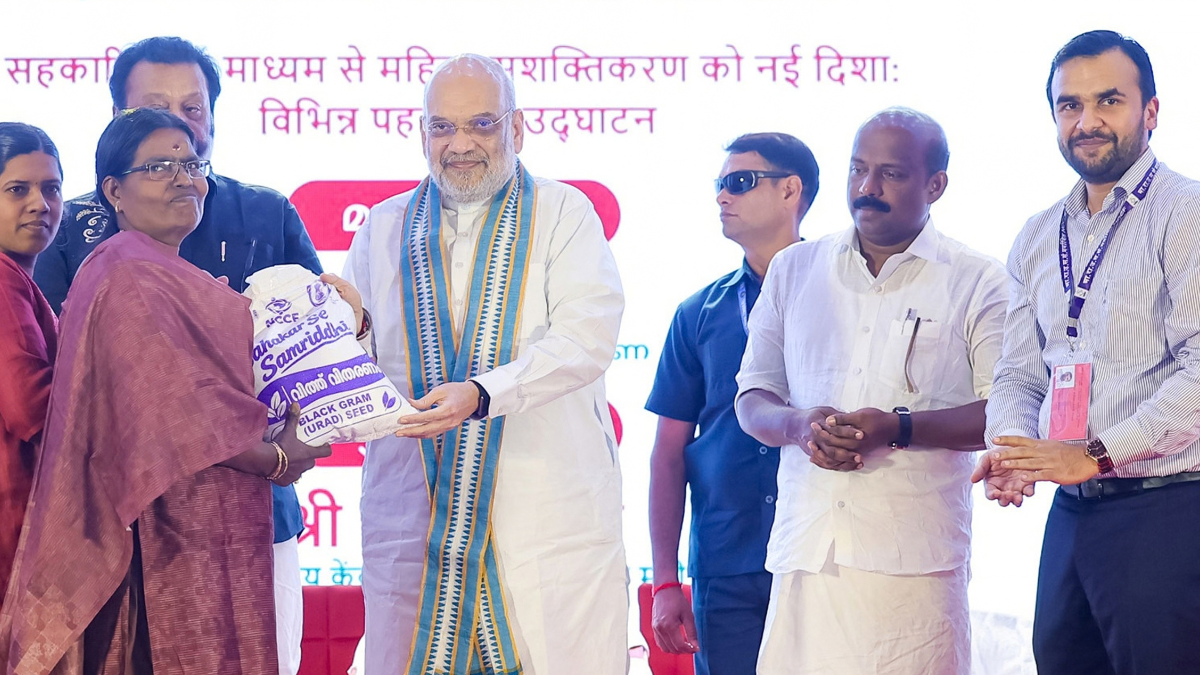
Press Information Bureau records that the Union Ministry of Cooperation introduced several women empowerment projects at Pavithram Convention Centre in Kollam, Kerala. The central event featured the opening of She-Mart retail shops. The government wants these stores to connect Self-Help Groups (SHGs) directly with daily retail buyers. During the event, mobile distribution vans started selling subsidized kitchen staples across local residential areas. National cooperative bodies also signed formal agreements to link regional fisheries and rural societies into national retail channels.
The central claim behind this policy focus rests on supply chain integration. Under the plan, institutions like NAFED, NCCF, and Kendriya Bhandar back rural women enterprises. They handle procurement, processing, and packaging while offering retail shelf space alongside national Bharat Brand products. Officials highlight rising female labor participation rates and point to 3 crore women cataloged as Lakhpati Didis, aiming to double that figure to 6 crore by 2029. Along with retail counters, the initiative distributed pulse seed kits to women farmers and awarded student scholarships to registered cooperative members.
Publicity materials present this as an immediate boost for every rural woman, yet the operational fine print tells a quieter story. A self-help group cannot simply bring homemade preserves or handicrafts to a She-Mart counter. Products must satisfy Food Safety and Standards Authority of India (FSSAI) norms, standardized barcoding, and uniform packaging. Rural artisans lacking capital for testing or industrial packaging stay outside this retail loop. Meanwhile, mobile vans selling onions at 35 rupees per kilogram impose strict household purchasing caps to stop local traders from buying stock. These vans operate mainly along primary highways and town centers, rarely entering remote interior villages. Furthermore, the government counts any household earning 10,000 rupees a month as a Lakhpati Didi based on self-reported survey estimates. That metric represents a low survey threshold rather than a guaranteed cash transfer. Similarly, the cited jump in female labor force participation from 23 to 40 percent relies on survey data where a large share of workers are recorded as unpaid family helpers rather than salaried employees. Finally, NAFED-Kalyan scholarships require parents to be active shareholders in a registered Farmer Producer Organization, excluding landless agricultural laborers.
Key figures from the She-Mart and cooperative launch
| Metric | Official Figure | Operational Scope |
| Planned She-Mart Outlets | 300+ stores | Kerala, Tamil Nadu, Karnataka |
| Subsidized Onion Price | 35 rupees / kg | NCCF and NAFED mobile vans |
| NAFED Scholarship Reach | ~2,000 families | Restricted to registered shareholders |
| Target Lakhpati Didis | 6 crore by 2029 | Survey-calculated household threshold |
This strategy mirrors previous subsidized commodity drives like the national Bharat Dal and Bharat Atta rollouts. Those earlier supply lines proved effective at lowering market prices in major cities during inflation spikes. However, they faced heavy logistical bottlenecks in rural distribution. Kerala already runs the established Kudumbashree network, which gives women entrepreneurs direct community market access. She-Mart attempts to build a parallel central channel. Similar cooperative drives, such as White Revolution 2.0 where national milk production is set to triple over ten years, demonstrate that central processing rules favor large cooperatives over informal family producers.
ⓘ Sponsored: Unbox Daily HQ earns a commission if you buy through these links, at no extra cost to you. Prices shown are subject to change, and the actual price on Amazon at the time of purchase may vary from what is displayed here.
This initiative applies directly to women who belong to registered Farmer Producer Organizations (FPOs) or organized SHGs in southern India. If you run a small home enterprise, you cannot use She-Mart as a drop-in marketplace today. You must first register your unit with an accredited cooperative society. You need FSSAI certification for food products and standardized packaging. Rural consumers looking for cheap onions or flour must track mobile van routes through local municipality notices, as van stops remain limited.
Although NAFED claims a network of 8 lakh associated farmers, its scholarship scheme benefits only about 2,000 families. That means fewer than one out of every 400 registered farmers receives this educational aid.
The Unboxed Truth
Unbox Daily HQ audited the She-Mart announcement to separate retail optics from actual access. This cooperative initiative creates a genuine commercial bridge for structured, compliant women’s collectives that can already meet commercial packaging standards. It does not offer instant market access to informal home workers or isolated rural vendors. Without local processing centers to help small SHGs get certified, the headline promises will stay out of reach for the poorest producers.
Best for: Established women’s cooperative members aged 25 to 50 with certified product lines.
Courtesy: Press Information Bureau
Subsidised onions cost 35 rupees per kilogram through NCCF and NAFED mobile vans. These mobile distribution units operate alongside planned She-Mart retail outlets across Kerala, Tamil Nadu, and Karnataka. The initiative aims to open over 300 stores to improve regional food access.
She-Mart operates as a centralised cooperative retail channel requiring strict FSSAI certification, standardised barcoding, and uniform packaging. Unlike the established Kudumbashree network which offers direct local community market access, She-Mart links producers directly to national cooperative supply chains. This central model favours structured groups over informal home artisans.
She-Mart is worth joining for established women cooperative members aged 25 to 50 who possess certified product lines. The network offers a genuine commercial bridge for structured collectives capable of satisfying commercial packaging standards. It does not benefit informal home workers or small vendors who lack formal certification capital.