Thursday, May 28, 2026 |Navi Mumbai
--:-- | --°C | AQI --
If it's not on Unbox Daily HQ, it's not a Launch. Every product, policy and brand launch in India. One hub. What's new?
Officials pitched a unified certification process for tractors and electric vehicles, but critical compliance deadlines remain entirely absent.
The Takeaway
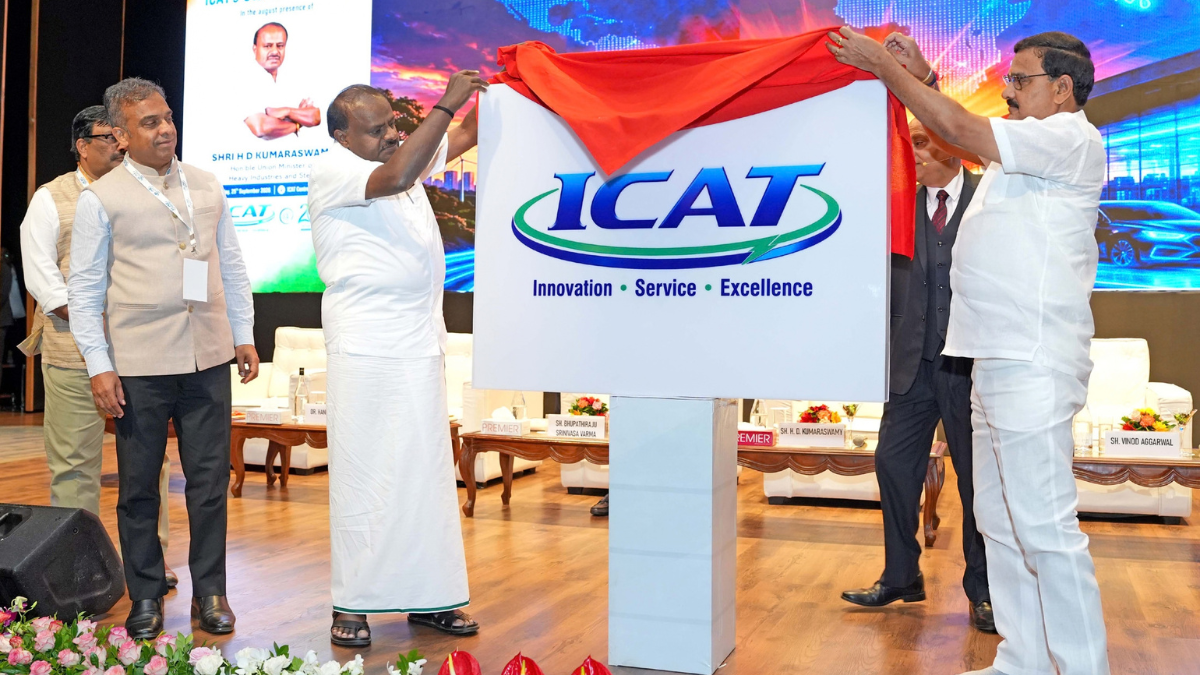
International Centre for Automotive Technology celebrated two decades of operation by gathering senior ministers in Haryana. Government leaders arrived to inaugurate an indigenous farming machinery facility and discuss clean mobility initiatives. Planners clearly want to place electric vehicle policy and agricultural mechanisation under the same regulatory umbrella.
This new engineering hub exists to merge automotive standards with farming equipment. Original equipment manufacturers gain a localised, multi-sectoral node to evaluate their machines. Administrators flanked the launch with a high-level industry dialogue covering the PM e-Drive scheme. Representatives from ministries covering transport, agriculture, and power attended to signal unified coordination.
Every official statement insists this site supports farmers directly. The operational reality reveals a massive gap. Everyday agricultural workers will never interact with this testing campus because they sit downstream of the regulatory process. End users only benefit if strict evaluations weed out substandard tractors without inflating retail showroom prices. The PM e-Drive component proved equally hollow on specifics. Authorities released no firm implementation timelines or subsidy caps during the highly publicised industry dialogue.
Operational guidelines for the new certification site
| Metric | Status |
| Facility Focus | Agricultural machinery |
| Location | Manesar |
| Evaluation Fees | Not disclosed |
| Compliance Standard | Not currently mandated |
The host agency already holds a verified history as a Central Motor Vehicles Rules testing body. Moving into the farm sector attempts to replicate that rigid automotive compliance structure for heavy agricultural equipment.
ⓘ Sponsored: Unbox Daily HQ earns a commission if you buy through these links, at no extra cost to you. Prices shown are subject to change, and the actual price on Amazon at the time of purchase may vary from what is displayed here.
This development genuinely applies only to agricultural machinery builders operating in India. Tractor manufacturers finally have a certified domestic location to validate their hardware against future standards. Buyers of farming equipment don’t face any immediate action items. Consumers simply need to watch whether these upcoming certifications eventually force manufacturers to increase their retail pricing.
Gathering representatives from six different government ministries at a single facility anniversary signals a highly unusual level of bureaucratic coordination.
The Unboxed Truth
Unbox Daily HQ tracks the gap between ceremonial optics and regulatory substance. The International Centre for Automotive Technology holds a proven track record for vehicle compliance. Packaging an industry dialogue as a major PM e-Drive update achieves nothing when fresh financial guidelines fail to materialise. The Agri Machinery Test Facility offers a convenient evaluation site for tractor builders. It delivers absolutely zero value to Indian farmers until testing becomes a mandatory legal requirement for all brands.
Best for: Agricultural equipment manufacturers (Ages 30-55)
Courtesy: Press Information Bureau
Official evaluation fees for the ICAT Agri Machinery Test Facility in Manesar remain undisclosed by the Ministry of Heavy Industries. The new campus provides testing infrastructure for tractor builders, but certification is not currently legally mandatory. Equipment manufacturers must directly consult the Manesar facility for commercial terms and compliance testing schedules.
This facility bridges traditional automotive compliance standards with domestic agricultural machinery testing under a single multi-sectoral hub. It leverages two decades of Central Motor Vehicles Rules certification history established by the host agency in Manesar. Indian equipment manufacturers gain a dedicated local node to validate heavy farm hardware against future national engineering benchmarks.
The ICAT Agri Machinery Test Facility genuinely benefits Indian agricultural machinery manufacturers seeking local certification infrastructure for their hardware. It provides a credible domestic platform to evaluate equipment performance before commercial distribution. The site offers zero direct utility to end consumers until testing standards become legally mandatory for all tractor brands across India.