Thursday, May 28, 2026 |Navi Mumbai
--:-- | --°C | AQI --
If it's not on Unbox Daily HQ, it's not a Launch. Every product, policy and brand launch in India. One hub. What's new?
TRAI introduces the Digital Connectivity Rating Platform to score building network readiness, though builders can simply choose to ignore it.
The Takeaway
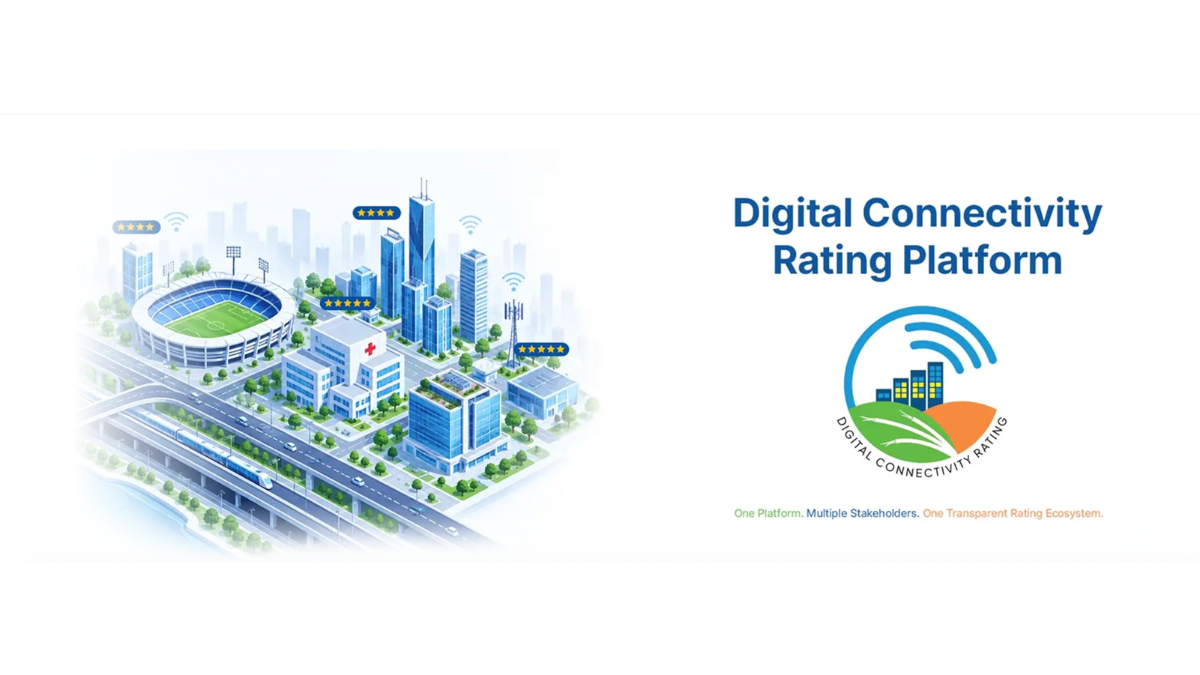
The Digital Connectivity Rating Platform functions as a public verification tool for real estate network readiness. The Telecom Regulatory Authority of India built this system so buyers can scan a QR code to confirm fibre and cellular coverage before signing a lease. Property managers upload documents and pay a registered private agency to conduct the field assessment. These third-party agencies evaluate fibre capability alongside Wi-Fi infrastructure and current mobile network availability.
The official press release presents a major consumer victory, yet the mechanics reveal a premium marketing tool. This certification operates strictly on an opt-in basis. Developers constructing buildings with terrible indoor coverage will just bypass the platform entirely. The framework also issues certificates for under-construction properties based solely on design documents. Securing a high rating today provides zero guarantee of actual internet speeds when residents move in three years later. Evaluators measure infrastructure readiness rather than holding telecom operators accountable for future congestion or relocated towers.
How the Digital Connectivity Rating Platform evaluates properties
| Requirement | Reality |
| Participation | Voluntary opt-in |
| Cost burden | Property managers pay assessment fees |
| Field testing | Third-party private agencies |
| Metric evaluated | Infrastructure readiness instead of actual speeds |
TRAI historically struggled to enforce dropped-call metrics directly on telecom operators. Developers also routinely ignored earlier guidelines recommending in-building solutions. This registry marks a tactical shift toward using market demand as the enforcement mechanism. The regulator wants builders to treat network readiness as a premium amenity similar to green building certifications.
ⓘ Sponsored: Unbox Daily HQ earns a commission if you buy through these links, at no extra cost to you. Prices shown are subject to change, and the actual price on Amazon at the time of purchase may vary from what is displayed here.
This standard targets the dead zones plaguing modern Indian apartment complexes, where thick concrete and energy-efficient glass block cellular signals. However, the assessment fee creates a high financial barrier. Grade-A commercial developers and luxury residential builders possess the exact financial incentive to participate. They need this certificate to attract high-paying corporate tenants. Everyday renters and secondary market home buyers will find absolutely no data for the middle-income properties they actually tour. Furthermore, the newly released mobile application remains entirely closed to the public. You cannot download it to log a complaint about your own apartment building. It exists exclusively for private rating agencies to sync data.
The Unboxed Truth
The team at Unbox Daily HQ views the Digital Connectivity Rating Platform as a clever strategy to outsource enforcement to the free market. The system will absolutely help corporate tenants avoid leasing office space in cellular dead zones. Claiming it empowers the average home buyer is a stretch. The voluntary design guarantees that buildings with poor connectivity remain hidden from public view. We are looking at a premium badge for high-end developments rather than a universal housing standard.
Best for: Commercial real estate buyers and luxury residential investors aged 35 to 60.
Courtesy: TRAI Press Release
The Telecom Regulatory Authority of India provides public access to the Digital Connectivity Rating Platform at dcrp.trai.gov.in. Property managers must pay dynamic assessment fees online to register their residential or commercial properties for evaluation. The framework is currently live and fully operational across India.
This platform leverages voluntary market demand and property valuation as an enforcement mechanism instead of traditional regulatory penalties. Third-party private agencies conduct field assessments to rate fibre capability and cellular readiness. This framework evaluates physical infrastructure design rather than holding mobile operators accountable for future network congestion in India.
The platform is worth using for commercial real estate buyers and luxury residential investors seeking to avoid cellular dead zones. Its voluntary opt-in structure means properties with poor connectivity remain hidden from the database. It functions as a premium verification tool for high-end developments rather than a universal standard for everyday renters in India.