Thursday, May 28, 2026 |Navi Mumbai
--:-- | --°C | AQI --
If it's not on Unbox Daily HQ, it's not a Launch. Every product, policy and brand launch in India. One hub. What's new?
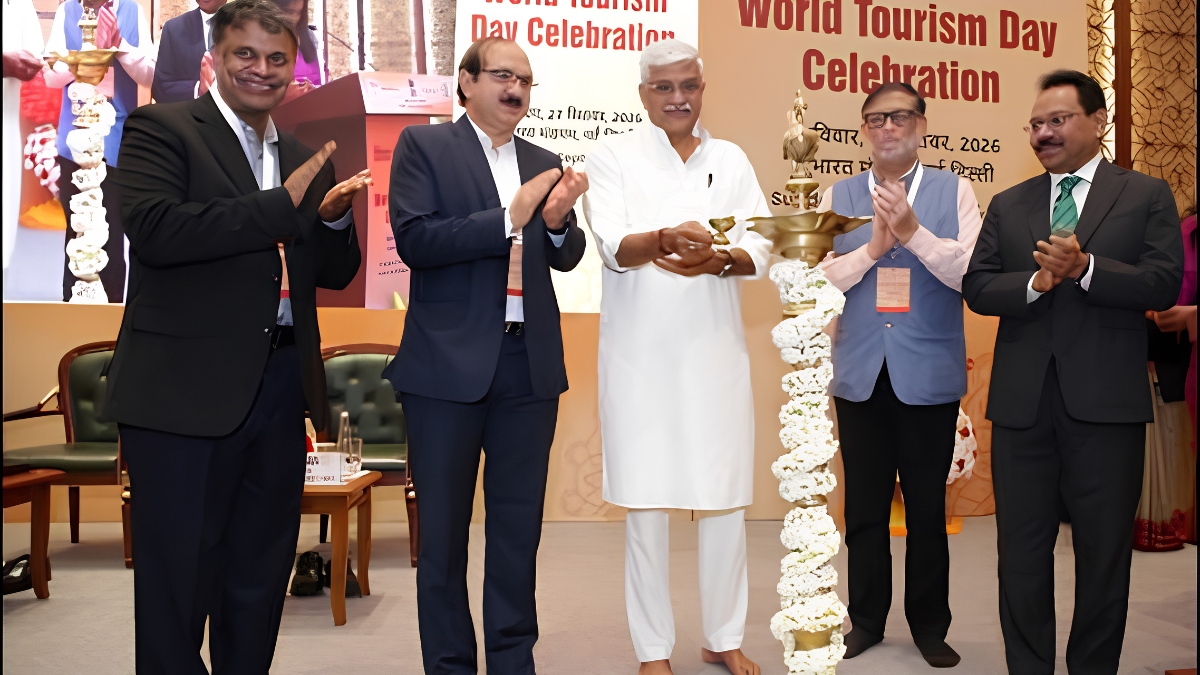
The Ministry of Tourism targets alternative destination growth through the National Digital Tourism Stack and new corporate pacts.
The Takeaway
The Ministry of Tourism recently introduced a dual-pronged strategy aimed at fixing discovery and overcrowding in domestic travel. Officials developed the National Digital Tourism Stack (NDTS) to make local services globally bookable. Simultaneously, the Dekho Apna Desh 2.0 campaign seeks to divert tourists from congested hotspots toward alternative regional destinations.
The shared digital public infrastructure will theoretically allow independent homestays to appear across multiple private aggregator platforms. Government planners want to create a unified system with integrated payments and standardized ratings. They also aim to verify supplier credentials across the network. The immediate goal involves onboarding 23,000 entities over the next two years.
Here is what the primary policy rollout skips. The digital stack is not currently live. Grassroots operators cannot actually use it until the pilot programme begins in early 2027. Furthermore, the alternative destination campaign explicitly excludes truly off-the-grid rural villages. By mandating that selected spots must already have sufficient infrastructure, the scheme bypasses underdeveloped regions in favour of semi-developed secondary towns.
Details of the National Digital Tourism Stack rollout phase
| Component | Stated Goal | Implementation Reality |
| NDTS Launch | Unified booking architecture | Limited pilot starts January 2027 |
| Dekho Apna Desh 2.0 | Alternative destination growth | Requires pre-existing infrastructure |
| Industry Pacts | Corporate promotion support | Zero financial or binding commitments |
Early Open Network for Digital Commerce (ONDC) retail rollouts faced similar struggles when integrating fragmented local vendors exposed massive digital literacy gaps. The original Dekho Apna Desh initiative functioned primarily as a pledge-based promotional campaign. Moving from marketing webinars to actual bookable itineraries requires deep state-level compliance that typically lags central directives.
ⓘ Sponsored: Unbox Daily HQ earns a commission if you buy through these links, at no extra cost to you. Prices shown are subject to change, and the actual price on Amazon at the time of purchase may vary from what is displayed here.
The new strategy directly impacts established mid-tier travel aggregators and tech-enabled homestay hosts in secondary towns. These new frameworks will not immediately help you if you run a rural property without pre-existing road access. The initial rollout phases rigidly prioritize coastal sites and regional pilgrimage hubs. They also target hill stations alongside heritage towns. As we noticed when the official tourism board maps popular streaming locations, government platforms rely heavily on independent travellers finding their own local transport.
None of the five major corporate agreements signed during the launch obligate the private partners to deliver specific commercial results.
The Unboxed Truth
At Unbox Daily HQ, we audit policy claims to track real utility. The National Digital Tourism Stack offers a logical path to organise fragmented local experiences, but its current form remains a roadmap. The success of Dekho Apna Desh 2.0 depends entirely on whether state governments actually build the last-mile infrastructure required to make these alternative destinations viable.
Best for: Tech-savvy homestay hosts and established travel aggregators.
Who is this for: Domestic hospitality operators aged 25 to 50.
Courtesy: Ministry of Tourism
The National Digital Tourism Stack is currently a blueprint and will begin its initial pilot programme in India in January 2027. Full nationwide scaling is scheduled to follow through December 2028. The digital public infrastructure aims to integrate 23,000 travel experiences and local homestays across Indian states.
Dekho Apna Desh 2.0 shifts focus from promotional webinars toward building bookable itineraries for secondary destinations with pre-existing infrastructure. The original initiative functioned primarily as a pledge-based marketing awareness drive. This updated campaign relies on digital public infrastructure to redistribute physical visitor footfall toward lesser-known regional hubs.
The National Digital Tourism Stack is best for tech-savvy homestay hosts and established travel aggregators operating in semi-developed secondary towns. It provides qualified hospitality operators unified visibility across multiple private booking platforms using open network standards. However, rural properties lacking pre-existing road and lodging infrastructure will not benefit from the initial rollout.