Thursday, May 28, 2026 |Navi Mumbai
--:-- | --°C | AQI --
If it's not on Unbox Daily HQ, it's not a Launch. Every product, policy and brand launch in India. One hub. What's new?
The Ayush Bhawan menu replaces standard canteen fare with beetroot cutlets and little millet upma at affordable rates.
The Essentials
The Pulse
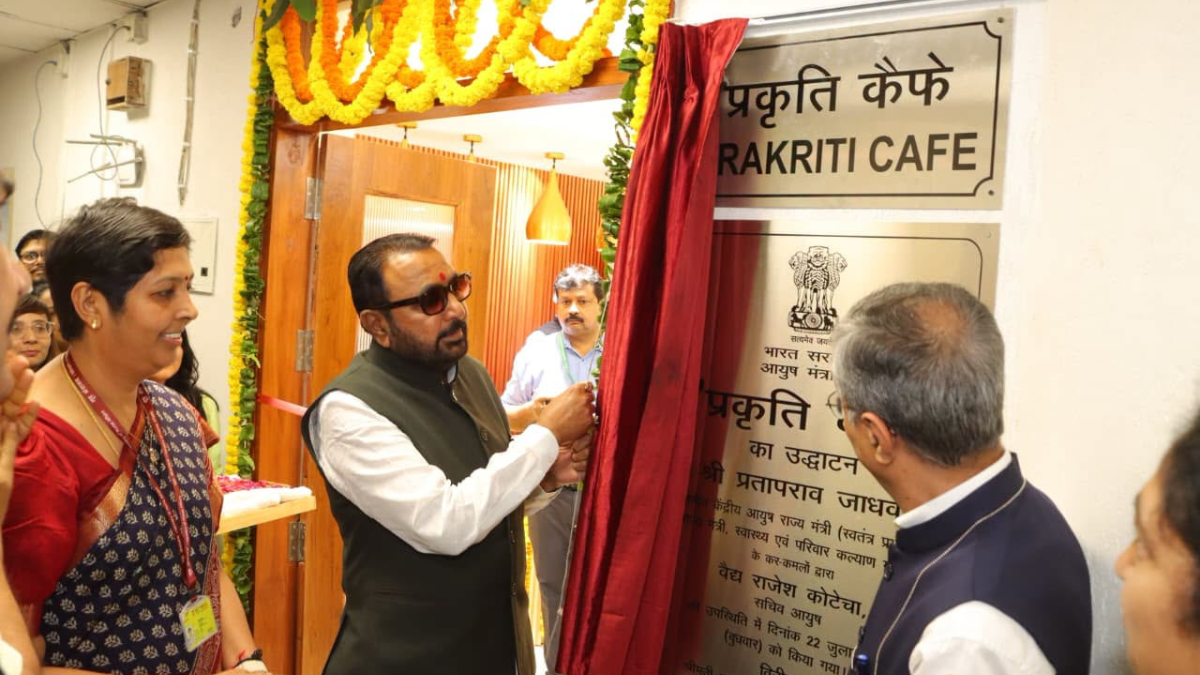
The Ministry of Ayush addresses the growing corporate health crisis directly at the source by opening Prakriti Café at Ayush Bhawan. What is the purpose of the Prakriti Café initiative? The project serves as a physical proof of concept for integrating traditional Indian wellness practices into modern workday routines, aiming to replace the prevalent culture of junk food consumption among working professionals.
Union Minister Shri Prataprao Jadhav framed this project as a shift from reactive healthcare to proactive daily choices. The initiative acknowledges that dietary habits are actively changing for the worse, driving a rise in lifestyle-related diseases among younger demographics. By positioning wholesome food as accessible nourishment, the government attempts to normalise mindful eating outside of clinical or purely domestic settings.
Secretary Vaidya Rajesh Kotecha positioned the space as a community builder, focusing on simple and consistent dietary decisions. This is an active intervention in how institutional food systems operate, stepping away from the standard tea-and-biscuit routine that dominates Indian office environments. The project creates a blueprint that other ministries and private sectors could theoretically replicate to improve workforce wellbeing.
The Breakdown
ⓘ Sponsored: Unbox Daily HQ earns a commission if you buy through these links, at no extra cost to you. Prices shown are subject to change, and the actual price on Amazon at the time of purchase may vary from what is displayed here.
The culinary architecture of Prakriti Café relies entirely on native Indian ingredients and alternative grains. The menu substitutes standard wheat and rice bases with little millet for vegetable upma and standard oats for poha. Snack options avoid deep-frying, focusing instead on steamed and fermented preparations like khandvi and millet dhokla.
For beverages, the cafe entirely bypasses carbonated sodas and artificial energy drinks. Hydration options include fresh coconut water, green tea, and traditional herbal infusions like tulsi-ginger tea. Dessert formulations replace refined sugar completely, utilising jaggery as the primary sweetener for items like makhana kheer. The menu balances fibre-rich root vegetables, seen in the beetroot and oats cutlets, with fresh salads like kosambari to ensure nutritional density in every serving.
The Distinction
The primary differentiator of Prakriti Café is its strict adherence to Ayush Ahaar principles within a standard government workplace setting. Competing institutional canteens typically prioritise high-volume, carbohydrate-heavy comfort foods designed for rapid serving and low cost. This space actively removes processed junk food from the immediate environment, replacing it with functionally nutritious ingredients like little millet and oats. By embedding traditional Indian dietary science directly into the daily workday routine, the project structurally alters how employees approach their midday meals rather than just offering a secondary healthy menu option.
The Snapshot
| Feature | Detail |
| Initiative | Prakriti Café |
| Location | Ayush Bhawan |
| Governing Body | Ministry of Ayush |
| Core Theme | Ayush Ahaar |
| Primary Grains | Little millet, oats |
| Key Snacks | Millet dhokla, khandvi, beetroot cutlet, oats poha |
| Primary Sweetener | Jaggery (for makhana kheer) |
| Beverage Options | Coconut water, tulsi-ginger tea, green tea |
| Pricing Model | Affordable pricing structure |
The Big Picture
Corporate cafeterias in India are undergoing a slow transition, but most government canteens still heavily feature samosas, standard tea, and refined flour products. While private tech campuses in Bengaluru and Gurugram have introduced salad bars and artisanal coffee counters, central government facilities rarely experiment with functional nutrition. By mandating an Ayush Ahaar menu at Ayush Bhawan, the government establishes a definitive standard for institutional catering. This move directly challenges private caterers supplying office buildings to rethink their menus beyond basic profitability and focus on the preventative health of the workforce.
The India Prospective
For Indian office workers dealing with sedentary jobs and rising lifestyle diseases like diabetes, this model proves that traditional nutrition scales effectively. While pricing at Ayush Bhawan remains subsidised or affordable, the menu provides a highly replicable blueprint for HR departments across Mumbai and Bengaluru. Incorporating regional dishes like kosambari and dhokla shows that healthy workplace eating does not require expensive imported ingredients like quinoa, but simply a return to native grains.
The Unboxed Truth
Unbox Daily HQ considers this the most practical institutional health intervention introduced by a government body this year, precisely because it changes the physical environment rather than just issuing dietary guidelines.
For a 34-year-old government employee or corporate manager in Delhi who relies on canteen food for lunch and snacks, avoiding afternoon lethargy is a daily struggle. Standard canteen meals loaded with refined carbohydrates cost very little, making them an easy default. While the exact menu prices at Ayush Bhawan are simply listed as affordable, replacing a ₹40 plate of fried snacks with a similarly priced plate of steamed millet dhokla offers immediate, tangible value in terms of sustained energy and long-term health.
The actual triumph here is the normalisation of Ayush Ahaar principles in a commercial-style setting. By removing the junk food temptation entirely and substituting it with culturally familiar, fibre-rich alternatives like kosambari and little millet upma, the cafe enforces mindful eating by default.
Best for: Institutional administrators and HR leaders who want a proven, native-ingredient blueprint for overhauling toxic workplace food environments
Who Is This For: Perfect for 30 to 55-year-old working professionals in desk-heavy roles who struggle to maintain clean eating habits during office hours
The Checkout
The Source
Ministry of Ayush
The Query
Prakriti Café offers wholesome Ayush-inspired food items at affordable prices at Ayush Bhawan in Delhi. The menu features traditional options like beetroot and oats cutlets, millet dhokla, and little millet vegetable upma. Hydration choices include fresh coconut water and herbal beverages like tulsi-ginger tea.
Prakriti Café strictly follows Ayush Ahaar principles by eliminating processed junk food and refined sugars from its daily menu. Standard institutional canteens rely on carbohydrate-heavy comfort foods, whereas this cafe substitutes traditional grains like little millet and oats into everyday preparations like upma and poha.
Prakriti Café is ideal for desk-bound working professionals aged 30 to 55 who struggle with healthy eating during office hours. Offering affordable traditional meals like steamed millet dhokla over processed snacks, it provides tangible value by reducing afternoon lethargy and supporting long-term preventative health.