Thursday, May 28, 2026 |Navi Mumbai
--:-- | --°C | AQI --
If it's not on Unbox Daily HQ, it's not a Launch. Every product, policy and brand launch in India. One hub. What's new?
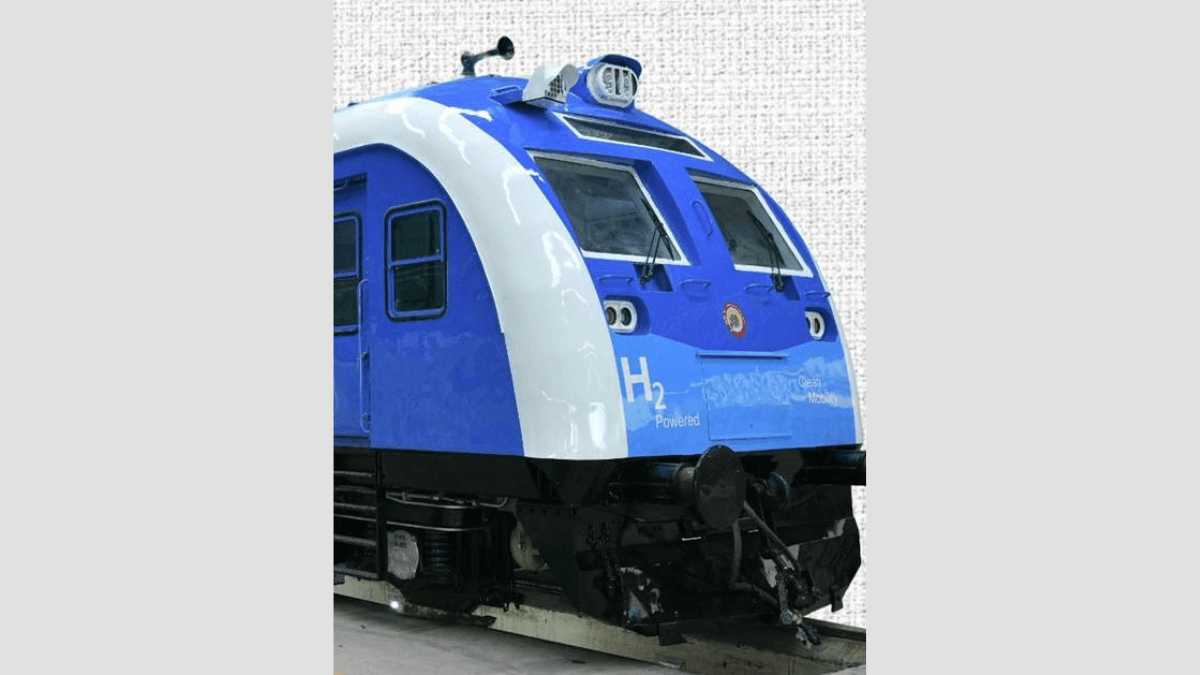
The 10-car trainset will operate on the Jind-Sonipat route using a 1200 KW propulsion system with zero carbon emissions.
The Essentials
The Pulse
Indian Railways is officially bringing hydrogen fuel cell technology to the tracks, starting with a dedicated pilot run in Haryana. The newly approved trainset will operate entirely on hydrogen gas, replacing traditional diesel engines with a system that creates electricity through a chemical reaction and leaves nothing behind but water vapour.
A common question people have is how these trains actually refuel safely. To solve this, a dedicated hydrogen storage and dispensing plant has been built from scratch in Jind, fully licensed by the Petroleum and Explosives Safety Organisation to handle compressed gas. The refuelling site uses leak and flame detectors, plus a standby compressor, to prevent supply and safety issues.
This moves India into a very small group of nations currently testing hydrogen rail systems, alongside Germany, Japan, China, and the United States. While the initial 75 kmph speed limit on the Jind-Sonipat section is conservative, the project serves as a live testing ground for maintenance protocols and daily operation. Trained technical staff will ride along during the early phases to monitor the propulsion system.
The Snapshot
ⓘ Sponsored: Unbox Daily HQ earns a commission if you buy through these links, at no extra cost to you. Prices shown are subject to change, and the actual price on Amazon at the time of purchase may vary from what is displayed here.
| Specification | Detail |
| Project | First Indigenous Hydrogen Train |
| Operator | Indian Railways |
| Route | Jind-Sonipat section, Haryana |
| Capacity | 10 passenger cars |
| Engine | 1200 KW hydrogen fuel cell |
| Top Speed | 75 kmph |
| Refuelling Base | Jind |
| Maintenance Base | Shakurbasti |
| Status | Approved for pilot operations |
| Ticket Price | Not yet confirmed |
The Big Picture
Rail transport is heavily reliant on overhead electric lines, which are expensive to install and maintain on remote or low-traffic regional routes. Diesel has historically filled that gap, but the environmental cost is steep. Hydrogen offers the operational freedom of diesel with the clean profile of electric. India is using this technology to tackle branch lines where traditional electrification makes little economic sense. While companies like Alstom have pioneered hydrogen rail in Europe with their Coradia iLint, Indian Railways developing an indigenous system marks a serious pivot towards self-reliance in the clean mobility sector.
The India Prospective
Operating hydrogen trains in India requires entirely new infrastructure that can handle our extreme summer temperatures and heavy dust. Building the refuelling station locally at Jind proves that the domestic supply chain for compressed hydrogen is beginning to mature. If this pilot succeeds on the Northern Railway, it paves the way for cleaner local transit networks across rural India without waiting for massive overhead wiring projects to reach every district.
The Inside Intel
The most fascinating part of this rollout is not just the train, but the strict safety net built around it. Because hydrogen is highly flammable and the technology is completely new to Indian tracks, the storage facility at Jind relies on specialised flame detectors and strict dust-prevention cleaning schedules. For the initial passenger runs, certified technical engineers will actually travel onboard to monitor the 1200 KW system live.
The Unboxed Truth
Unbox Daily HQ. sees this as a crucial infrastructure test rather than an immediate overhaul of your daily commute. If you live near the Jind-Sonipat corridor, it is absolutely worth taking a ride just to experience the quiet, emission-free operation of hydrogen tech firsthand once ticket sales open. For everyone else, this pilot is worth tracking because its success dictates how quickly dirty diesel engines vanish from our regional branch lines. It proves the government is serious about net-zero transit and upgrading local routes.
Best for: Transit enthusiasts and daily commuters in Haryana who want a cleaner, quieter alternative to standard diesel trains.
Who Is This For: Perfect for 18 to 65-year-old regional passengers in the Northern Railway zone who rely on local branch lines for their daily travel.
The Checkout
Indian Railways – Official Portal
The Source
Ministry of Railways | PIB.GOV.
The official ticket price for the new hydrogen train has not yet been confirmed by Indian Railways. More details on fares will be available closer to the launch of operations on the Jind-Sonipat section.
Unlike traditional diesel trains that emit harmful exhaust, this trainset runs entirely on hydrogen gas and leaves behind only water vapour. It generates electricity through a clean chemical reaction using a 1200 KW propulsion system, providing a quieter and more sustainable option for regional travel.
This train is ideal for regional passengers and daily commuters in Haryana who rely on the local branch lines of the Northern Railway zone. It is also well worth a ride for transit enthusiasts who want to experience the quiet, emission-free operation of modern clean-energy technology firsthand.