Thursday, May 28, 2026 |Navi Mumbai
--:-- | --°C | AQI --
If it's not on Unbox Daily HQ, it's not a Launch. Every product, policy and brand launch in India. One hub. What's new?
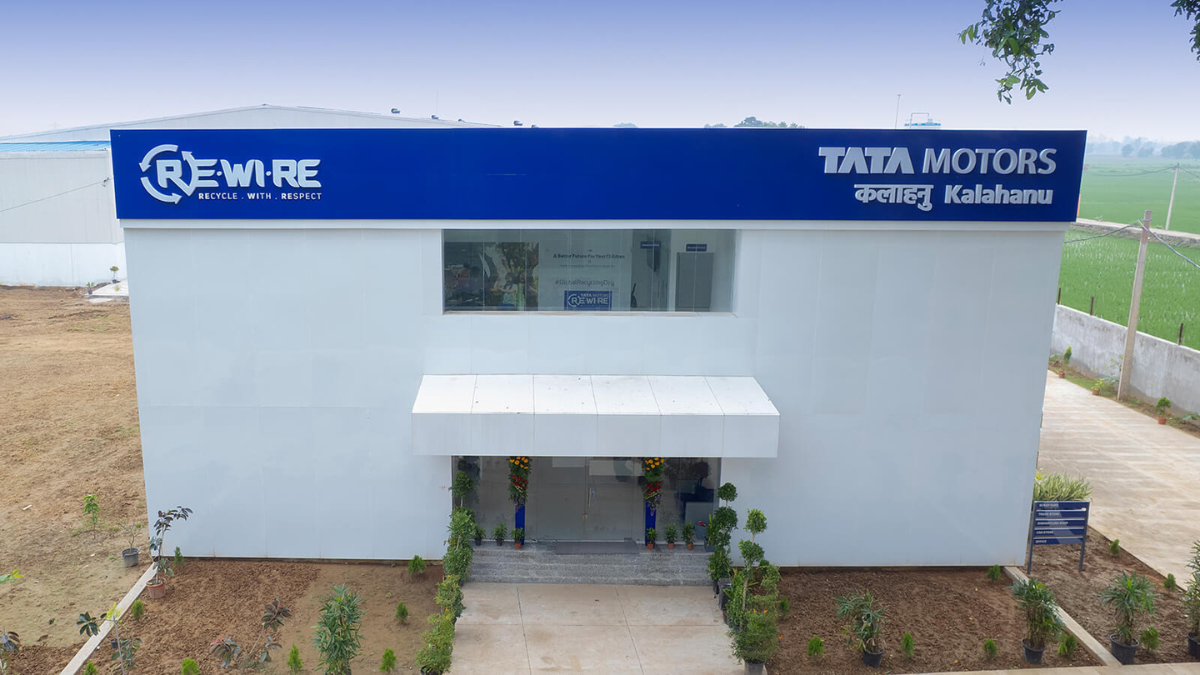
The expansive location processes old cars and commercial trucks to align with the national scrapping policy.
The Takeaway
Clearing aging transport off local streets just got a major boost in Bihar. Tata Motors inaugurated a registered scrappage facility today. The manufacturer designed this location specifically to dismantle heavily polluting rides. Owners can now swap their unfit models for modern alternatives through a formal channel.
Kalahanu Bothra Group operates this plot. The daily workflow runs entirely on digital systems without any physical paperwork. Crews break down heavy commercial trucks alongside smaller two or three-wheelers using cell-type dismantling zones. Every incoming unit goes through a rigorous documentation process.
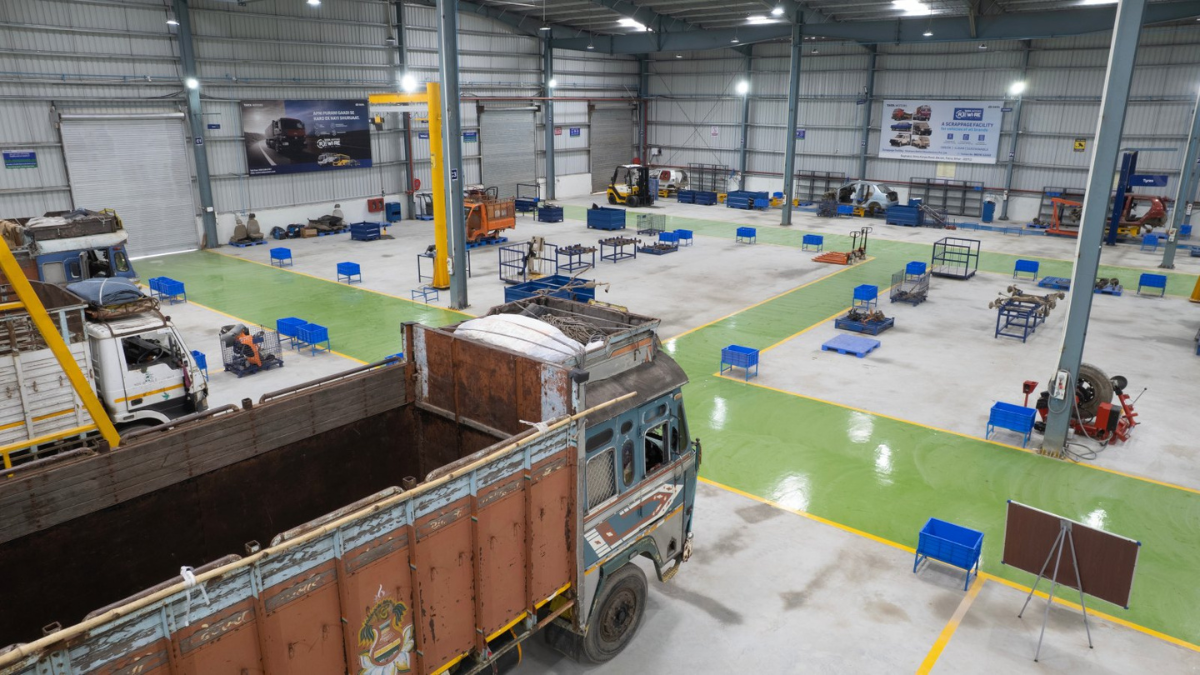
The regulated teardown guarantees safe disposal of every hazardous liquid and gas according to strict government guidelines. This scientific phase-out ensures all components meet the exact responsible scrapping requirements set by national policymakers.
Scrapping centre specifications
| Specification | Detail |
| Total footprint | 5.5 acres |
| Site operator | Kalahanu Bothra Group |
| Existing network locations | Ahmedabad, Bhubaneswar, Chandigarh, Delhi NCR, Guwahati, Jaipur, Kolkata, Lucknow, Pune, Raipur, Surat |
Modernising the country’s transport pool requires removing old polluters alongside adding secure replacements. Institutional buyers are already upgrading their fleets, as seen when new fleet buses feature 29 distinct safety systems for pupil transit. The current national framework uses structured incentives to encourage this exact transition toward a circular economy. Bihar specifically needs this local infrastructure to lower emissions and improve highway safety. The parent conglomerate generates 180 billion dollars globally, and the commercial division uses that vast scale to process close to 2 lakh discarded units nationwide every year.
ⓘ Sponsored: Unbox Daily HQ earns a commission if you buy through these links, at no extra cost to you. Prices shown are subject to change, and the actual price on Amazon at the time of purchase may vary from what is displayed here.
The Unboxed Truth
You might wonder why a manufacturer actively destroys old products. For Unbox Daily HQ, the real value lies in cleaning up our daily commutes. Ancient trucks holding up traffic on regional highways serve absolutely nobody. If you own a vehicle nearing its legal limit, this network offers a definitive exit strategy. The habit of abandoning rusted frames on the roadside has to stop. Hand over the keys and upgrade.
Best for: Fleet operators and private owners with deregistered transport
Who Is This For: Transport operators aged 35 to 55 looking to upgrade their fleet cleanly
Courtesy: Tata Motors
The Tata Motors Re.Wi.Re vehicle scrapping facility is now open in Patna, Bihar. Operated by Kalahanu Bothra Group, the 5.5-acre site has an annual capacity to safely dismantle 15,000 end-of-life vehicles. This expansion brings the manufacturer’s total registered vehicle scrappage network across India to 12 locations.
The facility uses fully digitalised, paperless operations with dedicated deconstruction processes for every vehicle class. Commercial trucks, two-wheelers, and three-wheelers undergo cell-type dismantling, while passenger vehicles move along a specific line-type setup. Isolated extraction stations safely collect hazardous liquids, gases, tyres, and batteries to meet national policy requirements.
Yes, this facility is essential for transport operators aged 35 to 55 looking to clear out aging, deregistered fleets. It provides a legitimate exit strategy by offering structured incentives to surrender polluting vehicles instead of abandoning them roadside. The process directly supports Bihar’s push to modernise transport fleets, lower road emissions, and improve overall highway safety.