Thursday, May 28, 2026 |Navi Mumbai
--:-- | --°C | AQI --
If it's not on Unbox Daily HQ, it's not a Launch. Every product, policy and brand launch in India. One hub. What's new?
The new transit options include a 120 km range electric feeder and dedicated designs for neurodivergent pupils.
The Essentials
The Pulse
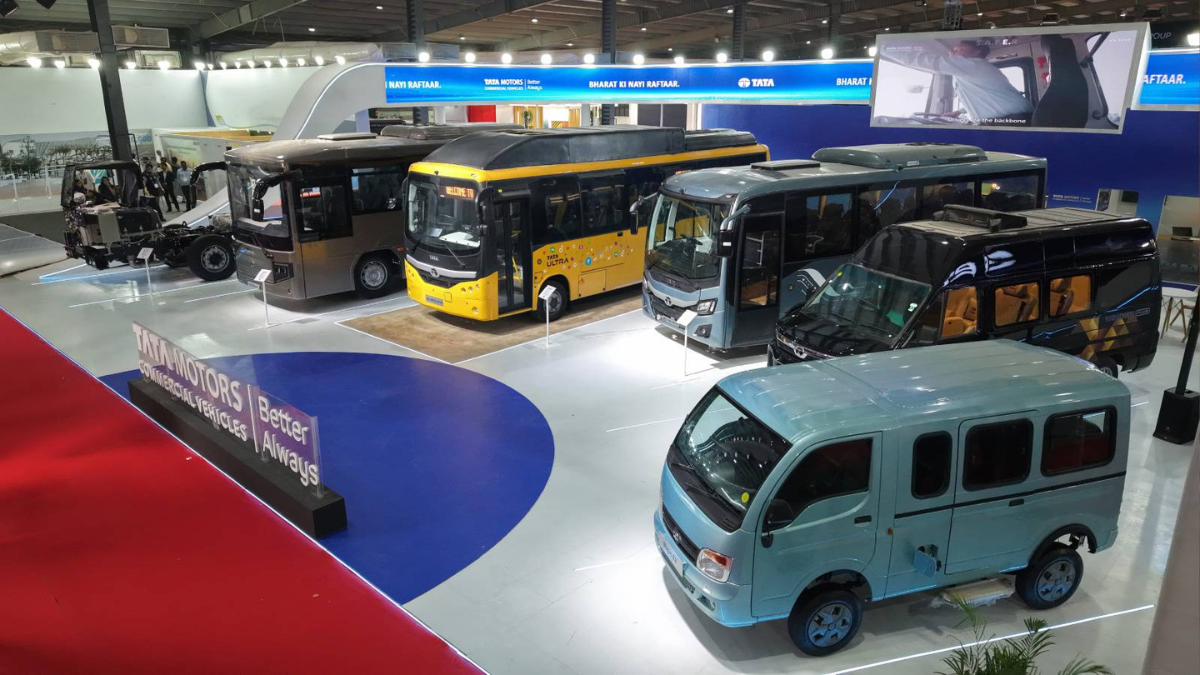
Tata Motors updates India’s mass transport network with electric and alternative fuel buses that prioritise passenger safety over simple utility. The brand brings these new models to the Prawaas 5.0 exhibition in Gandhinagar, targeting the severe gaps in urban employee transport, school transit, and last-mile connectivity. For the urban commuter, this signifies an imminent shift in the quality of daily office shuttles and feeder services. Fleet operators are facing tighter emission regulations and rising fuel costs, making the expansion into electric and compressed natural gas options a direct response to city transit demands.
The introduction of these vehicles means that major corporate offices and schools will soon have access to transport options that reduce city noise and tailpipe emissions. While exact pricing figures for the new platforms remain undisclosed by the manufacturer, the vehicles enter production for the Indian market immediately. This transition arrives at a time when cities like Mumbai and Bengaluru desperately require cleaner, quieter high-capacity vehicles to ease traffic strain without worsening air quality. It offers a clear look at how corporate and school commutes look by the end of the year.
The Breakdown
The updated vehicle architecture focuses on reducing noise, vibration, and harshness levels across the chassis to improve ride smoothness. Safety hardware includes a 360-degree camera array, a Driver Monitoring System to track operator fatigue, an Intelligent Transport System, and a Reverse Parking Assist System. The electric variants introduce distinct charging frameworks: the Ultra Skool 9/9 EV utilises a fast-charging battery setup for quick turnarounds between school runs, while the Magic EV last-mile platform carries a battery package capable of delivering 120 kilometres of range on a single charge. For internal combustion options, the LPO 1620 chassis runs entirely on compressed natural gas to lower operating expenses, while the Ultra Prime RE Concept introduces a rear-engine configuration specifically to maximise floor space and passenger capacity in high-density city routes.
ⓘ Sponsored: Unbox Daily HQ earns a commission if you buy through these links, at no extra cost to you. Prices shown are subject to change, and the actual price on Amazon at the time of purchase may vary from what is displayed here.
The Distinction
The integration of specialised safety layouts, specifically 29 distinct safety features including a Driver Monitoring System and a 360-degree camera, alongside a school bus option featuring custom graphics and paint schemes tailored specifically for neurodivergent children separates this fleet. While standard commercial transit options focus purely on seat counts and basic emission standards, this range introduces specific sensory and safety accommodations directly into the vehicle architecture. This structurally changes how vulnerable passengers and school pupils experience daily city transport, offering functional protection that standard commercial options currently omit.
The Snapshot
| Specification | Detail |
| Manufacturer | Tata Motors Ltd |
| Featured Models | Ultra Prime, Starbus Prime, LPO 1620 CNG, Ultra Skool 9/9 EV, Magic EV, Winger Plus |
| Safety Hardware | Driver Monitoring System, 360-degree camera, Intelligent Transport System, Reverse Parking Assist System |
| Magic EV Range | Up to 120 km on a single charge |
| Fuel Powertrains | Electric, Compressed Natural Gas, Conventional Diesel |
| India Price | Undisclosed by manufacturer |
| Availability | Available across 4,600+ national sales and service touchpoints |
| Support Package | Sampoorna Seva 2.0 and Fleet Management Solution |
The Big Picture
The Indian commercial electric bus market is highly competitive, with established manufacturers like JBM Auto, Olectra Greentech, and Switch Mobility fighting aggressively for municipal and state transport contracts. Until recently, private fleet operators relied predominantly on standard diesel chassis to control upfront costs. However, climbing fuel prices and stricter emission regulations in metropolitan zones are shifting the maths. By deploying the new Ultra Prime and Magic EV platforms, Tata Motors aims to secure corporate fleet buyers and last-mile operators who need reliable high-capacity electric transit without depending entirely on state subsidies.
The India Prospective
For fleet operators and schools in cities like Bengaluru and Delhi, this introduction addresses the most critical friction point of commercial electric vehicles: maintenance downtime. While exact pricing is currently unconfirmed, Tata Motors’ network of over 4,600 service touchpoints removes the service anxiety that typically deters private buyers from shifting away from diesel. Additionally, the Magic EV’s 120-kilometre range perfectly matches the daily feeder requirements for metro stations, making it highly relevant for expanding urban infrastructure.
The Inside Intel
The most surprising structural decision in the new line-up is found in the Ultra Skool 9/9 EV. Instead of standard high-visibility yellow alone, Tata Motors engineered specific optional paint schemes and interior graphics to accommodate neurodivergent children. Adapting the visual environment of a mass transit vehicle to reduce sensory overload is entirely unprecedented in the Indian commercial automotive sector, indicating a massive shift in how pupil transport is designed.
The Unboxed Truth
Unbox Daily HQ considers this the most critical upgrade to Indian city transport this year, not just because of the electric ranges, but because the integration of factory-fitted 360-degree cameras and driver fatigue monitors directly addresses the daily anxiety of navigating congested metro routes. While Tata Motors has not disclosed exact fleet pricing yet, the value of transitioning from loud, vibrating diesel shuttles to the quieter, safer Ultra Prime EV platforms is immediately apparent to anyone enduring a two-hour office commute. The inclusion of sensory-friendly school bus designs sets a completely new benchmark for pupil transit that current commercial builders ignore. This release transforms the standard corporate or school run into a demonstrably safer, heavily monitored environment.
Best for: A 32-year-old parent in Bengaluru who wants their child’s school transport system to finally adopt modern safety standards like driver fatigue monitoring and zero-emission running.
Who Is This For: Perfect for 30 to 45-year-old corporate professionals and parents in metropolitan India who rely on institutional transport daily and demand higher safety and comfort standards for their routine journeys.
The Checkout
Tata Motors Passenger Commercial Vehicles – India Page
The Source
Tata Motors
The Query
The official prices for the Tata Ultra Prime and Tata Starbus Prime buses remain undisclosed by the manufacturer. These updated platforms enter the Indian market immediately and are available across more than 4,600 national sales and service touchpoints. Fleet operators can access them alongside the complete passenger mobility portfolio.
Tata Motors distinguishes its new range by integrating 29 distinct safety features, including a Driver Monitoring System and a 360-degree camera array. Unlike standard commercial alternatives from rivals, the electric school bus variant also introduces custom interior graphics tailored for neurodivergent children. This structural shift prioritises passenger welfare over basic emission standards.
The Tata Ultra Prime range is absolutely worth buying for corporate fleet operators and school authorities demanding higher safety standards. Although exact prices are unconfirmed, the reduction in noise levels and addition of driver fatigue monitoring justify the transition from loud diesel shuttles. The extensive network of 4,600 national service touchpoints ensures long-term operational value.