Thursday, May 28, 2026 |Navi Mumbai
--:-- | --°C | AQI --
If it's not on Unbox Daily HQ, it's not a Launch. Every product, policy and brand launch in India. One hub. What's new?
This 50:50 joint venture creates 53,500 jobs across a massive new refinery, smelter, and downstream manufacturing park.
The Essentials
The Pulse
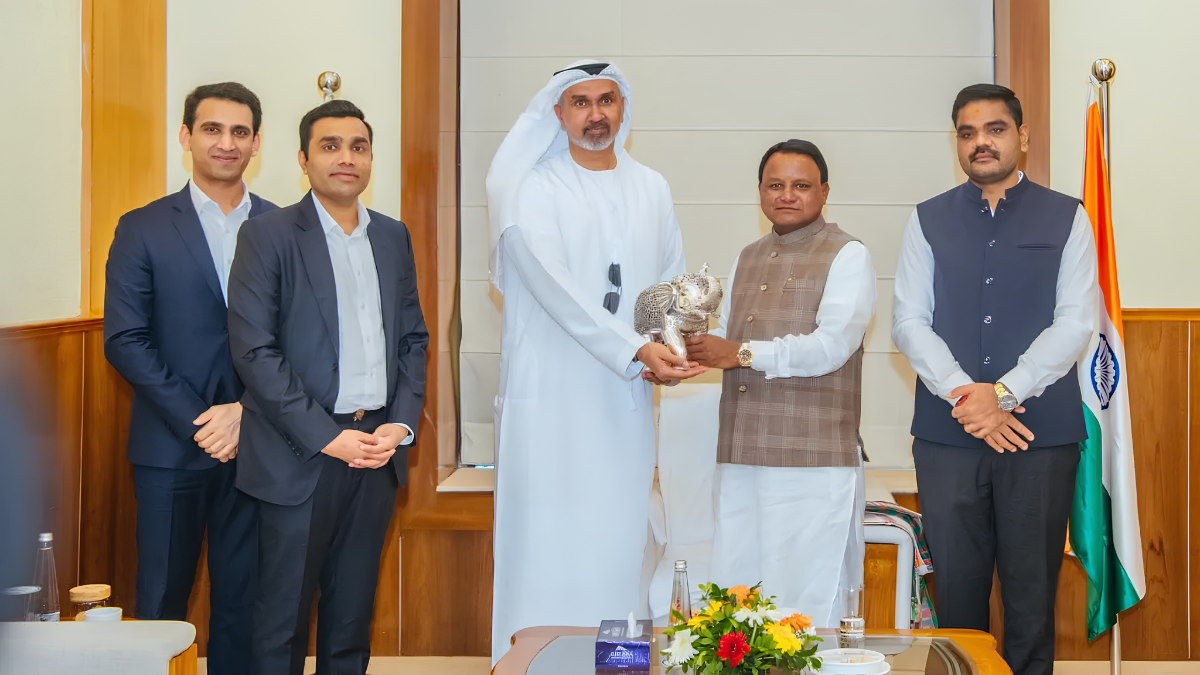
Adani Enterprises and UAE-based International Resources Holding are injecting ₹1.08 lakh crore into Odisha to build India’s largest integrated aluminium facility. This 50:50 joint venture represents the highest-value foreign direct investment in the country’s metallurgy sector. Instead of just extracting raw materials to ship elsewhere, the project builds the entire value chain within one state.
The complex includes a 4 million metric tonnes per annum (MMTPA) alumina refinery, a 2 MMTPA smelter, and a dedicated 4,000-megawatt captive power plant. The Adani Odisha aluminium project is a greenfield manufacturing hub designed to produce everything from raw mined alumina to finished transport and construction components.
Developing this infrastructure requires a phased approach. Phase one absorbs ₹66,000 crore for initial setup, while phase two takes the remaining ₹44,000 crore. Moving beyond basic metal refinement, the inclusion of a 1 MMTPA downstream manufacturing park changes the industrial landscape for local businesses. It allows smaller enterprises to plug directly into a global supply chain, specifically catering to advanced engineering and renewable energy parts.
The Snapshot
ⓘ Sponsored: Unbox Daily HQ earns a commission if you buy through these links, at no extra cost to you. Prices shown are subject to change, and the actual price on Amazon at the time of purchase may vary from what is displayed here.
| Metric | Details |
| Project Type | Integrated Aluminium Project |
| Joint Venture Partners | Adani Enterprises Limited (AEL) & International Resources Holding (IRH) |
| Total Investment | ₹1.08 lakh crore (USD 11.5 billion) |
| Phase I Investment | ₹66,000 crore |
| Phase II Investment | ₹44,000 crore |
| Location | Odisha, India |
| Alumina Refinery Capacity | 4 MMTPA |
| Aluminium Smelter Capacity | 2 MMTPA |
| Downstream Park Capacity | 1 MMTPA |
| Captive Power Plant | 4,000 MW |
| Total Job Creation | 53,500 (35,000 construction, 18,500 operations) |
The Big Picture
Odisha already holds some of India’s largest bauxite reserves and serves as a major alumina producer. Historically, much of this raw material moved elsewhere for advanced processing. This massive capital injection changes that dynamic by localising the entire lifecycle. By keeping smelting and downstream component manufacturing strictly within state borders, this facility actively reduces supply chain vulnerabilities for Indian manufacturers. It forces a shift in how industrial hubs operate, turning a mining-heavy region into an end-to-end global metals competitor.
The India Prospective
For engineering and manufacturing professionals across India, this facility fundamentally rewrites the eastern job market. The initial construction phase alone demands 35,000 workers, while the long-term operations will sustain 18,500 permanent roles. Beyond direct hiring, the dedicated manufacturing park creates a ready-made network for micro and small businesses to supply packaging, automotive, and construction sectors right from Odisha, keeping the capital circulating locally.
The Inside Intel
The Abu Dhabi partner funding half of this ₹1.08 lakh crore initiative is no standard holding company. IHC commands a global market capitalisation of USD 233 billion, currently operating over 1,300 subsidiaries worldwide. Their subsidiary, ePointZero, already shares a joint venture with Adani Green Energy, meaning this mega-smelter deepens an established strategic alliance that stretches across artificial intelligence and renewable power.
The Unboxed Truth
Unbox Daily HQ considers this a critical win for India’s heavy industry, primarily because it stops the export of raw materials in favour of producing finished goods domestically. If you run a manufacturing or logistics business, or work in industrial engineering, this development dictates where the money and contracts will flow for the next decade. The sheer scale of a 4,000 MW captive power plant ensures the facility remains insulated from regional grid constraints, making the downstream park a highly stable base for secondary businesses. Track this closely if your company supplies the construction, automotive, or renewable energy sectors.
Best for: Industrial contractors, logistics operators, and manufacturing professionals who want early access to a massive new supply chain.
Who Is This For: Perfect for 30 to 55-year-old business owners and engineers in heavy industries who track major infrastructure shifts.
The Checkout
The Source
Adani Enterprises Limited | IHC
The Query
The Adani and IHC integrated aluminium project requires a total investment of approximately ₹1.08 lakh crore (USD 11.5 billion) in India. The greenfield complex will be funded across two distinct phases, with phase one utilising ₹66,000 crore and phase two taking ₹44,000 crore.
Unlike traditional mining projects that export raw materials, this complex localises the entire metallurgy lifecycle within Odisha. The facility integrates a 4 MMTPA alumina refinery and a 2 MMTPA smelter with a downstream manufacturing park. This design ensures components are processed completely within the state.
Yes, this ₹1.08 lakh crore development is highly worth tracking for industrial contractors, logistics operators, and manufacturing professionals. The massive capital injection will dictate regional contracts and supply chains for a decade. The downstream park creates long-term value by offering a stable base for secondary enterprises.