Thursday, May 28, 2026 |Navi Mumbai
--:-- | --°C | AQI --
If it's not on Unbox Daily HQ, it's not a Launch. Every product, policy and brand launch in India. One hub. What's new?
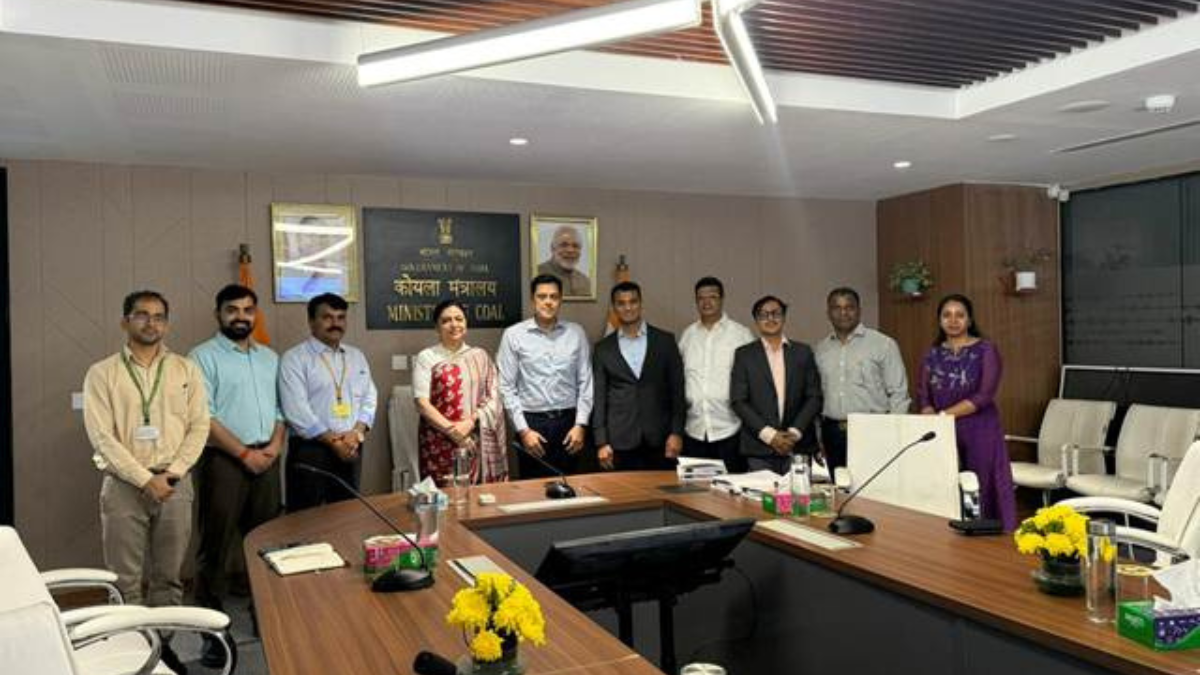
India has signed its first mining agreements featuring gasification technology in Andhra Pradesh and Odisha.
The Essentials
The Pulse
India is rethinking its approach to energy security by signing the first commercial coal mining agreements that include gasification technology. The Ministry of Coal has formalised deals for four specific blocks in Andhra Pradesh and Odisha, marking a shift toward more sophisticated extraction methods. Reliance Industries Limited and Axis Energy Ventures India Private Limited are the successful bidders leading this transition.
Underground Coal Gasification (UCG) allows the country to tap into coal seams that are too deep or thin for traditional mining equipment. Instead of digging the coal out, the process converts it into synthetic gas while it is still underground. This method provides a cleaner pathway to energy and helps the environment by reducing the physical footprint of a mine.
How does Underground Coal Gasification benefit India? The resulting syngas is a vital feedstock for producing urea and ammonia locally, which directly supports our farming community. By making these chemicals at home, India can significantly reduce its reliance on expensive imports of natural gas and fertilisers. This strategy strengthens domestic food security while supporting the national chemical industry.
The Snapshot
ⓘ Sponsored: Unbox Daily HQ earns a commission if you buy through these links, at no extra cost to you. Prices shown are subject to change, and the actual price on Amazon at the time of purchase may vary from what is displayed here.
| Category | Details |
| Authority | Ministry of Coal |
| Successful Bidders | Reliance Industries Limited, Axis Energy Ventures |
| Mining Blocks | Recherla, Chintalpudi, Belpahar, Tangardihi East |
| Primary Locations | Andhra Pradesh and Odisha |
| Technology Integrated | Underground Coal Gasification (UCG) |
| Total Projected Investment | ₹48,231 crores (Cumulative for 138 mines) |
| Employment Potential | ~4,34,175 persons (Direct and Indirect) |
The Big Picture
India’s move toward UCG technology reflects a broader global trend where nations are trying to balance high energy demands with more efficient resource use. By shifting from simple extraction to chemical conversion, India is following a path similar to energy-independent nations that use syngas for industrial purposes. Locally, this puts pressure on traditional giants like Coal India to modernise their own portfolios to stay competitive. It is a necessary step to protect the Indian economy from the volatile pricing of imported naphtha and natural gas.
The Inside Intel
UCG technology was first suggested as a concept by the chemist William Siemens in the 1860s, but it has taken decades for the engineering to catch up with the theory. Today, it is one of the few ways to recover energy from “unworkable” coal seams. This ensures that even the most difficult parts of India’s vast reserves can contribute to the national power and chemical grid.
The UDHQ. Take
Unbox Daily HQ. views this as a vital step for India’s industrial independence. While coal often has a complicated reputation, using it to create gas for fertilisers is far more strategic than simply burning it for power. By allowing companies like Reliance to lead the way, the government is bringing private-sector efficiency to a traditionally slow-moving industry.
The move is a pragmatic one that prioritises national security and economic stability over older, less efficient mining habits. If and when these mines reach full production, the impact on our national import bill for fertilisers and chemicals will be substantial. For a country that relies heavily on its agricultural sector, this is a sensible way to use domestic resources to lower farming costs.
Best for: Energy industry professionals and policy watchers who track India’s path toward chemical self-reliance.
Who Is This For: Perfect for 25–60-year-old industrial stakeholders and investors in Andhra Pradesh and Odisha who are monitoring regional economic growth.
The Checkout
The Source
Ministry of Coal | PIB.GOV.