Thursday, May 28, 2026 |Navi Mumbai
--:-- | --°C | AQI --
If it's not on Unbox Daily HQ, it's not a Launch. Every product, policy and brand launch in India. One hub. What's new?
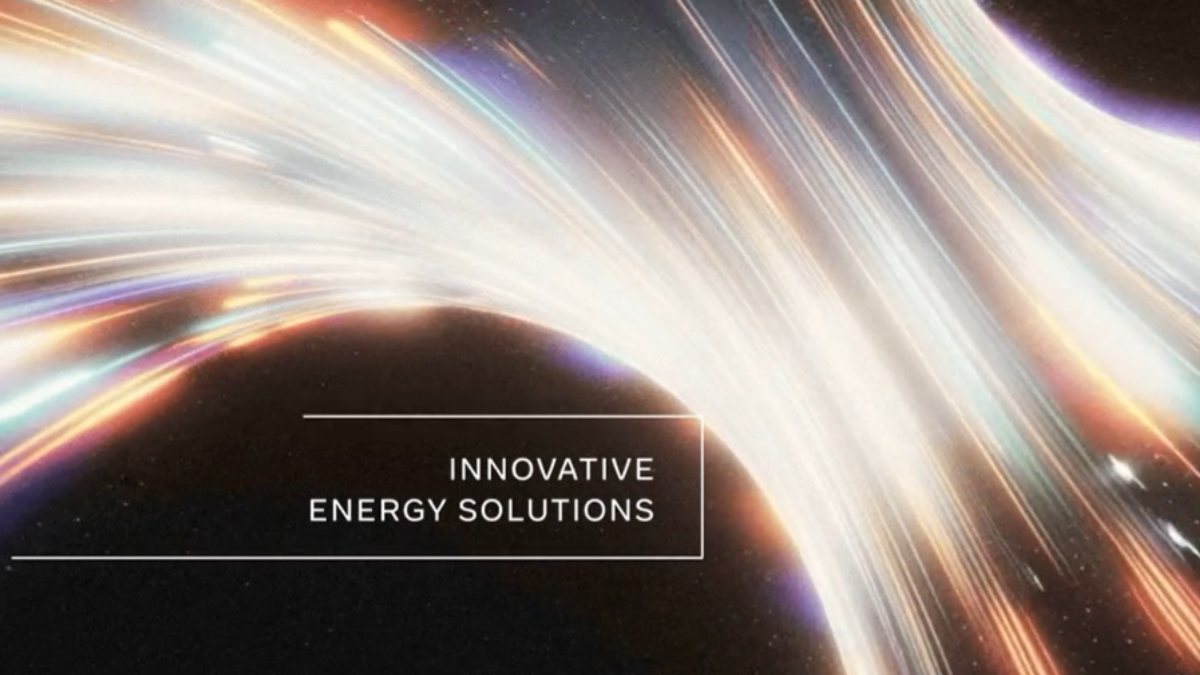
Meta partners with Overview Energy and Noon Energy for 100-hour battery storage and orbital solar beaming by 2028.
The Essentials
The Pulse
Meta is securing space solar energy for AI data centres, providing a vital blueprint for future-focused energy infrastructure in India. The company has entered partnerships with Overview Energy and Noon Energy to tackle the limits of current renewable sources, which often depend on weather and daylight. By beaming near-infrared light from satellites to ground-based facilities, these projects ensure that solar farms can generate electricity around the clock.
How does space solar energy work for the grid? The system uses satellites positioned 22,000 miles above the Earth to collect constant sunlight and beam it to existing solar plants, which then convert it into electricity for the national grid. This method requires no additional land or new grid infrastructure, making it a highly efficient way to scale up capacity.
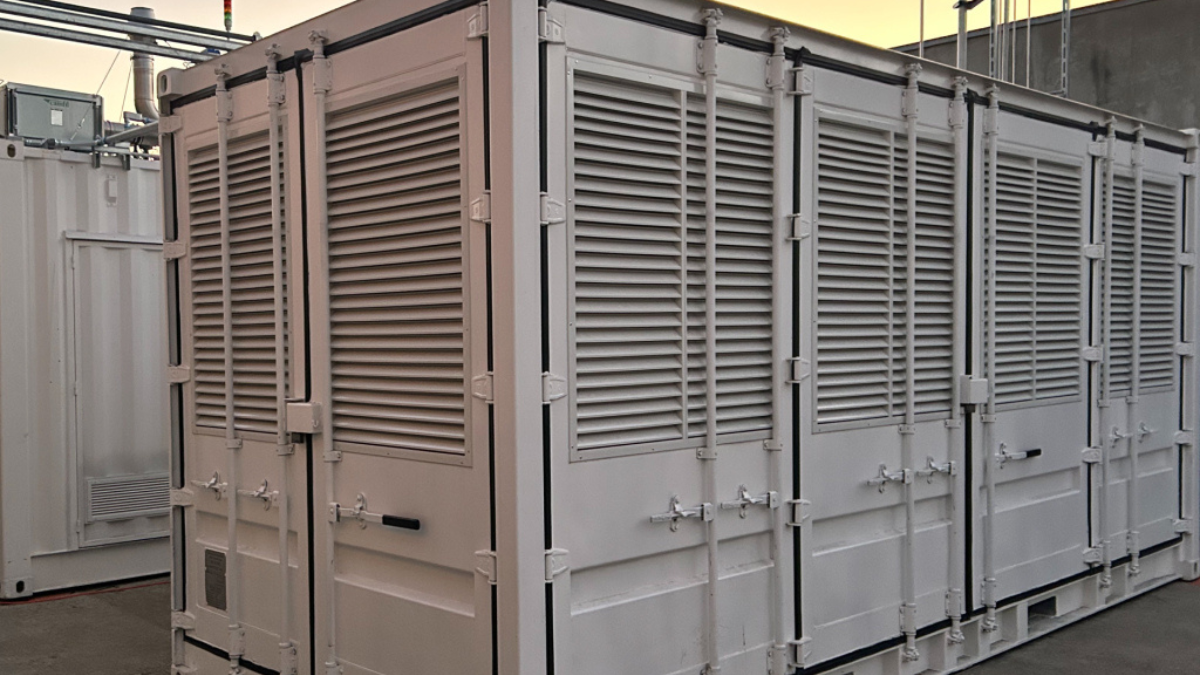
In addition to generation, the partnership with Noon Energy focuses on long-duration storage. Using reversible solid oxide fuel cells and carbon-based storage, the system can hold energy for over 100 hours. This is significantly higher than what current lithium-ion batteries provide, ensuring that data centres remain operational even during extended periods without sun or wind.
The Snapshot
ⓘ Sponsored: Unbox Daily HQ earns a commission if you buy through these links, at no extra cost to you. Prices shown are subject to change, and the actual price on Amazon at the time of purchase may vary from what is displayed here.
| Feature | Details |
| Partner Companies | Overview Energy (Space Solar), Noon Energy (Storage) |
| Space Solar Capacity | Up to 1 GW reserved |
| Storage Capacity | Up to 1 GW / 100 GWh reserved |
| Storage Technology | Reversible solid oxide fuel cells with carbon-based storage |
| Storage Duration | 100+ hours |
| Demonstration Milestone | 2028 (both technologies) |
| Commercial Deployment | 2030 (target for Overview Energy) |
| Transmission Method | Low-intensity near-infrared light |
| Satellite Orbit | Geosynchronous (roughly 22,000 miles altitude) |
| Current Clean Energy Portfolio | Over 30 GW contracted |
| Storage Pilot Project | 25 MW / 2.5 GWh (expected 2028) |
The Big Picture
The race to power AI is shifting from traditional renewables to futuristic baseload solutions. As global technology giants move towards nuclear and space solar, Indian players like Adani Renewables and Tata Power are similarly scaling up hybrid storage systems to stabilise the national grid. This trend signals a shift where simply having solar panels is no longer enough; the real value lies in energy that remains available when the sun sets. For Indian consumers, this could eventually lead to more stable electricity pricing as the grid becomes less dependent on coal.
The Inside Intel
Space solar satellites sit in geosynchronous orbit at an altitude of 22,000 miles, allowing them to catch sunlight 24 hours a day without any atmospheric interference. This means they can beam energy to Earth-based solar farms that would otherwise sit idle at night, effectively turning existing infrastructure into a 24/7 power plant.
The UDHQ. Take
Unbox Daily HQ. views this as a significant pivot in how we think about energy security for the digital age. By using satellites to beam power to existing farms, Meta bypasses the need for massive new land parcels, a challenge India knows all too well due to dense populations and agricultural needs. While the 2028 timeline seems distant, the technical promise of 100-hour storage addresses the intermittency problem that currently limits renewable adoption in Indian urban centres.
It is a pragmatic way to ensure that the growth of AI doesn’t come at the cost of environmental targets. For a country like India, which is already a solar leader, this “orbit-to-grid” concept represents the logical next step in making clean energy truly reliable. It is a high-stakes investment that moves renewable energy from a variable resource to a constant one, providing the value for money that modern grids require.
Best for: Sustainability leads and energy sector analysts in India who are planning the next decade of data centre expansion.
Who Is This For: Perfect for 25–50 year old infrastructure professionals in Indian tech hubs who need to understand how space technology will stabilise future power grids.
The Checkout
The Source
Meta Global