Thursday, May 28, 2026 |Navi Mumbai
--:-- | --°C | AQI --
If it's not on Unbox Daily HQ, it's not a Launch. Every product, policy and brand launch in India. One hub. What's new?
The Jewali facility uses 28 advanced turbines to offset 245 million kilogrammes of carbon emissions every year.
The Essentials
The Pulse
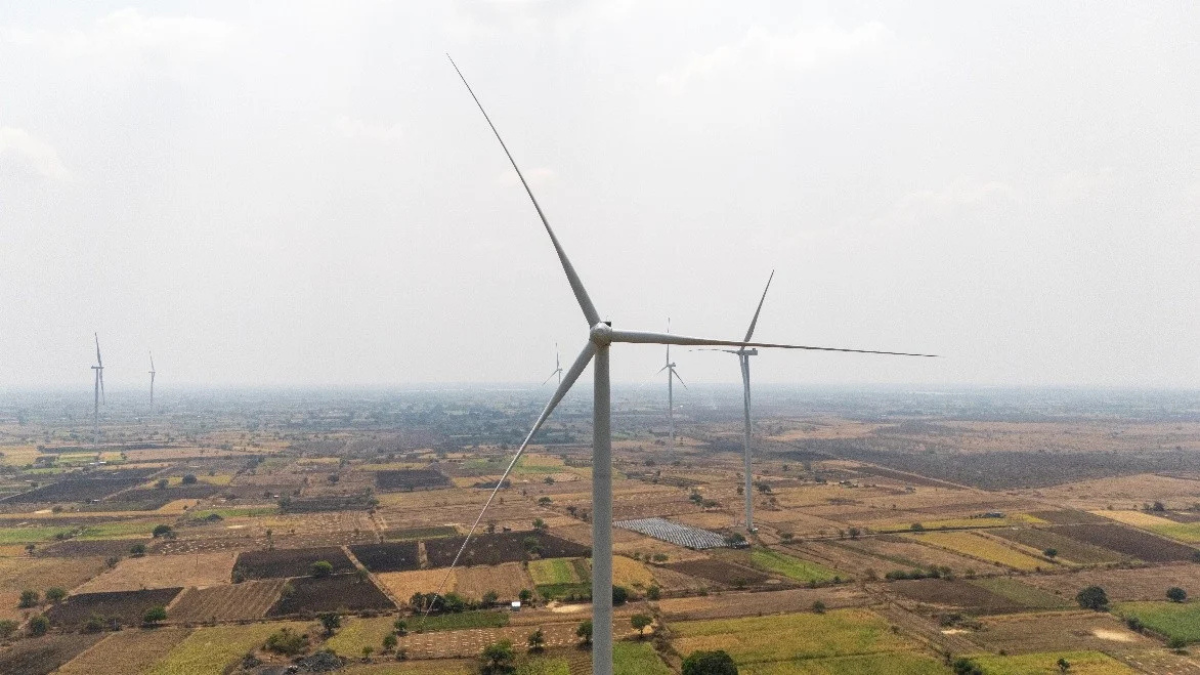
Tata Power’s new 100.8 MW Jewali wind project in Maharashtra directly supplies 299 million units of clean electricity a year to its Mumbai distribution network. This shift immediately alters the energy mix for city residents, replacing older thermal generation with horizontal-axis wind turbine technology.
The Dharashiv-based facility operates 28 advanced SG 3.6-145 generators. By pushing this capacity directly to the Mumbai grid, Tata Power meets its Renewable Purchase Obligations while cutting 245 million kilogrammes of carbon emissions annually. This directly answers the growing corporate and residential demand for greener grid energy without relying on off-site solar offsets.
This installation pushes Tata Power Renewable Energy Limited’s operational wind capacity past 1.3 GW. With another 2.6 GW of wind projects under construction, the company is actively rebalancing a portfolio that still relies on 8.9 GW of thermal generation. For the end consumer in Mumbai, the Jewali project represents a physical, operational shift towards the utility provider’s long-term environmental commitments.
The Snapshot
ⓘ Sponsored: Unbox Daily HQ earns a commission if you buy through these links, at no extra cost to you. Prices shown are subject to change, and the actual price on Amazon at the time of purchase may vary from what is displayed here.
| Metric | Details |
| Project | Jewali Wind Project |
| Developer | Tata Power Renewable Energy Limited (TPREL) |
| Location | Dharashiv district, Maharashtra |
| Capacity | 100.8 MW |
| Equipment | 28 SG 3.6-145 Wind Turbine Generators |
| Annual Generation | 299 million units (kWh) |
| Primary Beneficiary | Tata Power Mumbai Distribution consumers |
| Carbon Offset | 245 million kg CO₂ per year |
The Big Picture
India’s renewable energy transition increasingly relies on hybridising the grid, moving away from pure solar dependence. Competitors like Adani Green and ReNew Power are aggressively scaling their own wind capacities to ensure round-the-clock green energy. Tata Power’s move to integrate the 100.8 MW Jewali project directly into its Mumbai distribution network highlights a strategic shift. Utility providers are no longer just building remote capacity to sell on open markets; they are integrating large-scale renewables directly into their captive urban distribution networks to meet stringent state purchase obligations.
The India Prospective
For a Mumbai resident on the Tata Power grid, this wind farm alters the origin of the electricity cooling their home or charging their EV. While it does not immediately lower monthly tariffs, it insulates the urban grid from volatile coal supply chain issues. As the city battles severe air quality drops, shifting urban power consumption to rural wind generation provides a structural improvement to Maharashtra’s overall carbon footprint.
The Inside Intel
The specific emissions reduction metric used here reveals the current carbon intensity of the grid. Tata Power calculates that every single unit (kWh) of electricity generated by these new wind turbines prevents exactly 0.82 kilogrammes of carbon dioxide from entering the atmosphere. Across the 299 million units produced annually, this highlights just how carbon-heavy the baseline power supply remains before these renewable interventions.
The Unboxed Truth
Unbox Daily HQ considers this expansion a critical infrastructure upgrade for Mumbai residents tracking their personal or corporate carbon footprints. While you cannot opt specifically to buy only the wind-generated units from the grid, staying with Tata Power distribution now means an actively greening power supply. The transition from heavy thermal reliance is slow, but projects like Jewali prove the capital is finally moving toward sustainable generation at scale.
Best for: Mumbai-based residential societies and businesses who want to reduce their scope 2 emissions simply by consuming from the grid.
Who Is This For: Perfect for 28 to 55-year-old environmentally conscious professionals and business owners in Mumbai who rely on stable utility infrastructure.
The Checkout
The Source
Tata Power India
The Query
The electricity from the Jewali Wind Project is supplied directly to Tata Power Mumbai Distribution consumers in Maharashtra. This clean energy helps the utility meet its Renewable Purchase Obligation targets. It does not alter monthly consumer tariffs immediately but transitions the urban grid away from thermal power.
Unlike general market capacity built by competitors like Adani Green or ReNew Power, the Jewali Wind Project integrates its 100.8 MW capacity directly into a captive urban distribution network. It supplies 299 million units of clean electricity annually straight to Mumbai consumers. This direct integration secures localized green energy rather than selling on open markets.
Yes, staying with Tata Power Mumbai Distribution is highly worthwhile for environmentally conscious consumers and businesses tracking carbon footprints. While tariffs remain unchanged, this project actively greens your power supply by offsetting 245 million kilogrammes of carbon dioxide annually. It delivers genuine sustainable value simply through standard grid consumption.