Thursday, May 28, 2026 |Navi Mumbai
--:-- | --°C | AQI --
If it's not on Unbox Daily HQ, it's not a Launch. Every product, policy and brand launch in India. One hub. What's new?
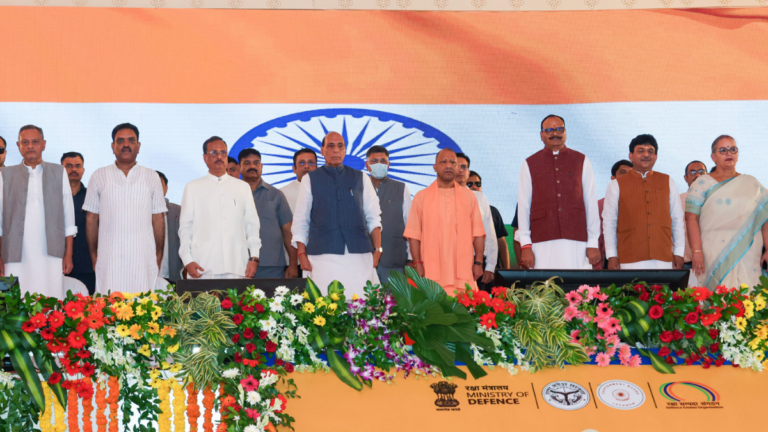
The fifth foundation day introduces conversational AI for urban banks and a 64-acre forest project by Amul and NCCF.
The Essentials
The Pulse
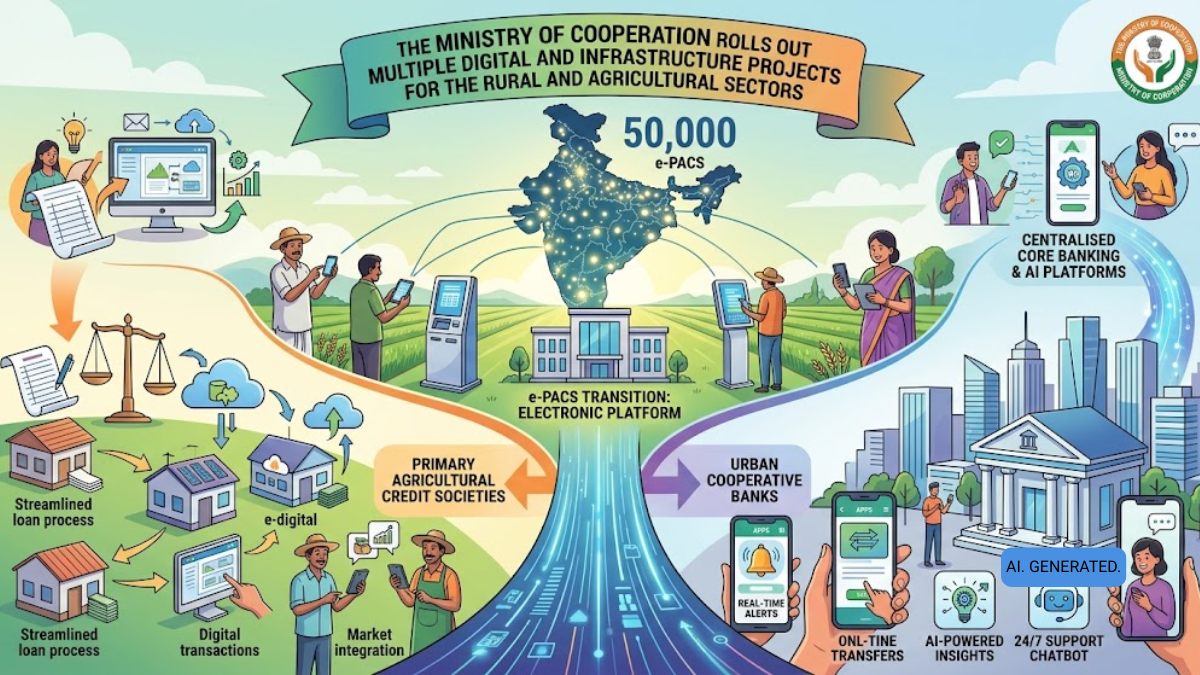
The Ministry of Cooperation introduces Sahakar CBS and Sahakar Sahyogi, bringing centralised core banking and conversational artificial intelligence to Urban Cooperative Banks. This digital shift addresses a technology gap, allowing smaller cooperative lenders to offer the same digital banking experiences as major commercial institutions.
Agricultural infrastructure sees a major expansion with 232 grain storage godowns entering various stages of operation or construction under the global grain storage scheme. This network directly impacts rural farming communities by providing local, modern storage facilities that prevent post-harvest crop wastage.
A massive digitisation drive transforms 50,000 Primary Agricultural Credit Societies into e-PACS, shifting grassroots lending from paper ledgers to digital records. These societies act as the first point of financial contact for millions of Indian farmers, and their digitisation ensures faster loan processing and cleaner financial tracking. Additional initiatives include a 64-acre cooperative forest project called Sahakar Van by Amul and NCCF, alongside new tissue culture facilities in Uttar Pradesh and Maharashtra to improve agricultural yields.
The Snapshot
ⓘ Sponsored: Unbox Daily HQ earns a commission if you buy through these links, at no extra cost to you. Prices shown are subject to change, and the actual price on Amazon at the time of purchase may vary from what is displayed here.
| Detail | Specification |
| Event | 5th Foundation Day Ceremony, Ministry of Cooperation |
| Date | 6 July 2026 |
| Location | Bharat Mandapam, New Delhi |
| Grain Storage | 232 godowns (transfer, inauguration, foundation) |
| Digital Transformation | 50,000 PACS converting to e-PACS |
| Urban Banking Tech | Sahakar CBS (core banking) and Sahakar Sahyogi (AI) |
| Environmental Project | Sahakar Van (64-acre forest by Amul and NCCF) |
| Agricultural Tech | BBSSL tissue culture facilities in UP and Maharashtra |
The Big Picture
India’s cooperative sector has traditionally operated on fragmented, manual systems that lag decades behind commercial banking and corporate agriculture. The shift toward centralised core banking platforms and AI for urban cooperatives mirrors the broader digitisation of India’s financial landscape through UPI and digital public infrastructure. By bringing 50,000 primary credit societies online and modernising dairy supply chains with the NDDB dashboard, the focus moves from merely sustaining cooperatives to making them competitive against private agricultural and financial institutions. The addition of ICAR-backed seed systems ensures this modernisation reaches the very beginning of the crop cycle.
The India Prospective
For the rural Indian farmer, the immediate benefit lies in the 232 new grain storage godowns, which provide crucial protection against climate unpredictability and distress selling. Urban residents banking with cooperative institutions will experience fewer service interruptions and better digital access through the Sahakar CBS platform. The transition of 50,000 grassroots societies to e-PACS means agricultural loans and subsidies will process with the speed and transparency previously restricted to commercial metropolitan branches.
The Inside Intel
Beyond the heavy financial and infrastructure policies, the programme includes the creation of Sahakar Van. Driven by Amul and the National Cooperative Consumers’ Federation of India, this initiative designates 64 acres specifically for cooperative forestation. It marks an unusual but practical intersection where India’s massive dairy network deliberately enters the environmental space to build green cover, stepping outside its traditional focus on milk production and rural supply chains.
The Unboxed Truth
Unbox Daily HQ considers this a necessary overhaul for a sector that touches millions of Indian livelihoods but routinely struggles with outdated technology. The push to digitise 50,000 credit societies and introduce AI into urban cooperative banks forces these institutions into the modern era, ensuring they remain relevant for younger farmers and urban depositors. The physical infrastructure, particularly the grain storage network, provides immediate economic security against harvest losses.
Best for: Agricultural professionals, dairy farmers, and urban cooperative bank customers who rely on institutional support for their daily financial operations.
Who Is This For: Perfect for 28 to 55 rural entrepreneurs and urban cooperative members in India who require faster loan processing and secure crop storage.
The Checkout
The Source
Ministry of Cooperation | PIB.GOV
The Query
The e-PACS and Sahakar CBS platforms are available across India following their rollout on 6 July 2026. Exactly 50,000 Primary Agricultural Credit Societies are converting to the electronic system immediately. These government-backed digital banking platforms are fully funded infrastructure updates with no direct cost to cooperative members.
Sahakar CBS and Sahakar Sahyogi bring centralised core banking and conversational artificial intelligence specifically to smaller urban cooperative banks. Unlike private commercial banking platforms, these tools are tailored to modernise grassroots cooperative lenders. They bridge the technology gap, allowing local cooperative depositors to access advanced digital services.
The new initiatives are highly valuable for rural entrepreneurs as they provide essential modern technology at no personal cost. The grain storage network offers direct economic security by preventing post-harvest crop wastage. This structural overhaul is worth utilising for agricultural professionals and urban cooperative members needing faster loan processing.