Thursday, May 28, 2026 |Navi Mumbai
--:-- | --°C | AQI --
If it's not on Unbox Daily HQ, it's not a Launch. Every product, policy and brand launch in India. One hub. What's new?
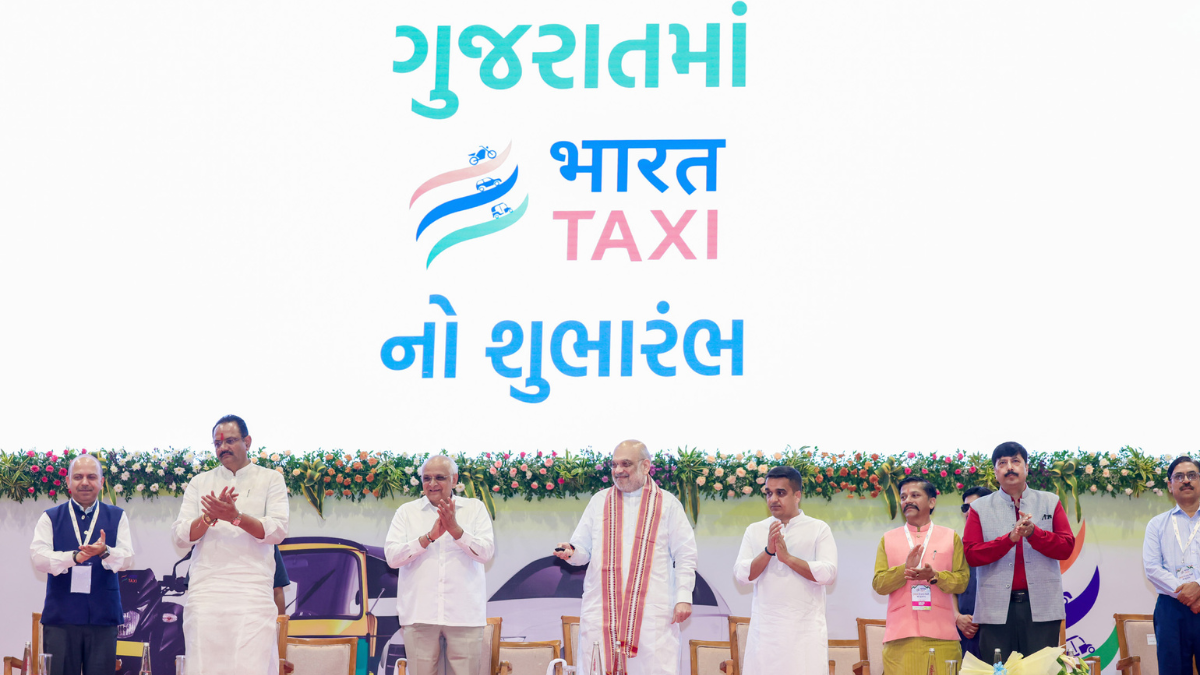
Backed by major cooperatives, Bharat Taxi expands to 500 cities in two years, aiming to eliminate driver exploitation.
The Essentials
The Pulse
Bharat Taxi shifts the ride-hailing model from corporate control to cooperative ownership, operating with over 7 lakh drivers who function as shareholders. By making drivers the owners, the platform removes the standard commission structures that have historically strained the relationship between aggregators and drivers in India. This cooperative approach mirrors the institutional models used in the dairy and fertiliser sectors.
Who owns Bharat Taxi?
The platform operates as a cooperative institution owned by the drivers themselves, with backing from major entities like Amul, IFFCO, and NABARD. In response to the platform’s initial rollout, competing private companies have temporarily reduced their fares to block its market entry. The platform maintains that its business model will remain firmly in the field, aiming to establish a sustainable system rather than operating at a loss.
With agreements signed across metro systems, airports, and railways in Gujarat, the service is embedding itself into existing transport infrastructure. Before 31 July 2026, the service will expand into seven major cities across the country.
ⓘ Sponsored: Unbox Daily HQ earns a commission if you buy through these links, at no extra cost to you. Prices shown are subject to change, and the actual price on Amazon at the time of purchase may vary from what is displayed here.
The Snapshot
| Feature | Specification |
| Platform | Bharat Taxi |
| Category | Mobility |
| Operating Model | Cooperative |
| Driver Count | Over 7 lakh |
| Customer Count | Over 37 lakh |
| Two-Wheeler Support | Yes |
| Auto Support | Yes |
| Expansion Target | 500 cities in two years |
The Big Picture
Private aggregators like Ola and Uber have controlled the Indian ride-hailing space for a decade, operating on high-volume, commission-based models that often leave both drivers and passengers dissatisfied. Bharat Taxi intentionally bypasses this standard structure by adopting a cooperative framework backed by major national institutions like Amul and NDDB. This shift moves the market away from venture-capital-funded price wars, focusing instead on driver retention as a primary growth strategy. The mobility sector has previously relied heavily on independent gig workers; treating them as actual shareholders introduces an entirely different economic baseline to urban transport across the country.
The India Prospective
For Indian commuters exhausted by frequent cancellations and surge pricing, this platform offers a structurally different alternative. Because drivers do not lose a heavy percentage of their earnings to an app company, they have less incentive to reject rides or demand cash payments. With upcoming integration into local transit systems like the Gujarat Metro Rail Corporation and Western Railway, the service directly links with how Indians actually commute daily. It addresses the friction points unique to Indian urban travel.
The Inside Intel
The cooperative model driving Bharat Taxi is directly inspired by the system that built India’s dairy giant, Amul. Just as rural cattle-rearers became stakeholders in a national food brand starting with minimal shares, the drivers using this platform are granted actual institutional ownership, meaning the entity is designed solely for their welfare rather than external corporate profit. This structure eliminates middlemen and ensures transparency.
The Unboxed Truth
Unbox Daily HQ considers this the most important shift in Indian urban mobility since the arrival of smartphone aggregators. It fundamentally changes the relationship between the platform and the person behind the wheel, which directly improves reliability for the passenger. While the exact per-kilometre price remains variable, the zero-commission structure ensures drivers keep what you pay, making every rupee spent more impactful. For daily commuters relying on public and private transit links, this presents a fairer, potentially more stable alternative to traditional transport applications.
Best for: Daily urban commuters heavily reliant on app-based transit who frequently face last-minute ride cancellations.
Who Is This For: Perfect for 22 to 50-year-old working professionals in expanding metropolitan hubs who need reliable daily transport without the constant anxiety of surge pricing.
The Checkout
The Source
Ministry of Cooperation | PIB.GOV
The Query
Bharat Taxi is available in Gujarat across major cities including Ahmedabad, Surat, and Rajkot, with an expansion to seven major Indian cities scheduled before 31 July 2026. The platform operates across two-wheeler, auto, and four-wheeler categories. Exact per-kilometre India pricing is not yet confirmed.
Unlike the commission-based model of Ola and Uber, Bharat Taxi operates as a cooperative where the drivers themselves are owners and shareholders. This zero-commission structure eliminates corporate middlemen to ensure drivers retain their full earnings. The platform receives backing from established national cooperatives like Amul and NABARD.
Bharat Taxi is a stable alternative for working professionals aged 22 to 50 who experience frequent ride cancellations from traditional applications. The zero-commission model ensures maximum value for money as drivers keep the full fare, which directly improves service reliability. It offers a fairer system for urban transit.