Thursday, May 28, 2026 |Navi Mumbai
--:-- | --°C | AQI --
If it's not on Unbox Daily HQ, it's not a Launch. Every product, policy and brand launch in India. One hub. What's new?
The new Ranjangaon plant focuses on manufacturing components for AI data centres, 5G tech, and high-end networking gear.
The Essentials
The Pulse
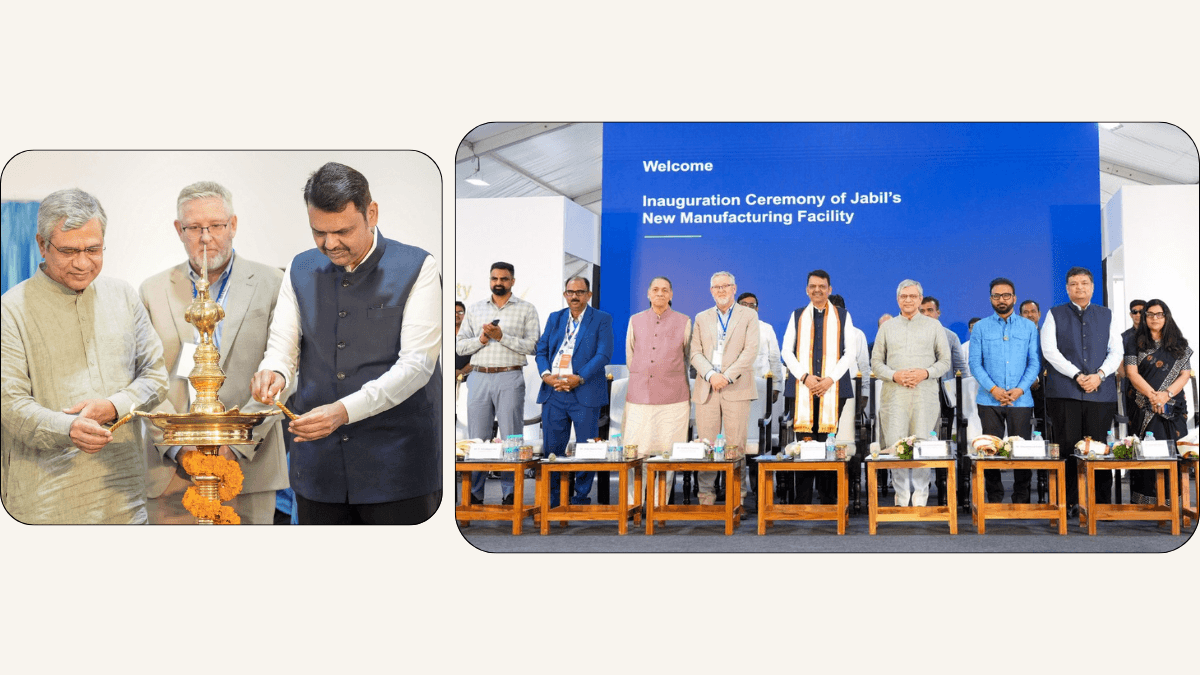
Union Minister Ashwini Vaishnaw and Maharashtra Chief Minister Devendra Fadnavis have officially inaugurated a new Jabil electronics manufacturing plant in Ranjangaon, Pune. This operation focuses on building the physical infrastructure that powers artificial intelligence, specifically AI-enabled data centre gears and industrial power systems.
With artificial intelligence dominating global technology growth, keeping physical hardware production within borders has become a strategic priority. The facility aims to supply domestic technology needs while simultaneously pushing finished electronic goods to global export markets. You can expect this shift to directly reduce reliance on imported components for local data centres across the country.
Electronics officially became the country’s third-largest export category last year, climbing steadily from the ninth position. The broader goal is to push the sector into the second-highest export spot by focusing on process quality and deep localisation. Through active policy cooperation, this specific Pune project will hire up to 11,000 personnel and pull local vendors directly into international supply chains.
The Snapshot
ⓘ Sponsored: Unbox Daily HQ earns a commission if you buy through these links, at no extra cost to you. Prices shown are subject to change, and the actual price on Amazon at the time of purchase may vary from what is displayed here.
| Facility Location | Ranjangaon, Pune |
| Inauguration Date | 17 June 2026 |
| Projected Employment | Up to 11,000 personnel |
| Sector Value | ₹13 lakh crore |
| Export Category Status | 3rd largest in India |
| Key Focus Areas | AI Systems, 5G tech, networking gears |
The Big Picture
The global race for artificial intelligence supremacy relies heavily on physical data centres, making domestic hardware production a vital economic asset. India is moving from basic consumer electronics assembly to complex industrial power systems. This transition directly challenges traditional manufacturing hubs in East Asia and aligns with the broader Make in India strategy. By exploring partnerships with high-precision equipment innovators like Lyten, the government wants to localise supply chains heavily, transforming the domestic market into a primary export node for enterprise-grade technology infrastructure rather than just consumer devices.
The India Prospective
This development signals a significant shift in the local job market for the Maharashtra region. The creation of 11,000 localised jobs in Pune directly strengthens the western technology corridor. By integrating domestic smaller businesses into Jabil’s operations, Indian vendors gain vital access to international manufacturing networks. This provides a tangible boost to local manufacturers currently supplying high-precision mechanical parts to global technology firms.
The Inside Intel
India’s electronics export sector was struggling to break into the top ten export categories just a few years ago. Driven by targeted policy initiatives and the rapid establishment of advanced manufacturing facilities, the sector climbed past other traditional goods. It moved steadily from the ninth rank to officially become the third-largest export category in the country in 2025, with sights now set on the second position.
The Unboxed Truth
Unbox Daily HQ views this as a crucial indicator of where technology careers and vendor contracts are heading next. Professionals in supply chain management, hardware engineering, and industrial manufacturing should closely track these infrastructure investments. As the sector pushes past the ₹13 lakh crore valuation mark, the financial ceiling for electronics manufacturing in the country is rising fast. This Pune facility proves the domestic focus is moving beyond simple smartphone assembly into enterprise-level hardware. For local business owners, entering this specific localised supply chain is a highly lucrative move.
Best for: manufacturing professionals and small business owners looking to supply parts for enterprise electronics rather than consumer goods
Who Is This For: Perfect for 28 to 55 year old engineers and supply chain operators in Maharashtra who want to transition into the artificial intelligence hardware sector
The Checkout
The Source
Ministry of Electronics and Information Technology | PIB.GOV.
The Query
The new Jabil facility is located in Ranjangaon, Pune, and was officially inaugurated on 17 June 2026. This plant is equipped to meet domestic technology requirements while simultaneously driving exports to global markets.
The plant specialises in complex manufacturing for artificial intelligence systems, specifically AI-enabled data centre gears. It also produces 5G technology, high-end networking gears, industrial power system electronics, and consumer electronics. This production will directly reduce reliance on imported components for local data centres.
This project is perfect for engineers, supply chain operators, and manufacturing professionals aged 28 to 55 who want to enter the artificial intelligence hardware sector. It will scale localised employment up to 11,000 personnel in the Maharashtra region. Additionally, local small business owners can integrate into this network to supply parts for enterprise electronics.