Thursday, May 28, 2026 |Navi Mumbai
--:-- | --°C | AQI --
If it's not on Unbox Daily HQ, it's not a Launch. Every product, policy and brand launch in India. One hub. What's new?
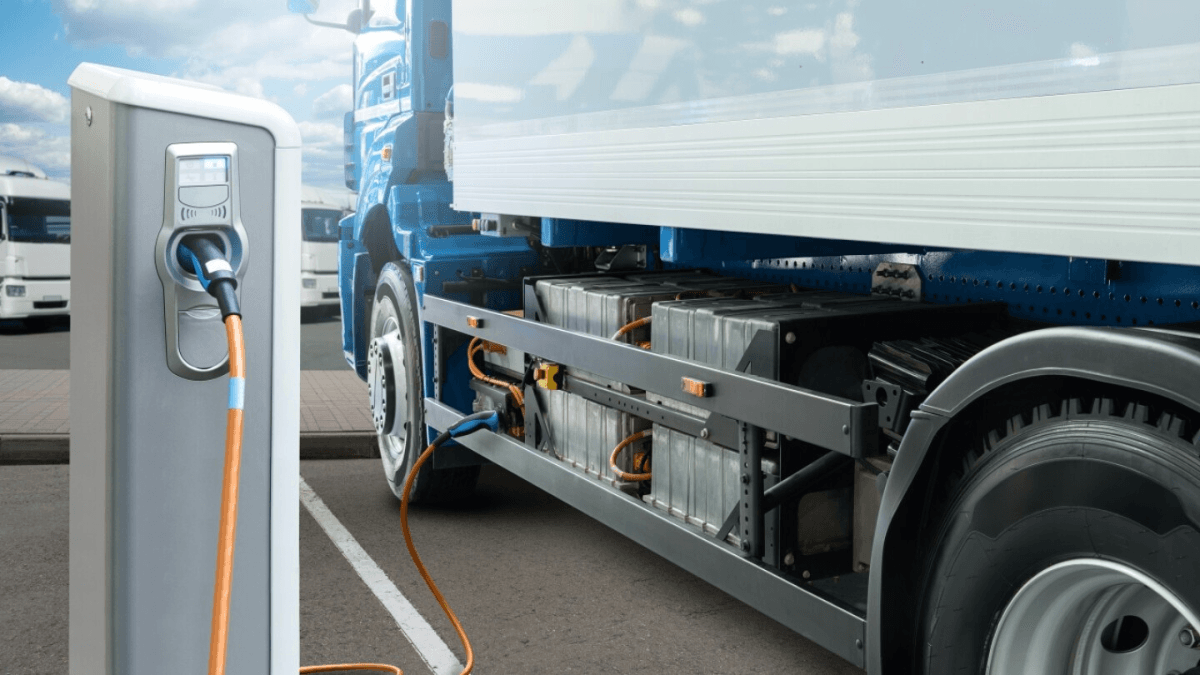
The Climate Pledge maps a phased strategy to replace diesel cargo trucks with electric models on 20 routes by 2027.
The Essentials
The Pulse
Medium and heavy-duty trucks account for only three per cent of the vehicles on Indian roads but cause 53 per cent of all particulate emissions from transport. The National EV Highway Guidance Framework, created by The Climate Pledge and C40 Cities, provides an empirical roadmap to clean up this specific sector by moving cargo from diesel to battery electric trucks.
To build a nationwide electric highway network, the framework maps 20 priority corridors identified by the Ministry of Heavy Industries for fast-charging infrastructure by 2027. It then expands to industrial hubs and ports, aiming for a complete national network by 2035.
Data from the Laneshift pilot project proves this is not just a theoretical exercise. Electric trucks completed 600 trips along the Bengaluru to Chennai route, covering 200,000 kilometres to confirm that electric heavy freight is commercially viable for routes exceeding 400 kilometres a day. With freight demand expected to quadruple by 2050, this structured transition is designed to lower public health risks along major commuter routes while aligning with India’s long-term net-zero goals.
The Snapshot
ⓘ Sponsored: Unbox Daily HQ earns a commission if you buy through these links, at no extra cost to you. Prices shown are subject to change, and the actual price on Amazon at the time of purchase may vary from what is displayed here.
| Feature | Detail |
| Framework Name | National EV Highway Guidance Framework |
| Collaborators | The Climate Pledge and C40 Cities |
| First Milestone Target | 20 priority highways electrified by 2027 |
| Full Network Target | Comprehensive national freight network by 2035 |
| Pilot Project Distance | 200,000 kilometres on Bengaluru-Chennai route and 6,500 kilometres on Golden Quadrilateral |
| Commercial Viability Threshold | Routes exceeding 400 kilometres per day |
| Price | Free report |
| India Availability | Available now via official channels |
The Big Picture
Decarbonising heavy logistics is a massive hurdle for India’s green transport ambitions, where mainstream commercial vehicle manufacturers like Tata Motors are racing to deploy zero-emission alternatives. While consumer electric cars grab headlines, the commercial trucking space is where emissions can actually be cut significantly. By establishing firm operating guidelines, this framework attempts to move the industry past isolated corporate trials. It provides the heavy infrastructure roadmap that local manufacturing majors require before committing to full-scale commercial electric assembly lines, directly addressing the scaling challenges that currently restrict the wider adoption of battery-powered logistics vehicles.
The India Prospective
The blueprint confirms that electric trucks are already viable on the Bengaluru to Chennai route and the Golden Quadrilateral. For professionals commuting in Mumbai or Bengaluru, this means the heavily polluted freight corridors bordering your cities are scheduled to clean up their act. It directly addresses Indian highway infrastructure constraints by mapping out high-speed charging networks to handle real-world logistics demands by 2027.
The Inside Intel
The starkest piece of data underlying this blueprint is the massive disproportion in highway pollution sources. Medium and heavy-duty cargo trucks represent a tiny three per cent of the total vehicles currently operating on Indian roads. Yet, this minute fraction is responsible for over half of all particulate emissions from transport, making them the single biggest target for immediate air quality improvement across the entire country.
The Unboxed Truth
Unbox Daily HQ. believes logistics operators, corporate sustainability leads, and policy observers should track this development closely. Because the framework is fully open and free, it offers exceptional value for professionals trying to future-proof supply chains against upcoming environmental mandates. The clear phased timeline up to 2035 is the single element that makes it worth your time, providing a predictable investment roadmap for commercial fleets. This blueprint is an essential policy benchmark that will shape the future of Indian highway transit.
Best for: Corporate supply chain managers who need to prepare their fleets for long-term emission regulations.
Who Is This For: Perfect for 28 to 55 year old logistics professionals and climate strategists in major Indian metropolitan cities who want to predict when major shipping routes will transition away from diesel.
The Checkout
The Climate Pledge – Global Page
The Source
Amazon India
The National EV Highway Guidance Framework is a completely free report that is available now in India via official channels. It offers open-access data to help professionals future-proof their operations without any financial investment.
The blueprint maps out a phased strategy to shift heavy freight from diesel to battery electric trucks across India. It targets the electrification of 20 priority corridors by 2027 before expanding to a comprehensive national freight network by 2035. This infrastructure roadmap gives local vehicle manufacturers like Tata Motors the clarity needed before committing to full-scale commercial electric assembly lines.
This blueprint is tailored for corporate supply chain managers, climate strategists, and logistics professionals aged 28 to 55 in major metropolitan cities. It provides a predictable investment roadmap that helps operators prepare their commercial fleets for upcoming emission regulations. The data is particularly useful for those tracking long-haul cargo routes that exceed 400 kilometres per day.