Thursday, May 28, 2026 |Navi Mumbai
--:-- | --°C | AQI --
If it's not on Unbox Daily HQ, it's not a Launch. Every product, policy and brand launch in India. One hub. What's new?
Rolling out to Pixel devices now, the software introduces floating app bubbles and strict RAM limits to save battery.
The Essentials
The Pulse
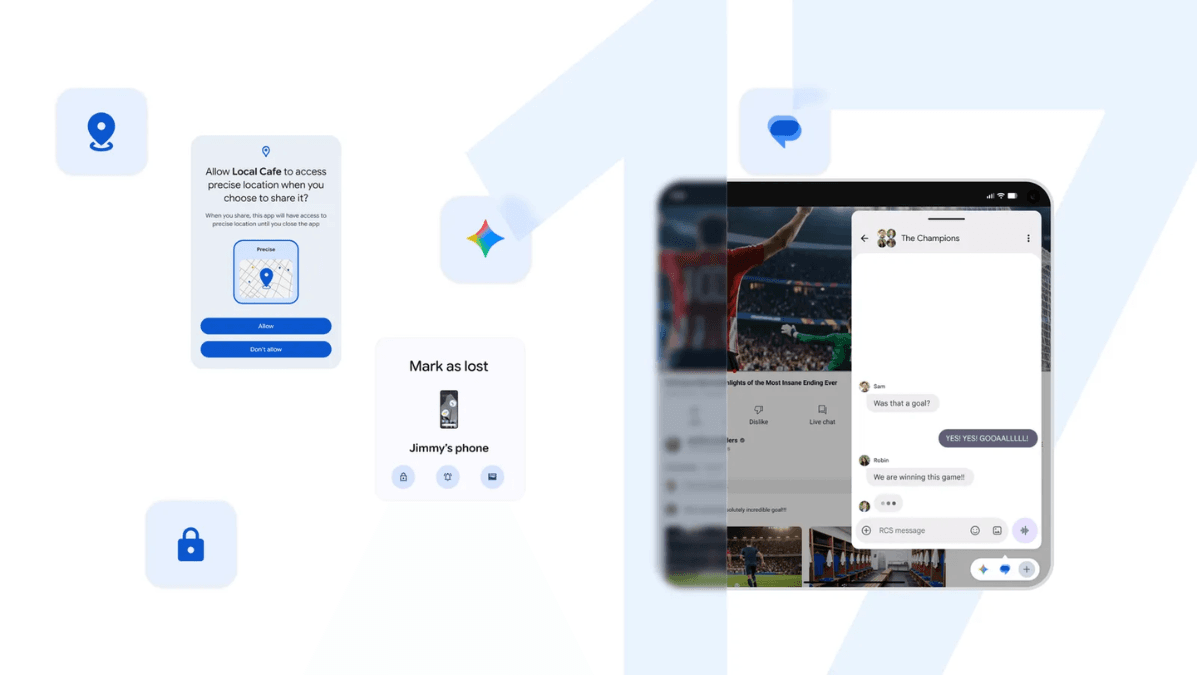
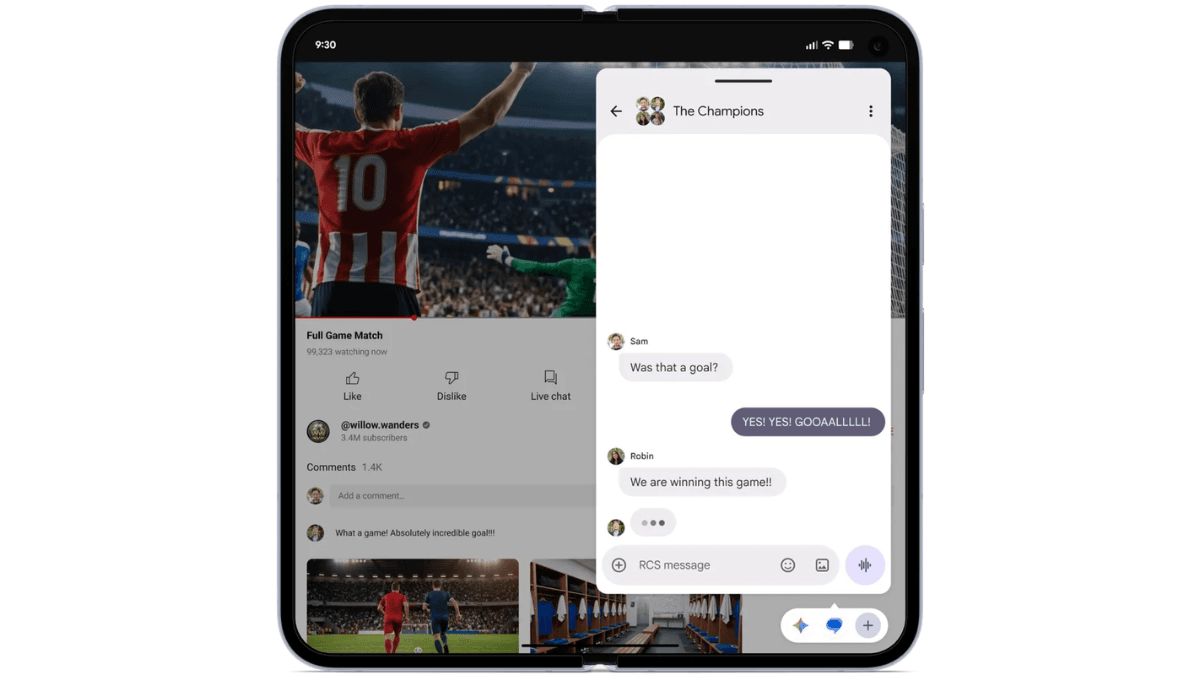
The latest update to Google’s mobile operating system fundamentally changes how it handles multitasking and device theft. Instead of forcing you to jump between full-screen applications, you can now long-press any icon to turn it into a floating window. On larger displays, these dock into a dedicated bottom bar for quick access to maps or notes without leaving your main task.
This is a global rollout starting with Pixel devices today, with broader availability across India not confirmed beyond a timeline of throughout 2026. The most practical addition is how the system handles screen recording. You can now capture your display while simultaneously recording your reaction through the selfie camera, bypassing the need for complex editing software or a green screen.
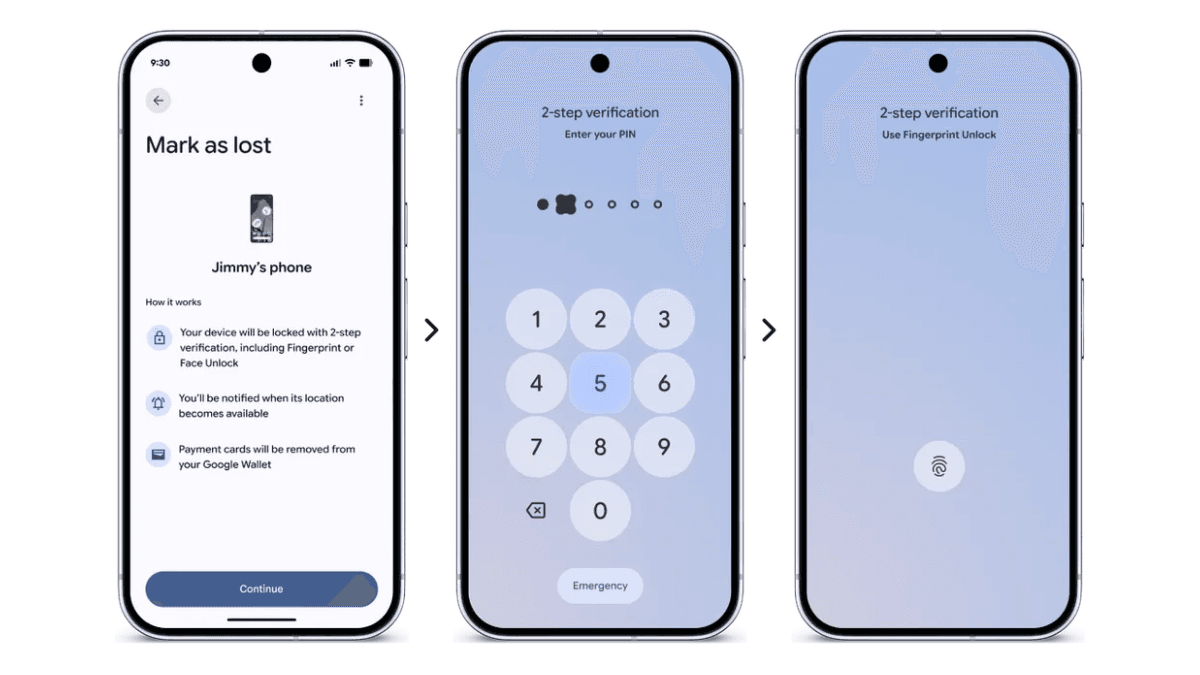
If you are wondering how to protect a stolen phone when the thief knows your PIN, the new Find Hub introduces a biometric lock feature that prevents access to your private information. The system also actively limits how many times someone can guess your passcode, adding longer mandatory wait times between failed attempts to deter forced entry.
The Snapshot
ⓘ Sponsored: Unbox Daily HQ earns a commission if you buy through these links, at no extra cost to you. Prices shown are subject to change, and the actual price on Amazon at the time of purchase may vary from what is displayed here.
| Specification | Details |
| Operating System | Android 17 |
| Developer | |
| Initial Release | Today (Pixel devices) |
| Key Features | Bubbles multitasking, Screen Reactions, Foldable gaming layout |
| Security Additions | Biometric Find Hub lock, Live Threat Detection |
| India Price | Global: System update (approx. ₹0) |
| Availability | Available globally – India: Rolling out to eligible devices throughout 2026 |
The Big Picture
Mobile operating systems have hit a plateau where aesthetic changes matter less than practical utility. While Apple’s iOS focuses on deep customisation features, Android 17 addresses genuine friction points in daily hardware usage. The introduction of strict app memory limits to preserve battery life shows a shift from adding heavy features to refining existing system performance. With the foldable market growing rapidly, native support for a 50/50 split gaming layout gives hardware makers a standardised framework, reducing their reliance on custom software skins like OxygenOS to handle split-screen mechanics.
The India Prospective
The software update costs absolutely nothing, aligning perfectly with what Indian smartphone users expect from system upgrades. Because it rolls out to eligible devices throughout 2026, you will not need to buy new hardware to get these safety tools. The biometric lockout feature is particularly useful for protecting your private data if your phone is snatched during a crowded local train or metro commute in Mumbai or Bengaluru.
The Inside Intel
The most significant upgrade happens completely out of sight. The software now enforces strict memory limits on individual applications to prevent them from consuming too much RAM. This background change directly targets unoptimised apps that drain resources, leading to noticeable improvements in both overall device performance and daily battery life without requiring any manual tracking from the user.
The Unboxed Truth
Unbox Daily HQ views this as an essential security upgrade rather than an optional feature drop. Any user with a compatible Pixel should install this immediately simply for the biometric theft protection alone. The ability to restrict an application’s access to specific contacts rather than handing over your entire address book restores much-needed privacy control. If and when this reaches broader devices in India, it is an essential system update worth tracking for heavily targeted smartphone users. It actively stops rogue apps from hoarding your RAM and keeps your physical device locked down when lost.
Best for: Pixel users who commute in crowded urban areas and need strict biometric security against phone theft.
Who Is This For: Perfect for 25 to 45-year-old working professionals in transit who multitask heavily between maps, notes, and messaging applications.
The Checkout
The Source
Google Global
The Query
The software update is rolling out first to Pixel devices today, with other eligible devices following throughout 2026. Broader availability across India is not confirmed beyond this 2026 timeline. Because it arrives as a standard system update, it costs absolutely nothing.
The new u0022Mark as lostu0022 feature in Find Hub allows you to lock a missing phone using biometrics, blocking access even if a thief has your passcode. The update also reduces the number of times someone can guess your PIN and adds longer wait times between failed attempts. Furthermore, improved Live Threat Detection actively blocks suspicious apps and scams.
It is an essential security upgrade for working professionals who commute in crowded urban areas and need strict protection against device theft. The software is highly practical for users who multitask heavily between maps, notes, and messaging applications whilst in transit. It also introduces automatic memory limits that stop background apps from draining your daily battery life.