Thursday, May 28, 2026 |Navi Mumbai
--:-- | --°C | AQI --
If it's not on Unbox Daily HQ, it's not a Launch. Every product, policy and brand launch in India. One hub. What's new?
Private giants like Jindal and ArcelorMittal are anchoring a pan-India modernisation programme for technical institutes.
The Essentials
The Pulse
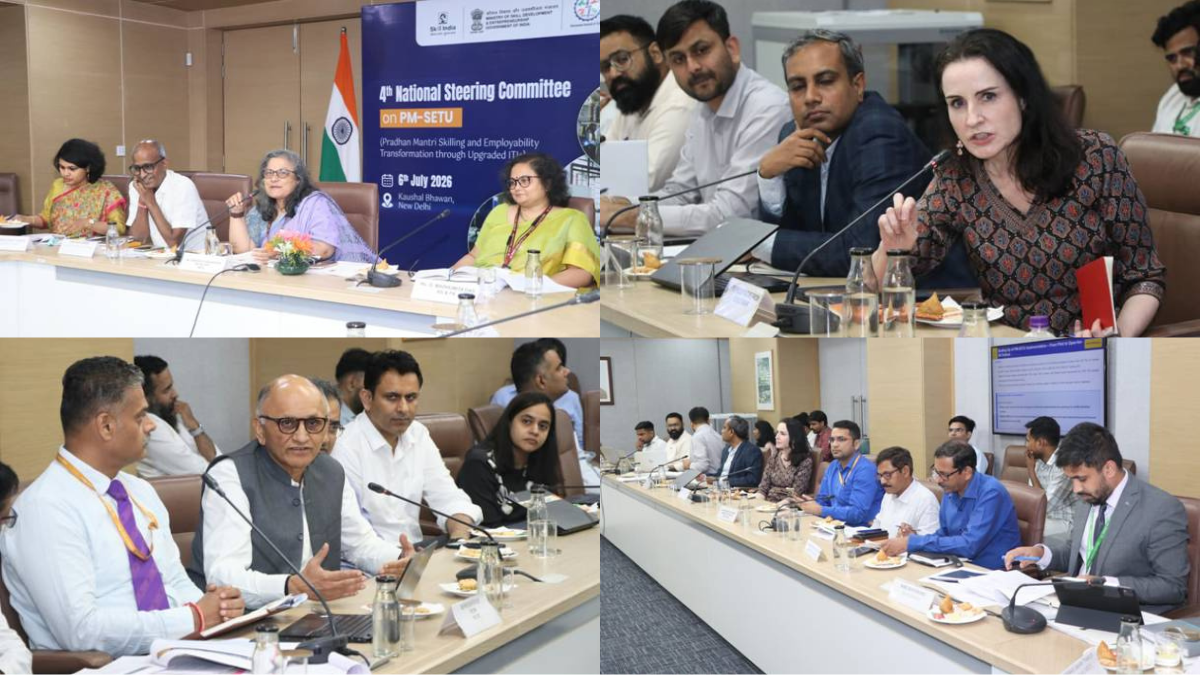
Private industries are taking direct control of training infrastructure at government technical institutes, backed by a ₹1,237.58 crore strategic investment. The PM-SETU programme moves beyond its pilot phase today, clearing the path to upgrade 200 ITI clusters nationwide.
Heavyweight manufacturers like Jindal and ArcelorMittal Nippon Steel are stepping in as anchor partners. They are not just advising; they are actively financing clusters in Odisha and Gujarat, bringing over ₹240 crore each to the table. Telangana secures three distinct clusters backed by Apollo Med-Skills, Sri Siddharth Infratech, and Neuland Foundation.
What is an ITI cluster under PM-SETU?
It consists of one central hub institute and four surrounding spoke institutes that share resources, curricula, and industry linkages. This hub-and-spoke model ensures that smaller rural training centres get the same corporate backing as the primary urban institutes. By simplifying implementation and pushing Public Sector Undertakings to participate, the Ministry aims to fix the persistent gap between what students learn and what employers actually need.
ⓘ Sponsored: Unbox Daily HQ earns a commission if you buy through these links, at no extra cost to you. Prices shown are subject to change, and the actual price on Amazon at the time of purchase may vary from what is displayed here.
The Snapshot
| Metric | Details |
| Programme | PM-SETU |
| Total Approved Investment | ₹1,237.58 crore |
| Scale | 200 ITI clusters nationwide |
| Odisha Anchor | Jindal Naveen Avsar Limited (₹240.21 crore) |
| Gujarat Anchor | ArcelorMittal Nippon Steel India (₹240.18 crore) |
| Telangana Anchors | Apollo Med-Skills, SSISPL, Neuland Foundation |
| Hub-and-Spoke Structure | 1 main ITI hub supporting 4 spoke ITIs per cluster |
The Big Picture
India produces millions of technically trained students annually yet manufacturing and healthcare sectors constantly report a severe shortage of employable talent. Previous government attempts focused on internal funding and theoretical syllabus updates. The PM-SETU model changes the equation by making the end-employers pay for and design the exact training they require. With corporate anchors directly investing in their local catchments, the state essentially outsources quality control to the market.
The India Prospective
For families relying on ITIs as a primary route to employment, this changes the value of a technical diploma. Students in places like Barbil or Hajira no longer face outdated machinery and disconnected theory. They are effectively entering a corporate talent pipeline from day one, trained on the exact equipment companies use on their shop floors. This direct linkage drastically improves the odds of immediate campus placement.
The Inside Intel
The cluster model deliberately integrates specialised institutes into broader industry pipelines. Under the Apollo Med-Skills and ArcelorMittal investments, female-exclusive centres like Government ITI Vikarabad Girls and Government ITI Surat (Mahila) are tied directly to major corporate hubs. This guarantees that women in rural technical training get the exact same corporate infrastructure access as students in the main city centres.
The Unboxed Truth
Unbox Daily HQ considers this the most practical approach to technical education the government has tabled in a decade. Putting the financial and curricular burden directly onto the industries that complain about skill shortages forces accountability on both sides. If you are a young student or a parent deciding on vocational training, these specific corporate-backed clusters are the only ITIs worth your time. The ₹1,237 crore commitment proves these companies need this workforce urgently, making these specific institutes a near-guarantee for post-training employment.
Best for: Working-class families and young adults who need immediate, reliable employment paths after their secondary education
Who Is This For: Perfect for 16 to 22-year-old vocational students in rural and semi-urban India who require industry-standard training that leads straight to a factory floor or healthcare facility
The Checkout
The Source
Ministry of Skill Development and Entrepreneurship | PIB.GOV
The Query
The total approved investment for the nationwide rollout of the PM-SETU scheme in India is ₹1,237.58 crore. This capital funds the immediate modernisation of 200 ITI clusters across the country. Anchor partners like Jindal and ArcelorMittal are contributing over ₹240 crore each to specific state clusters.
Unlike previous government attempts that relied on internal funding and theoretical syllabus updates, PM-SETU forces end-employers to co-fund and design the training. Private corporate anchors directly invest in local clusters to create a direct talent pipeline. This shifts the quality control of vocational training to the industry.
The PM-SETU scheme is highly valuable for vocational students because the massive ₹1,237 crore corporate backing creates a direct pipeline to employment. It is an ideal path for young adults who require industry-standard training that leads straight to jobs. The corporate involvement provides an immediate return on educational time.