Thursday, May 28, 2026 |Navi Mumbai
--:-- | --°C | AQI --
If it's not on Unbox Daily HQ, it's not a Launch. Every product, policy and brand launch in India. One hub. What's new?
The three-year scheme aims to take the low-fibre fruit from ₹10 farmgate pricing to premium retail shelves.
The Essentials
The Pulse
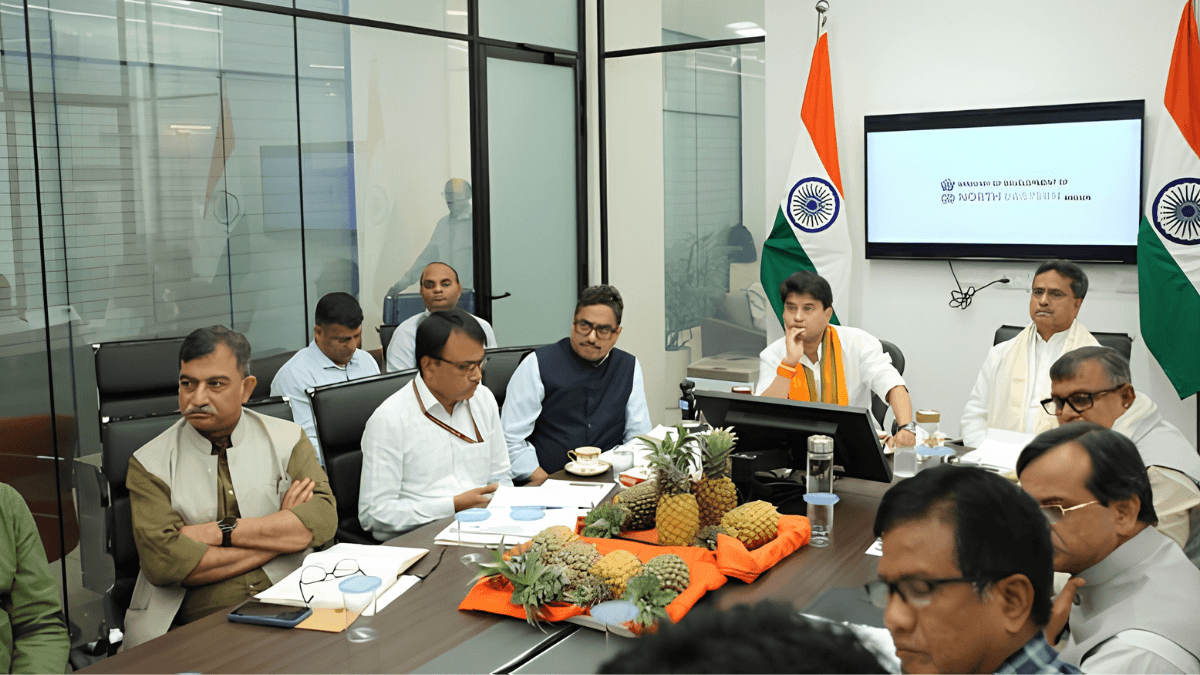
The Indian government is putting ₹236 crore behind the Tripura Queen Pineapple to fix a broken supply chain. Right now, smallholder farmers grow some of the most aromatic, low-fibre fruit in the country without chemical inputs, yet they only receive ₹6 to ₹10 per kilogram at the farmgate. The infrastructure is simply not there to get premium produce to premium markets before it spoils.
This new mission is essentially a massive logistics and processing upgrade spanning the next three years. The plan introduces a hub and spoke model, featuring a main facility near the Agartala airport and eight collection centres across major growing districts. It means the fruit you eventually see in supermarkets will benefit from solar cold storage, IoT-enabled farm monitoring, and proper refrigerated transport.
If you are wondering why you do not see Tripura pineapples in your local market as often as you should, it is because post-harvest losses and a lack of integrated cold-chain systems keep them localised. This convergence of ministries, including food processing and commerce, aims to change that reality, bringing a chemical-free, GI-tagged variety into commercial play alongside existing export-grade options.
The Snapshot
ⓘ Sponsored: Unbox Daily HQ earns a commission if you buy through these links, at no extra cost to you. Prices shown are subject to change, and the actual price on Amazon at the time of purchase may vary from what is displayed here.
| Metric | Details |
| Mission Name | Mission Queen Pineapple |
| Total Investment | ₹236 crore |
| Timeline | Q2 FY2026 to Q4 FY2028 |
| Focus Product | GI-tagged Tripura Queen Pineapple |
| Current Farmgate Price | ₹6 to ₹10 per kilogram |
| Planned Infrastructure | 1 central hub, 8 collection centres |
| Key Processing Facility | Nalkata Pineapple Processing Unit |
| Nodal Agency | Ministry of DoNER |
The Big Picture
India is the sixth-largest producer of pineapples globally, but the domestic market is heavily skewed towards standard varieties grown in southern states like Kerala. While North Eastern farmers cultivate prized cultivars, they historically lose out due to geographical isolation. By injecting structured capital into cold storage and reviving facilities like the Nalkata Processing Unit, the government is trying to turn a regional speciality into a viable national competitor. It shifts the focus from simple agriculture to an integrated business model that protects both the farmer and the final product.
The India Prospective
For an urban shopper in Mumbai or Bengaluru, this means better access to chemical-free, high-quality fruit that does not perish halfway across the country. Currently, finding a genuine Queen pineapple outside the Northeast involves paying high air-freight premiums to speciality grocers. The newly planned reefer logistics and QR-based traceability systems mean you will actually know what you are buying at standard supermarkets, ensuring the premium you pay reaches the original grower rather than middle-tier aggregators.
The Inside Intel
The bio-economy angle of this plan is quietly brilliant. Nearly 60 percent of a pineapple plant is typically discarded as waste. This initiative plans to convert those leftovers into Pineapple Leaf Fibre for textiles and extract bromelain, an enzyme used heavily in supplements and skincare. It creates an entirely separate revenue stream for rural entrepreneurs while ensuring almost nothing from the harvest goes into a landfill.
The Unboxed Truth
Unbox Daily HQ. looks at this as a necessary course correction for Indian agriculture. While you cannot buy a slice of this policy directly today, it is the exact kind of supply chain reform that dictates what ends up on your breakfast table in a year or two. The focus on reducing waste and improving cold storage means better quality control and less spoilage, which ultimately stabilises retail prices for premium produce. If you care about where your food comes from and prefer naturally grown options, start looking out for GI-branded Tripura pineapples in your local modern retail outlets.
Best for: health-conscious shoppers who prioritise traceable, chemical-free domestic produce over expensive imports
Who Is This For: Perfect for 28 to 45-year-old urban professionals in metro cities who actively seek out organic and GI-tagged food products
The Checkout
The Source
Ministry of Development of North Eastern Region | PIB.GOV.
The fruit is currently difficult to find outside the Northeast due to post-harvest losses and a lack of integrated cold-chain systems. However, the newly launched three-year mission aims to establish reefer logistics and solar cold storage to bring these pineapples to standard supermarkets nationwide by 2028. For now, availability remains limited to speciality grocers who rely on high air-freight premiums.
Unlike standard varieties grown in southern states like Kerala, the Tripura Queen Pineapple is naturally grown in hilly terrain entirely without chemical inputs. It features a unique aromatic profile, an exceptionally sweet and juicy flavour, and a distinctively low-fibre texture. The fruit also carries a GI-tagged status, which will soon be backed by digital QR-based traceability systems for consumers.
This fruit is highly recommended for health-conscious shoppers who prefer traceable, chemical-free domestic produce over expensive imports. The massive logistics upgrade means you will receive premium-quality fruit that does not perish during long-distance transit. Furthermore, the implementation of QR-based tracking ensures that the premium price you pay directly supports the original smallholder growers.