Thursday, May 28, 2026 |Navi Mumbai
--:-- | --°C | AQI --
If it's not on Unbox Daily HQ, it's not a Launch. Every product, policy and brand launch in India. One hub. What's new?
The programme aims to reach over 50 vocational and community institutions across regions like Karnataka and Maharashtra.
The Essentials
The Pulse
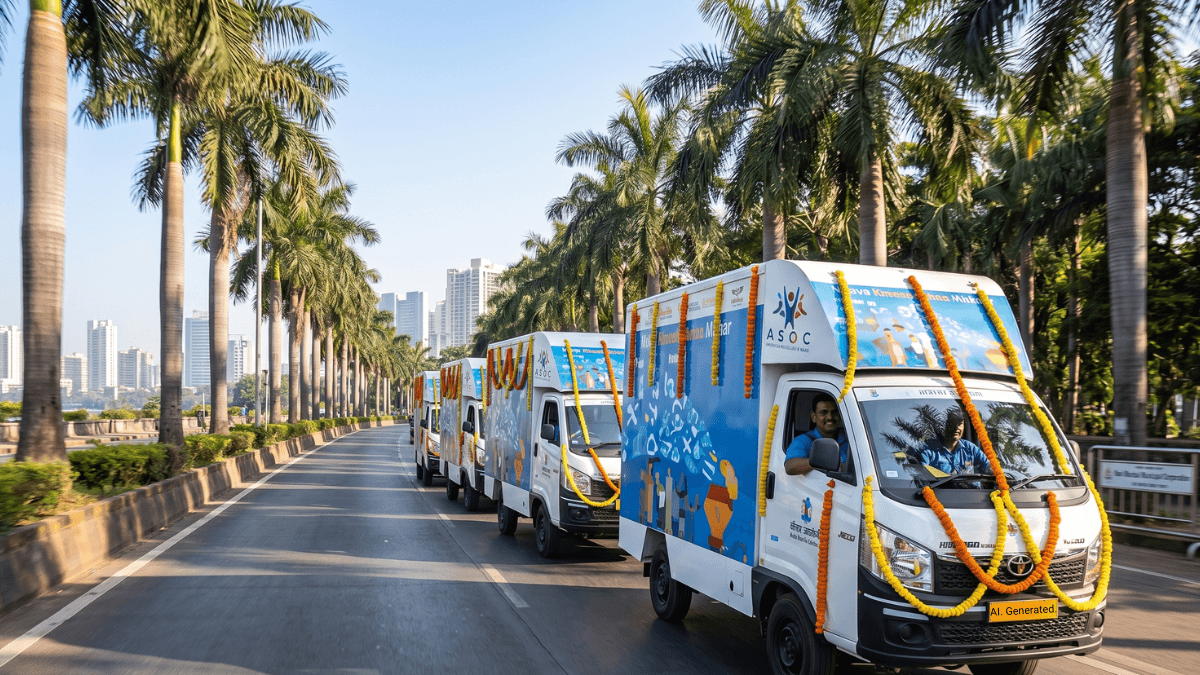
Dell and the Indian government are sending five new solar-powered tech vans into Uttar Pradesh, the Delhi capital region, Karnataka, Telangana, and Maharashtra. These mobile hubs are designed to teach digital literacy and practical tech skills where permanent infrastructure might not exist. Rather than expecting students to travel miles to city centres, the programme parks interactive screens and internet-connected laptops right at their local community institutions.
Are these units just dropping off computers for casual use? No, the vans deliver structured employability pathways and customised modules meant to prepare youth for upcoming market demands. The initiative operates in direct partnership with the National Skill Development Corporation and the Learning Links Foundation to ensure the training translates into actual jobs.
By powering the units entirely with renewable energy, the programme bypasses local power grid unreliability. This means participants can focus strictly on learning rather than worrying about scheduled power cuts interrupting their sessions. The addition of artificial intelligence tools ensures rural students are not left behind in the current tech wave.
The Snapshot
ⓘ Sponsored: Unbox Daily HQ earns a commission if you buy through these links, at no extra cost to you. Prices shown are subject to change, and the actual price on Amazon at the time of purchase may vary from what is displayed here.
| Feature | Detail |
| Initiative | Solar Community Hub Skill Vans |
| Partners | Dell Technologies, NSDC, Learning Links Foundation |
| Target Regions | UP, Delhi/NCR, Karnataka, Telangana, Maharashtra |
| Core Hardware | Laptops, interactive screens, internet connectivity |
| Power Source | Renewable solar energy |
| India Beneficiaries | 2.67 million reached since FY23 |
| Global Footprint | 63 vans operating across 12 countries |
| Price for Users | Free community service |
The Big Picture
India’s push to create a modern workforce often stalls outside major tech hubs due to hardware and connectivity limitations. While companies like Reliance Jio have driven cheap mobile data penetration across rural areas, access to actual computing hardware and structured artificial intelligence training remains low. Mobile skilling units bridge this physical gap. By converting vans into mobile classrooms, corporate programmes bypass the years required to build brick-and-mortar vocational centres, delivering immediate tech exposure to areas that traditional educational infrastructure has not yet reached.
The India Prospective
While a working professional in Bengaluru might not need a mobile skilling van, this programme directly impacts the entry-level talent pool Indian companies will hire from in the coming years. By standardising tech education in places like rural Maharashtra and Uttar Pradesh, initiatives like this determine whether the next generation of workers will require heavy corporate training or arrive ready for modern digital workspaces.
The Inside Intel
Dell’s mobile skilling concept is not an experimental pilot created just for the Indian market. The company currently operates 63 of these community vans across 12 different countries. In India specifically, the programme has already reached 18 districts across 14 states since the 2023 financial year, adapting the model to meet underserved communities wherever their existing physical infrastructure falls short.
The Unboxed Truth
Unbox Daily HQ views this as a vital project worth tracking for anyone involved in corporate hiring or public policy. While there is no financial cost for the beneficiaries, the investment of time is completely justified for rural students gaining free access to modern computing hardware. The strict focus on artificial intelligence and structured employability, rather than just basic typing skills, makes this a massive upgrade over older digital literacy drives.
Best for: Corporate recruiters and policy watchers who need to understand where India’s next wave of technically trained talent is coming from.
Who Is This For: Perfect for 28 to 55-year-old professionals in management or human resources who monitor workforce development.
The Checkout
Dell Technologies – India Page
The Source
Dell Technologies India
These training modules are provided entirely as a free community service for learners in under-resourced areas. There is no financial cost for the beneficiaries who participate in the programme.
While Reliance Jio has driven cheap mobile data penetration across rural areas, these mobile units bridge the physical gap by providing actual computing hardware. They deliver laptops, interactive screens, and structured artificial intelligence training directly to local institutions. The vans also run on renewable solar energy to bypass local power grid unreliability.
The initiative is specifically designed for youth, women, and underserved populations at vocational and higher education institutions. It currently serves targeted regions across five states, including Karnataka and Maharashtra. The programme is ideal for students needing free access to laptops, internet connectivity, and artificial intelligence tools.