Thursday, May 28, 2026 |Navi Mumbai
--:-- | --°C | AQI --
If it's not on Unbox Daily HQ, it's not a Launch. Every product, policy and brand launch in India. One hub. What's new?
The King Kargo HD EV brings a 457 kg payload to IndianOil's massive neighbourhood distribution network.
The Essentials
The Pulse
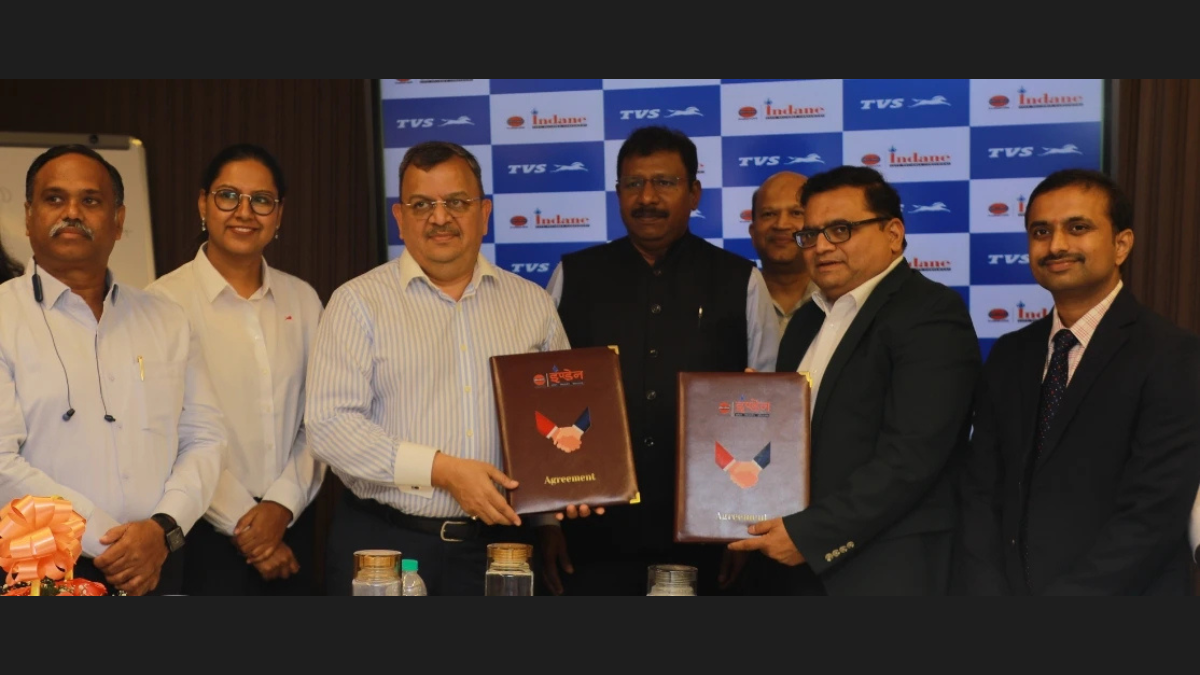
TVS Motor initiates the first phase of electric cargo vehicle deliveries to IndianOil distributors following an agreement signed in Coimbatore. The deployment targets a massive supply chain, intending to reach a network of over 13,000 LPG distributors nationwide.
Why is cooking gas delivery shifting to electric mobility?
The constant stop-and-start nature of doorstep cylinder distribution heavily drains internal combustion engines, making electric cargo vehicles functionally superior for this specific route pattern. The transition to the electric platform aims to lower the total cost of ownership for distributors while increasing daily fleet productivity.
This business-to-business deployment moves beyond consumer electric scooters to address industrial carbon footprints at the neighbourhood level. The focus rests entirely on operational efficiency and profitability for the distributor network, aligning commercial transport with national clean mobility targets. Fleet owners benefit directly from reduced running costs compared to traditional fuel equivalents.
ⓘ Sponsored: Unbox Daily HQ earns a commission if you buy through these links, at no extra cost to you. Prices shown are subject to change, and the actual price on Amazon at the time of purchase may vary from what is displayed here.
The Breakdown
The TVS King Kargo HD EV operates on an 8.86 kWh lithium iron phosphate battery paired with a permanent magnet synchronous motor. The architecture supports a 457 kg payload capacity upon a 6.6-foot load deck, a critical dimensional specification for transporting high-density steel LPG cylinders without structural fatigue. A rear leaf spring suspension manages this concentrated weight over uneven urban roads. The electric hauler delivers a certified range of 156 km, covering an average urban distribution loop on a single charge. When depleted, the system regains full capacity in just over three hours. A 500 mm water-wading capacity ensures deliveries continue during Indian monsoons.
The Distinction
The primary differentiator of this partnership is the structural shift in how heavy-load last-mile logistics operate in residential areas. Competing commercial electric vehicle deployments often focus on e-commerce parcels or light grocery delivery. This initiative retrofits the traditional, heavy LPG cylinder supply chain with the TVS King Kargo HD electric platform. By replacing diesel cargo runners with purpose-built electric haulers capable of managing high-density loads, it introduces actual green logistics into a historically carbon-heavy sector.
The Snapshot
| Specification | Details |
| Vehicle Platform | TVS King Kargo HD EV |
| Partner | Indian Oil Corporation Limited |
| Battery Architecture | 8.86 kWh Lithium Iron Phosphate |
| Payload Capacity | 457 kg |
| Certified Range | 156 km |
| Charging Time | 3 hours 10 minutes |
The Big Picture
Electric three-wheelers dominate India’s commercial EV transition, yet heavy-duty delivery remains reliant on diesel. While companies like Mahindra currently lead the electric cargo segment with models like the Treo Zor, the cooking gas distribution network has been slow to adopt electric alternatives due to payload concerns. This specific rollout addresses that gap directly. Moving high-density cargo like metal LPG cylinders requires high-torque electric platforms, pushing the commercial EV market beyond lightweight e-commerce delivery and into heavy neighbourhood logistics.
The India Prospective
For the Indian consumer, this commercial transition means the familiar, noisy diesel autorickshaws delivering cooking gas cylinders will gradually disappear from residential lanes. It replaces vehicular noise and localised exhaust fumes with silent doorstep drops. For fleet operators managing these deliveries, the shift from rising commercial diesel prices to standard industrial electricity tariffs significantly alters their monthly fuel expenditure and operational margins.
The Inside Intel
Behind the commercial vehicle deployment lies an industrial quality benchmark rarely discussed in the cargo space. TVS Motor operates four manufacturing facilities across India and Indonesia and holds a unique distinction in its sector. It remains the only two-wheeler manufacturer globally to have won the Deming Prize, a highly rigorous Japanese quality standard usually reserved for automotive heavyweights.
The Unboxed Truth
Unbox Daily HQ considers this a critical upgrade for Indian neighbourhood logistics, not because of consumer appeal, but because it actively removes diesel pollution from daily residential delivery routes.
This matters most for commercial fleet operators managing high-density payloads across short, repetitive neighbourhood loops. While retail pricing for the TVS King Kargo HD remains a business-to-business variable, substituting daily diesel purchases with overnight electric charging mathematically guarantees lower monthly overheads. For a distributor moving heavy steel cylinders daily, the total cost of ownership tips heavily in favour of this electric transition.
The single factor separating this from standard electric vehicle news is the sheer scale of the IndianOil network. Deploying an electric cargo solution to a potential 13,000-strong distributor base moves green mobility from a niche concept to standard operational procedure in every Indian locality.
Best for: IndianOil distributors and urban delivery fleet operators who manage heavy-payload logistics on fixed neighbourhood loops.
Who Is This For: Perfect for 35 to 55-year-old logistics managers and LPG agency owners in urban centres who need to cut their monthly transport fuel overheads.
The Checkout
The Source
TVS Motor Company
The Query
The exact India price for the TVS King Kargo HD EV is not yet confirmed because it is a commercial business-to-business deployment. Initial vehicle deliveries are currently underway to IndianOil distributors in Coimbatore as part of a long-term commercial logistics partnership. This rollout targets a massive national network of over 13,000 cooking gas distributors.
The TVS King Kargo HD EV focuses specifically on high-density last-mile LPG cylinder distribution rather than lightweight e-commerce parcels. It features a 457 kg payload capacity and an 8.86 kWh lithium iron phosphate battery. This heavy-duty architecture directly addresses payload concerns that previously slowed electric adoption in cooking gas logistics.
This electric three-wheeler is designed for urban LPG agency owners and logistics managers who handle heavy-payload distributions on fixed neighbourhood loops. Substituting daily diesel expenses with overnight electric charging mathematically guarantees lower monthly operational overheads. It provides an honest financial transition for high-density transport fleets.