Thursday, May 28, 2026 |Navi Mumbai
--:-- | --°C | AQI --
If it's not on Unbox Daily HQ, it's not a Launch. Every product, policy and brand launch in India. One hub. What's new?
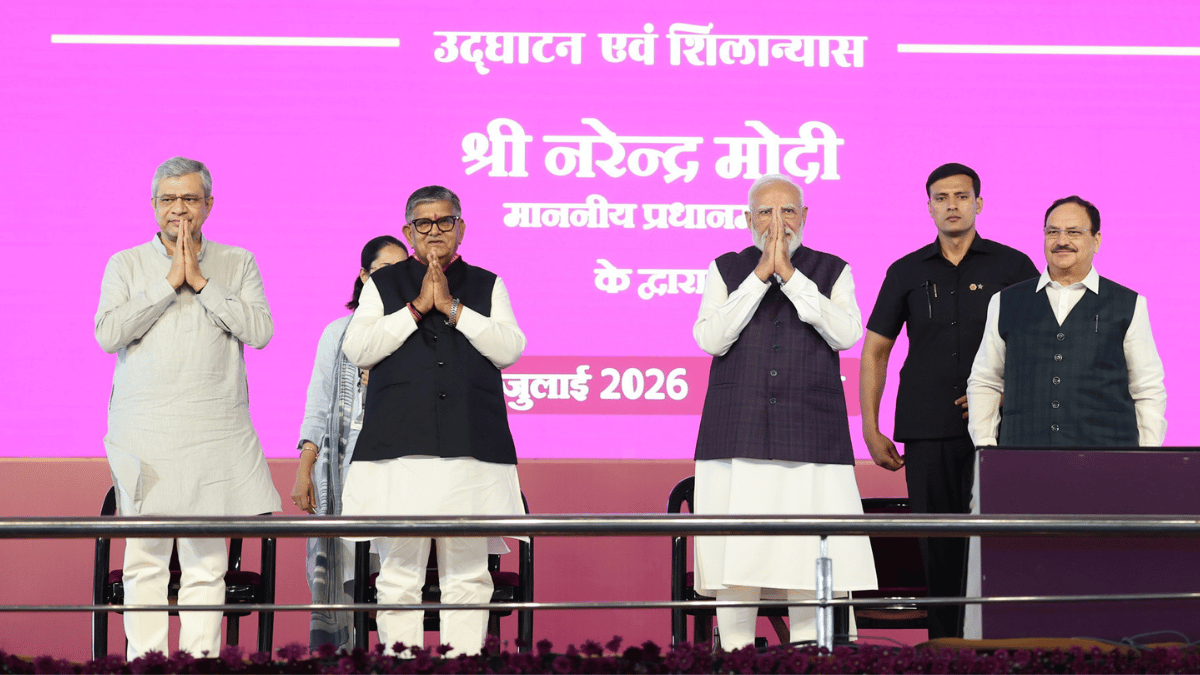
Chandigarh and Haryana activate comprehensive healthcare, regional transit, and smart urban infrastructure projects.
The Essentials
The Pulse
Chandigarh PGI now operates three distinct new facilities: an Advanced Neurosciences Centre, an Advanced Mother and Child Centre, and a Critical Care Hospital Block. This expansion directly answers the growing medical capacity requirements across northern India.
The simultaneous activation of the Haryana section of the Delhi–Amritsar–Katra Expressway alters regional transit patterns. How do the new road networks impact daily mobility? The Jind–Gohana National Highway opens immediately, establishing Jind as a district connected by five separate national routes, while a new six-lane greenfield highway clears the congestion bottlenecks historically affecting Mohali and Kharar.
These physical upgrades arrive alongside a digital modernisation programme in Chandigarh itself. The city activates an Integrated Command and Control Centre to manage smart traffic, digital governance, and smart parking across the urban grid.
The Breakdown
ⓘ Sponsored: Unbox Daily HQ earns a commission if you buy through these links, at no extra cost to you. Prices shown are subject to change, and the actual price on Amazon at the time of purchase may vary from what is displayed here.
The physical rollout spans multiple regional sites. In Haryana, Pandit Neki Ram Sharma Medical College opens in Bhiwani, while Maharishi Chyavan Medical College and Rao Tularam Hospital begin operations in Narnaul. Chandigarh PGI gains approval for a new MBBS college to increase medical education seats locally.
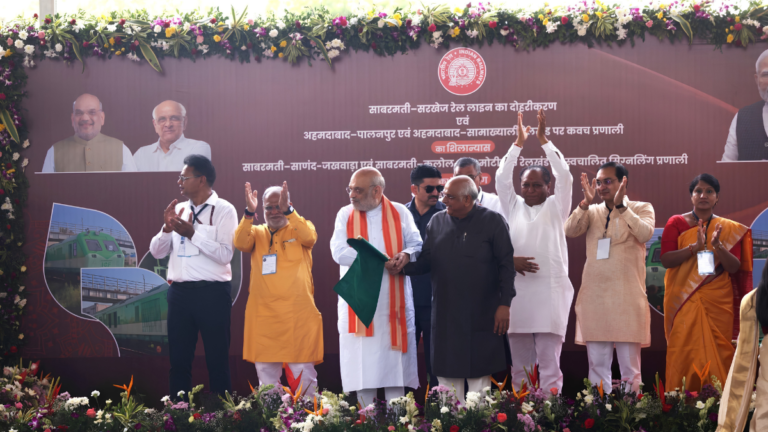
Student housing expands through the Kurukshetra Boys Hostel at Punjab Engineering College, a new Government College hostel in Sector-46, and foundational work for a dedicated Research Scholars Hostel. Road networks see the Ambala–Kala Amb four-lane road open for Haryana-Himachal transit, alongside early construction on the Ambala–Chandigarh Greenfield Highway’s PR-7 Spur. Regional railway connectivity receives operational updates in Jalandhar, and Kurukshetra gains a new Sikh Museum dedicated to preserving heritage.
The Distinction
The primary differentiator of this regional development is the structural coupling of high-capacity medical facilities with expanded transit corridors. Standard municipal upgrades usually address these sectors in isolation. By activating specialised neurosciences and critical care centres alongside expressway expansions like the Delhi–Amritsar–Katra segment, the infrastructure scales accessibility and capacity simultaneously. This approach turns Chandigarh and the surrounding Haryana districts into an integrated functional zone where emergency services and daily commutes benefit directly from the same physical network expansion.
The Snapshot
| Infrastructure Segment | Project Details | Location |
| Healthcare Facilities | Three advanced care centres and new MBBS college | Chandigarh PGI |
| Medical Education | Two new medical colleges dedicated | Bhiwani and Narnaul |
| Highway Expansion | Six-lane greenfield highway (IT City to Kurali) | Mohali / Kharar |
| Expressway Network | Delhi–Amritsar–Katra Expressway section | Haryana |
| Transit Node | Jind–Gohana NH (Jind connected by five NHs) | Jind |
| Urban Modernisation | Smart traffic, parking, and digital governance | Chandigarh |
| Heritage | Sikh Museum foundation stone laid | Kurukshetra |
The Big Picture
Northern India has historically faced severe traffic friction around its administrative capitals, coupled with saturated central medical facilities. By decentralising medical education to Narnaul and Bhiwani while increasing Chandigarh PGI’s highly specialised wings, the region adopts the integrated development models seen in western Indian transit corridors. The simultaneous activation of smart city governance and physical four-lane and six-lane expressways marks a clear transition from isolated municipal building to proactive inter-state regional planning.
The India Prospective
For Indian professionals navigating the Delhi-Chandigarh corridor, these combined projects translate directly into reduced commute times and faster medical access. The six-lane IT City highway improves the physical logistics of reaching the airport, benefiting domestic business travellers. Expanding MBBS seats locally at PGI and opening new medical colleges in Haryana actively addresses the national requirement for qualified medical practitioners operating beyond the central metros.
The Inside Intel
For nearly five decades following 1967, Chandigarh PGI operated its entire neurology and neurosurgery departments with just 25 dedicated beds. The newly activated ₹440-crore Advanced Neurosciences Centre finally shatters this historical capacity ceiling. By consolidating neuro-critical care, surgery, and advanced diagnostics under a single roof, the regional medical hub transitions from managing severe historical space limitations to operating as a modern, high-capacity surgical network for northern India.
The Unboxed Truth
Unbox Daily HQ considers this multi-tiered infrastructure rollout a vital structural correction for northern India, not just because of the financial scale, but because it actively resolves the daily friction of living and commuting in the Punjab-Haryana-Chandigarh belt. For a 34-year-old logistics operator routing daily shipments through Mohali, or a family requiring urgent neuro-care without navigating gridlocked airport roads, these interconnected projects return hours of lost time.
Backing critical care expansion with direct expressway development means the new medical facilities remain accessible even during peak transit hours. The integration of smart traffic management ensures the urban grid can handle the increased regional flow. Indian citizens tracking regional development should view this approach as the correct standard for functional urban expansion.
Best for: Regional commuters and families in the Punjab-Haryana transit corridor who require faster inter-city highway access and expanded medical capacity.
Who Is This For: Perfect for 28 to 55-year-old professionals and residents in northern India who frequently navigate the central highway routes and rely on the region’s central healthcare systems.
Chandigarh Administration – Official Portal
The Source
PIB.GOV
The Query
The healthcare facilities at Chandigarh PGI and major road corridors, including the Jind-Gohana National Highway, are now fully operational in India following their official inauguration. Additional projects, such as the Ambala-Chandigarh PR-7 Spur, have entered the active construction phase.
Unlike standard municipal upgrades that address public works in isolation, this regional development structurally couples high-capacity medical facilities with expanded transit corridors. It links critical care expansion directly with major highway routes to ensure emergency services remain accessible during peak travel hours.
These infrastructure projects are best for 28 to 55-year-old professionals and residents in northern India who frequently navigate central highway routes and rely on regional healthcare systems. The integration of smart traffic management and expanded hospital capacity actively reduces daily travel friction and medical transit times.