Thursday, May 28, 2026 |Navi Mumbai
--:-- | --°C | AQI --
If it's not on Unbox Daily HQ, it's not a Launch. Every product, policy and brand launch in India. One hub. What's new?
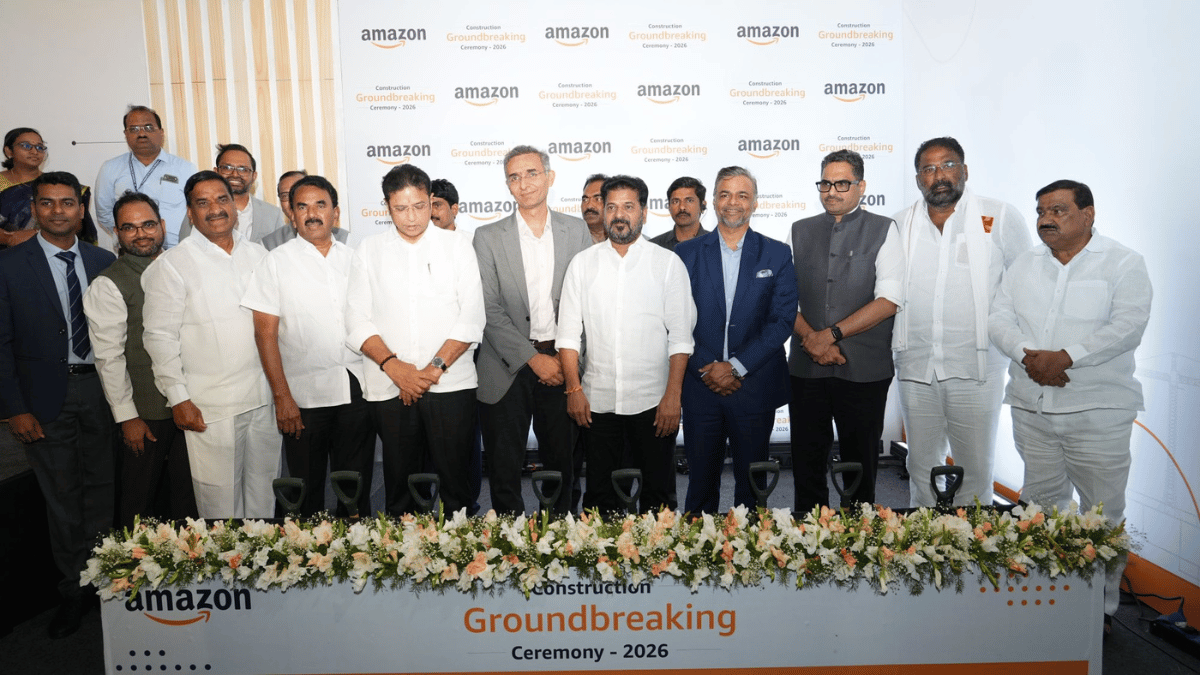
The new Hyderabad facility anchors a strategy to inject $21 billion into domestic servers and technical talent by 2030.
The Essentials
The Pulse
AWS is expanding its Asia Pacific Hyderabad Region to absorb a $21 billion infrastructure push running through 2030. This structural expansion signals an aggressive shift in how foreign capital views domestic digital demand. Amazon previously spent over $1.3 billion on regional cloud capability leading up to 2025. The new financial commitment effectively multiplies that baseline sixteen times over the next four years.
What does the AWS expansion in Hyderabad actually do?
It builds the physical server capacity required to support domestic artificial intelligence development, providing Indian engineers with low-latency access to advanced computing tools.
The state government actively fast-tracked the site in Bharat Future City, supplying the clean energy and industrial framework required to host hyperscale operations. This development moves beyond hardware, directly targeting the talent supply chain. The site expansion ties into a local skilling programme that recently trained 250 engineering students in Telangana, 110 of whom transitioned immediately into critical operations roles handling the physical maintenance of these newly established server networks.
ⓘ Sponsored: Unbox Daily HQ earns a commission if you buy through these links, at no extra cost to you. Prices shown are subject to change, and the actual price on Amazon at the time of purchase may vary from what is displayed here.
The Breakdown
The physical infrastructure relies on large-scale server halls designed to house custom AI processing units and managed cloud hardware. These critical facilities require specialised electrical systems, precise cooling controls, and commercial-grade fire protection to maintain continuous uptime for millions of end-users. Operational stability depends on a diverse engineering workforce handling end-to-end maintenance, from electrical load balancing to securing physical network infrastructure. The site actively employs technical specialists trained in critical facilities management and compute operations, ensuring the hardware running the regional cloud avoids thermal throttling or power-related downtime during intensive processing tasks.
The Distinction
The primary differentiator of this facility is the direct, localised integration of artificial intelligence computational hardware on Indian soil. While competing regional data hubs often focus strictly on basic storage and traditional cloud computing, this Hyderabad node provisions access to custom AI chips and managed machine learning services. This architectural choice removes the latency and data sovereignty hurdles domestic startups face when routing complex workloads through overseas servers. It actively anchors the computational backbone required for the India AI Mission, processing demanding tasks locally rather than acting as a mere storage relay.
The Snapshot
| Project | AWS (Asia Pacific) Hyderabad Region Expansion |
| Operating Entity | Amazon Web Services (AWS) |
| Location | Bharat Future City, Hyderabad, Telangana |
| Total India Cloud Budget | $21 billion (2026–2030) |
| Previous Regional Spend | Over $1.3 billion (by 2025) |
| Core Hardware Focus | Custom AI chips and managed cloud services |
| Skilling Milestone | 250 students trained in Telangana (110 hired) |
The Big Picture
Domestic AI development is currently bottlenecked by the availability of localised computing power. Microsoft Azure and Google Cloud actively bid for large enterprise contracts across India, pushing the need for hyperscale infrastructure closer to end-users. By multiplying its capital allocation in Telangana, Amazon deliberately moves to command the physical server space required by Indian generative AI startups. This facility ensures that as the national digital economy scales, the raw computational heavy lifting remains tethered to Amazon’s proprietary hardware rather than migrating to competing platforms.
The India Prospective
For domestic enterprise builders and tech professionals, this facility radically alters local opportunity. Startups building artificial intelligence products now gain access to high-tier computational hardware without routing data outside national borders, fulfilling strict domestic compliance mandates. Simultaneously, the aggressive local skilling programme offers engineers in Telangana direct employment pathways into critical facility management, shifting technology jobs away from purely software-based roles into physical infrastructure maintenance.
The Inside Intel
The technical workforce keeping these servers online does not strictly come from traditional computer science backgrounds. The new Hyderabad operations team actively recruits professionals from high-stress industrial environments. Recent hires managing these critical electrical and cooling systems include a retired Indian Army Air Defence Major and heavy machinery specialists who transitioned from traditional paper manufacturing plants, proving that military precision and industrial power management translate directly into cloud infrastructure engineering.
The Unboxed Truth
Unbox Daily HQ considers this expansion the most critical physical development for domestic technology startups this year, not because of the monetary figure, but because local hardware removes the primary barrier to entry for complex machine learning projects. For a 32-year-old technical founder building generative artificial intelligence in Bengaluru, routing training data through foreign servers creates unacceptable latency and compliance risks. While the $21 billion national budget operates at a scale far beyond a consumer price tag, the immediate worth is measured in operational speed for businesses. A startup paying for AWS computing time now gets the processing capability of custom AI chips housed safely within Indian borders, avoiding the steep data transfer fees and regulatory hurdles associated with offshore cloud routing. The single factor separating this from a standard corporate office expansion is the direct hardware advantage; it turns local real estate into the exact computational engine domestic developers require to compete globally.
Best for: A technical founder or enterprise IT director who requires low-latency processing for complex machine learning tasks.
Who Is This For: Perfect for 30 to 48-year-old enterprise architects in India who manage strict data sovereignty compliance while scaling intensive computational workloads.
The Checkout
Amazon Web Services – India Infrastructure
The Source
Amazon Web Services
The Query
Amazon is investing over $21 billion in cloud and AI infrastructure in India from 2026 to 2030. This capital funds the physical expansion of the AWS Hyderabad Region in Bharat Future City. The infrastructure scaling follows a previous regional spend of over $1.3 billion completed by the end of 2025.
This facility provides direct, localised access to custom AI chips and managed machine learning services on Indian soil. While competitors route complex workloads through overseas servers, this architecture keeps data within national borders. It removes latency and data sovereignty hurdles for domestic enterprise platforms scaling intensive computational tasks.
Yes, this infrastructure is highly valuable for domestic technology builders requiring low-latency processing. It eliminates the steep data transfer fees and regulatory compliance risks associated with offshore cloud routing. The facility is ideal for enterprise architects who manage strict data sovereignty mandates while training intensive machine learning models.