Thursday, May 28, 2026 |Navi Mumbai
--:-- | --°C | AQI --
If it's not on Unbox Daily HQ, it's not a Launch. Every product, policy and brand launch in India. One hub. What's new?
The NeSDA 2025 framework introduces tracking for Ministry of Corporate Affairs services alongside local utilities.
The Essentials
The Pulse
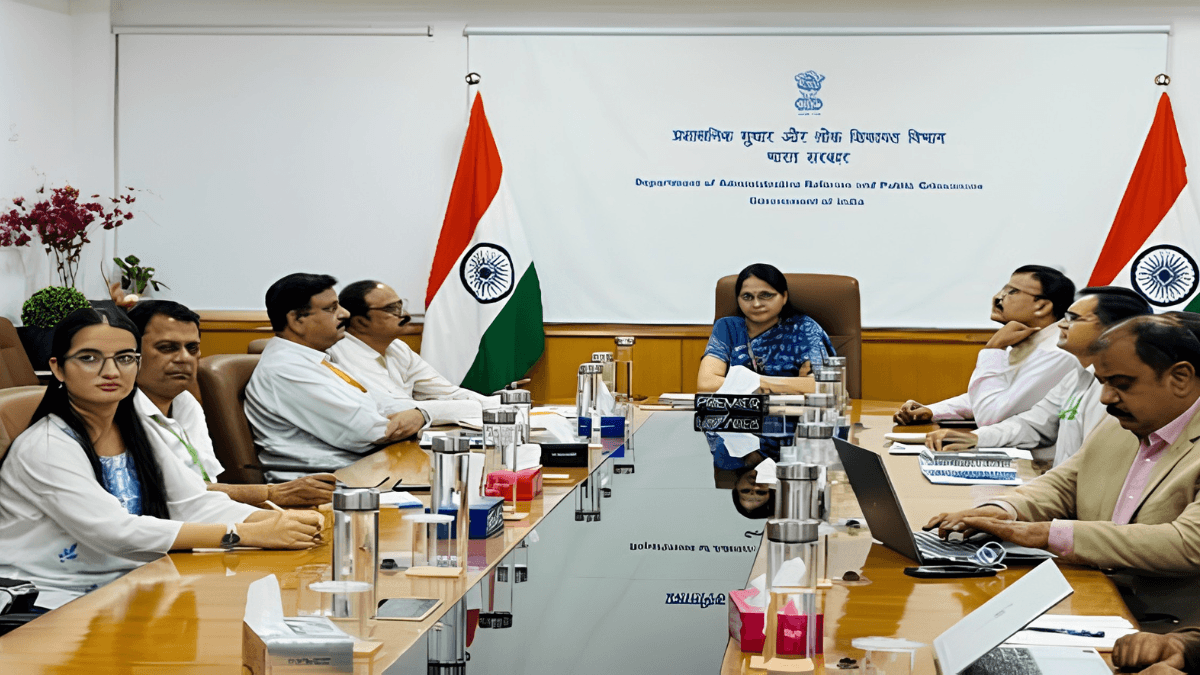
The Indian government has activated a massive evaluation tool to figure out exactly how well states and central ministries deliver digital services to citizens. The Department of Administrative Reforms and Public Grievances opened the NeSDA 2025 portal on 25 May 2026 to start collecting data directly from state nodal officers.
You might be wondering what exactly this assessment measures. The framework evaluates government portals across sectors like finance, transport, and utilities based on accessibility, privacy, ease of use, and whether you can actually track a service request once you submit it.
This biennial check-up relies on the UN e-Government Survey index but is heavily customised for India’s federal structure. By forcing states to submit data on their digital delivery, the central government creates a direct comparison of who is actually serving citizens effectively online and who is lagging. The goal is straightforward: find the gaps in public digital infrastructure and push local governments to adopt better practices for everyday citizen interactions.
The Snapshot
ⓘ Sponsored: Unbox Daily HQ earns a commission if you buy through these links, at no extra cost to you. Prices shown are subject to change, and the actual price on Amazon at the time of purchase may vary from what is displayed here.
| Feature | Detail |
| Assessment Framework | NeSDA 2025 |
| Managing Body | DARPG |
| Rollout Date | 25 May 2026 |
| State Mandatory Services | 59 |
| Central Mandatory Services | 43 |
| New Sector Addition | Ministry of Corporate Affairs |
| Evaluation Basis | UN e-Government Survey Online Service Index |
The Big Picture
Measuring digital governance has moved from checking if a website exists to evaluating if the service actually works. While private platforms like MakeMyTrip set high expectations for digital user experience in India, state portals often fall behind on basic privacy and status tracking. By borrowing metrics from the UN e-Government Survey, this framework creates a structured report card. It forces a public comparison, giving states a clear metric to chase as they digitise local administration and compete for the reputation of being citizen-friendly.
The India Prospective
For the average resident paying water bills or applying for a driving licence online, this framework matters because it targets the actual friction points of Indian bureaucracy. Instead of just looking at whether a form is online, the assessment specifically checks if you can track your request status and if your data remains private. It directly addresses the frustration of uploading documents into a black hole.
The Inside Intel
The 2025 framework expands its scrutiny to include the Ministry of Corporate Affairs for the first time. This means business registrations and corporate filings are now subject to the same user-experience and accessibility standards as local utility payments and public transport services, marking a shift towards evaluating business-to-government interactions alongside citizen services.
The Unboxed Truth
Unbox Daily HQ. views this not as a product you can buy, but as a crucial accountability mechanism you should follow. If you interact with state machinery for taxes, employment, or corporate filings, the results of this assessment will dictate how those digital interfaces evolve. The true value here is the pressure it applies to local governments to fix broken links and opaque processes. Keep an eye out for the final rankings to see if your state actually invests in a functional digital experience or just pays lip service to e-governance.
Best for: Citizens and business owners who frequently rely on government portals for administrative tasks.
Who Is This For: Perfect for 28 to 55 year old working professionals in India who want less friction when dealing with municipal and state digital services.
The Checkout
The Source
DARPG | PIB.GOV.
The portal was activated on 25 May 2026 during a meeting with state and central nodal officers to begin data collection. While it functions as a backend instrument for governments to submit data, the assessment directly impacts the public by grading the services citizens use.
Unlike basic trackers that merely check if a website exists, this framework evaluates the actual maturity, privacy, and ease of use of online services. It specifically assesses critical friction points like whether a citizen can track the status of an active request or if their data remains secure.
This framework is important for working professionals and business owners who frequently rely on state or central portals for taxes, licensing, and corporate filings. The final report card applies direct pressure on lagging local administrations to fix broken digital infrastructure and improve user experience.