Thursday, May 28, 2026 |Navi Mumbai
--:-- | --°C | AQI --
If it's not on Unbox Daily HQ, it's not a Launch. Every product, policy and brand launch in India. One hub. What's new?
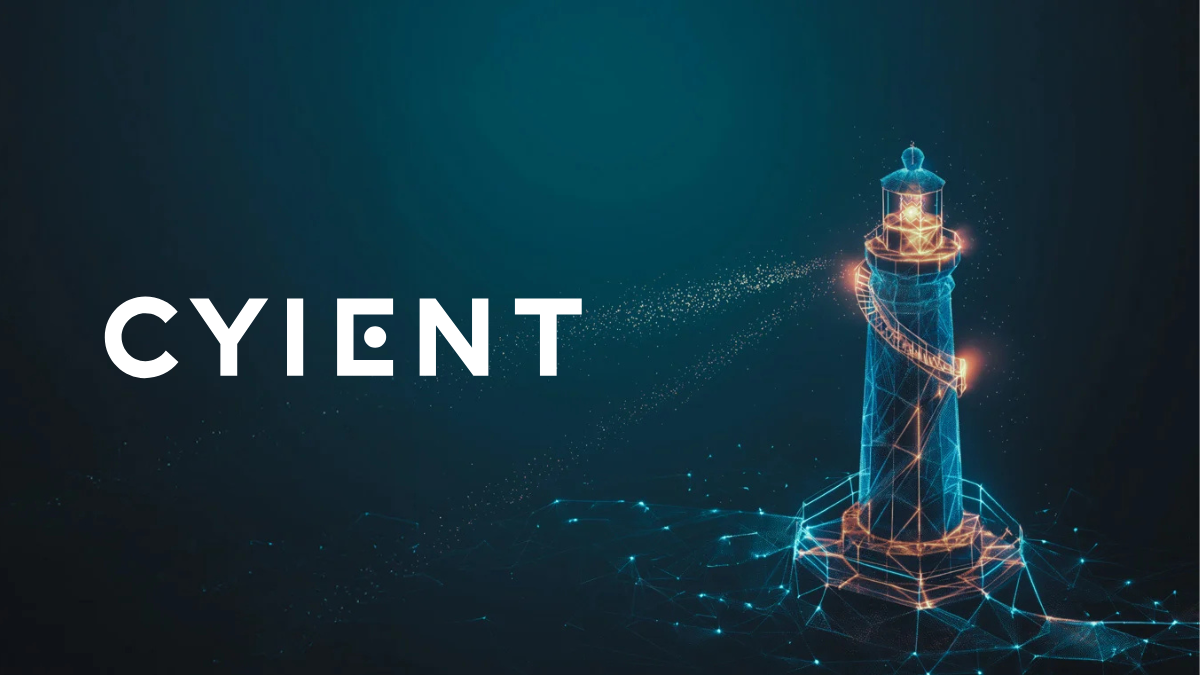
Cyient Semiconductors is releasing seven 650V GaN chips to make chargers smaller and AI data centres more efficient.
The Essentials
The Pulse
Cyient Semiconductors is bringing India’s first domestic family of Gallium Nitride (GaN) power ICs to the market. While companies like Apple and Samsung already use GaN for their compact fast chargers, those chips are almost entirely imported. This release, built on Navitas technology, shifts the supply chain for Indian manufacturers who want to build their own hardware.
GaN is the material that allows a 65W laptop charger to fit in your pocket without overheating. By handling 650V and offering lower conduction losses, these seven new chips target more than just mobile accessories. They are aimed at the infrastructure powering AI data centres and the charging stations required for the next wave of e-mobility.
Sampling begins in June 2026. For a professional in Bengaluru or Mumbai, this means the next generation of “Made in India” hardware will likely be thinner and more efficient. It is a technical milestone that moves the needle for local electronics production, providing an alternative to the foreign silicon that currently dominates our devices.
The Snapshot
ⓘ Sponsored: Unbox Daily HQ earns a commission if you buy through these links, at no extra cost to you. Prices shown are subject to change, and the actual price on Amazon at the time of purchase may vary from what is displayed here.
| Feature | Detail |
| Product | GaN Power IC Family (7 models) |
| Voltage Rating | 650V (700V peak) |
| Package Type | DPAK |
| Key Technology | Navitas GaN Platform |
| Applications | AI Data Centres, E-Mobility, Fast Charging |
| Sampling Date | June 2026 |
| Price | Price not yet confirmed |
The Big Picture
The global semiconductor race is shifting from raw processing power to power efficiency. While giants like Infineon dominate the traditional silicon space, GaN is the new frontier for energy-heavy industries. In India, brands like boAt or Ambrane currently rely on imported chips for their high-end chargers. Cyient’s move provides a local alternative that aligns with the push for semiconductor sovereignty. It is less about competing with Intel and more about beating the heat in the hardware that powers our daily lives.
The India Prospective
This release addresses the specific thermal challenges of using electronics in the Indian climate. High ambient temperatures often lead to thermal throttling in silicon-based chargers, which slows down your phone’s charging speed to protect the battery. Because GaN is more thermally efficient, these chips can maintain high speeds even during a peak Mumbai summer. Local sourcing may also help manufacturers navigate import duties, potentially making high-quality fast chargers more affordable in the long run.
The Inside Intel
Although Cyient is leading the commercial side, they are licensing the technology from Navitas but plan to use local OSATs (Outsourced Semiconductor Assembly and Test) for production. This means the physical packaging of the chips, a critical and expensive stage of semiconductor manufacturing, is intended to happen entirely on Indian soil as the market matures.
The Unboxed Truth
Unbox Daily HQ. believes this is a vital “under the hood” upgrade for the Indian tech ecosystem. If you are an early adopter of EVs or high-performance computing, this is the technology that will eventually make your hardware more reliable. The final price to the consumer will depend on how brands like Tata or Mahindra integrate these into their charging pods. It is worth tracking because it represents the first real step toward India-made power components that actually compete on a global spec sheet.
Best for: Tech-forward professionals in India who prioritise charging efficiency and want to support the domestic semiconductor industry.
Who Is This For: Perfect for 25 to 45 hardware enthusiasts and engineers in urban centres who follow Indian manufacturing trends.
The Checkout
Cyient Semiconductors – Power Products Page
The Source
Cyient Semiconductors
Specific pricing for the seven new GaN power devices has not yet been confirmed. Cyient Semiconductors expects to begin sampling the first wave of these products to commercial customers by June 2026.
Gallium nitride offers significantly higher switching speeds and superior thermal efficiency compared to traditional silicon. These benefits allow for smaller adapters that stay cool, preventing charging slowdowns during high ambient temperatures in India.
These power devices are designed for domestic manufacturers building AI data centres, e-mobility charging platforms, and consumer electronics. They are a practical choice for Indian brands looking for a local supply chain and high-performance power management solutions.