Thursday, May 28, 2026 |Navi Mumbai
--:-- | --°C | AQI --
If it's not on Unbox Daily HQ, it's not a Launch. Every product, policy and brand launch in India. One hub. What's new?
India extends the Jal Jeevan Mission to 2028 to ensure every rural home receives regular, clean tap water.
The Essentials
The Pulse
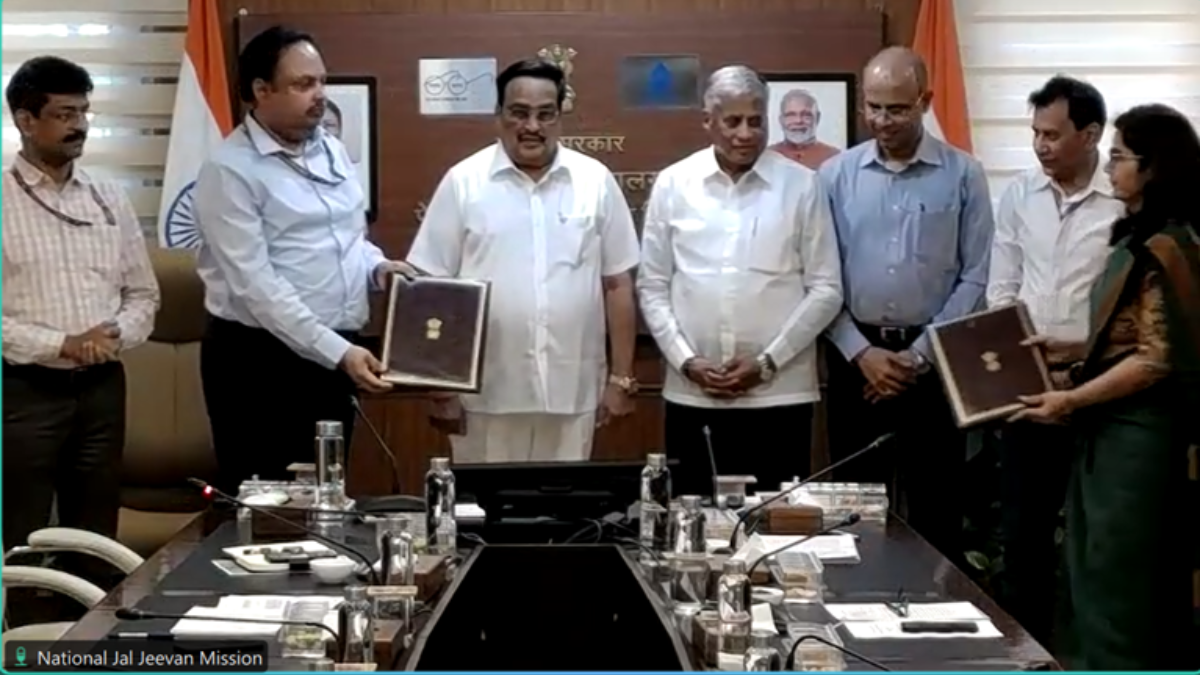
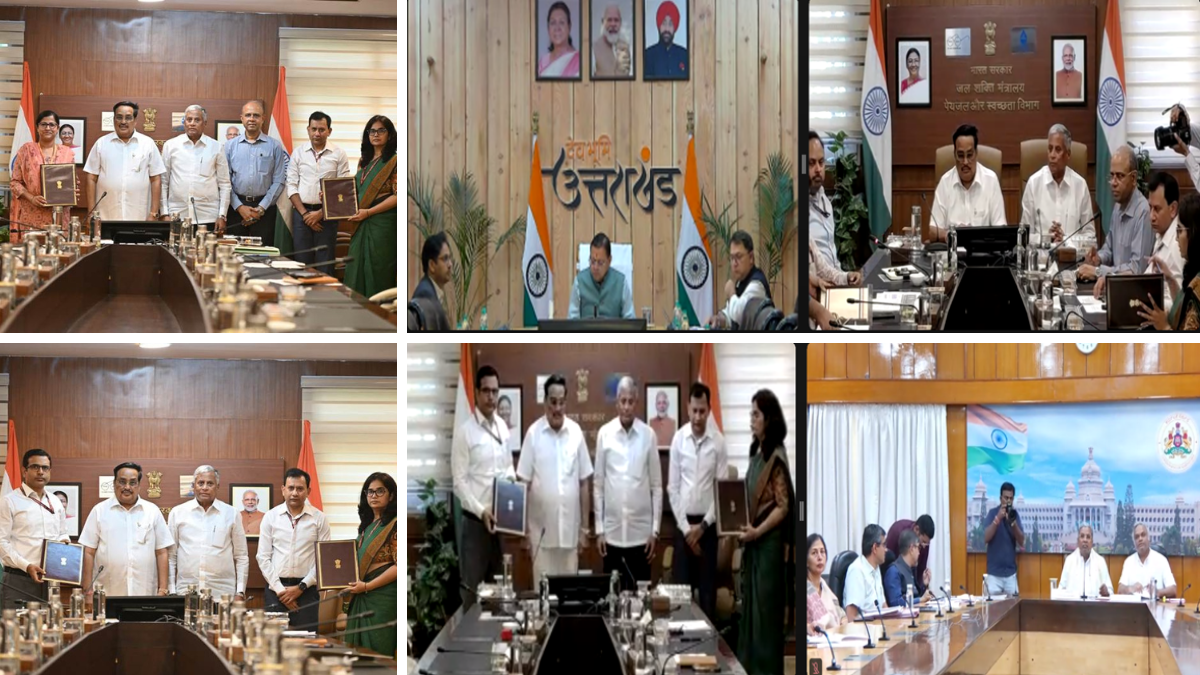
The Central Government has confirmed a significant extension for India’s ambitious rural water programme. Originally aimed for completion by May 2024, the Jal Jeevan Mission (JJM) now has a new target of December 2028 to reach every rural household with a functional tap connection. This extension, approved under the JJM 2.0 framework, comes as three states: Uttarakhand, Karnataka, and Tripura; sign formal agreements to adopt stricter reform-linked guidelines.
What is Jal Jeevan Mission 2.0? It is a service-based governance model designed to move beyond just laying pipes to ensuring that water actually flows reliably for years to come. By involving local communities through “Jan Bhagidari”, the scheme empowers Gram Panchayats to take ownership of their local water sources. This shift is meant to address the common problem of infrastructure falling into disrepair shortly after installation.
Uttarakhand currently leads this group with 98 per cent coverage, despite the immense challenges of Himalayan terrain and frequent landslides. Karnataka and Tripura follow closely with 87 per cent and 86 per cent coverage respectively. Under the new MoUs, these states will focus on digital monitoring and establishing District Technical Units to handle grievances and system repairs promptly.
The Snapshot
ⓘ Sponsored: Unbox Daily HQ earns a commission if you buy through these links, at no extra cost to you. Prices shown are subject to change, and the actual price on Amazon at the time of purchase may vary from what is displayed here.
| Feature | Details |
| Scheme Name | Jal Jeevan Mission 2.0 |
| Implementing Agency | Dept. of Drinking Water and Sanitation (DDWS) |
| National Target | 100% Functional Household Tap Connections |
| Revised Deadline | December 2028 |
| Participating States | Uttarakhand, Karnataka, Tripura |
| Management Level | Gram Panchayat-led |
| Key Metrics | Sujal Gaon ID, District Technical Units (DTUs) |
| Funding Responsibility | States bear O&M and Retrofitting costs |
The Big Picture
Water scarcity and infrastructure maintenance are significant hurdles for rural India, often leaving expensive pipelines dry within months of completion. By formalising these MoUs, the government is trying to move away from a “top-down” construction approach to a “bottom-up” maintenance culture. This mirrors global sustainable water trends where local accountability outperforms centralised management. In the Indian context, this puts pressure on state-level bodies like the Spring and River Rejuvenation Authority (SARRA) in Uttarakhand to prove that local ecology and modern engineering can work together.
The Inside Intel
The progress in Tripura is particularly noteworthy. When the mission began in 2019, only 3 per cent of rural households in the state had tap water. In just seven years, that figure has climbed to 86 per cent, marking one of the fastest infrastructure turnarounds in the country.
The UDHQ. Take
At Unbox Daily HQ., we see this as a necessary reality check for India’s water goals. Building the infrastructure was the easy part; keeping the water running in an arid state like Karnataka or a disaster-prone region like Uttarakhand is the real test. The shift towards Gram Panchayat leadership is a smart move, as locals have the most to lose if a system fails. However, the success of JJM 2.0 hinges entirely on whether these local bodies can effectively collect water taxes and manage repairs without waiting for central funds. If and when this reaches full implementation, it could redefine rural dignity and health across the country.
Best for: Rural residents and local leaders who want to take direct control of their village’s water security and long-term health.
Who Is This For: Perfect for 18–60 year old residents and community organisers in rural India who are looking for sustainable solutions to water scarcity.
The Checkout
The Source
Ministry of Jal Shakti | PIB.GOV.
The national deadline for the Jal Jeevan Mission has been extended to December 2028 to achieve 100 per cent coverage across the country. This extension ensures that tap water is not just installed but is of the prescribed quality and provided on a regular basis.
The second phase focuses on a community-centred model where Gram Panchayats take responsibility for managing and maintaining village water systems. It introduces digital monitoring and District Technical Units to ensure repairs are handled promptly at the local level.
The mission specifically addresses challenges in water-stressed regions like Karnataka and difficult Himalayan terrains in Uttarakhand. Its primary goal is to ensure sustainable water security for every rural family across diverse and challenging Indian geographies.