Thursday, May 28, 2026 |Navi Mumbai
--:-- | --°C | AQI --
If it's not on Unbox Daily HQ, it's not a Launch. Every product, policy and brand launch in India. One hub. What's new?
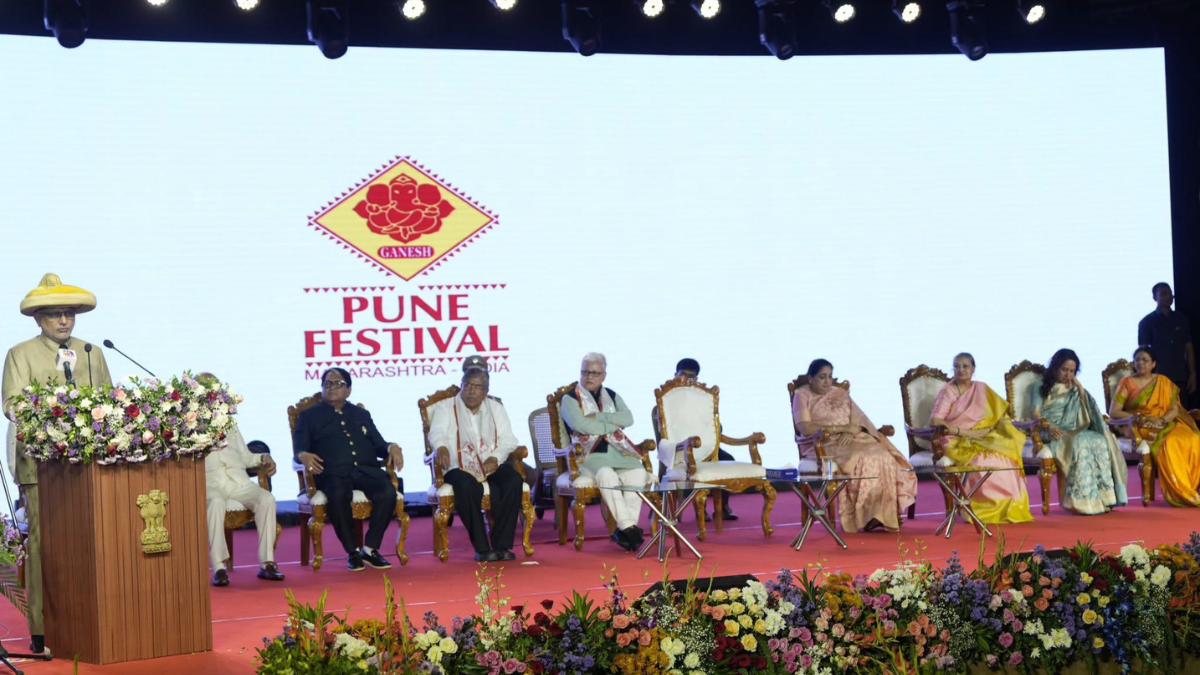
Vice-President C. P. Radhakrishnan inaugurated the multi-day cultural event in Pune.
The Takeaway
Press Information Bureau reports that Vice-President C. P. Radhakrishnan opened the cultural gathering to highlight regional heritage and youth arts. State dignitaries joined the opening ceremony in Pune to endorse local artistic talent. Organizers gathered artists and performers for a multi-day showcase of Maharashtrian culture.
The opening ceremony featured tributes to historical figures including Chhatrapati Shivaji Maharaj, Lokmanya Tilak, and Dr. B. R. Ambedkar. Dignitaries emphasized the connection between modern progress and traditional values. Program segments included youth showcases like Ugavate Tare and women-focused platforms like Mahila Mahotsav. Veteran actor Mohan Joshi received the Suresh Kalmadi Pune Festival Lifetime Achievement Award during the event.
Official speeches lean heavily on grand policy philosophies like development alongside heritage. The reality on the ground is much more specific. This is a private-public civic festival with deep political roots rather than a government economic welfare package. Ordinary citizens experience it as a spectator event rather than a policy beneficiary mechanism.
Key details of the thirty eighth Pune Festival launch
| Feature | Detail |
| Event Edition | Thirty eighth annual |
| Venue | Shri Ganesh Kala Krida Rangmanch, Pune |
| Inaugural Leader | Vice-President C. P. Radhakrishnan |
| Key Awardee | Actor Mohan Joshi |
Major civic festivals across Maharashtra often rely on a mix of political patronage and private municipal funding to sustain multi-day schedules, contrasting sharply with centralized state-run cultural pageants funded entirely through direct budgetary allocations.
ⓘ Sponsored: Unbox Daily HQ earns a commission if you buy through these links, at no extra cost to you. Prices shown are subject to change, and the actual price on Amazon at the time of purchase may vary from what is displayed here.
This event applies directly to local artisans, cultural performers, and residents across Maharashtra. Regional artists gain a public stage to showcase traditional music and dance. Everyday citizens do not receive direct monetary grants or welfare benefits from the festival. The tangible impact is limited to cultural tourism and platform exposure for participating youth.
International students from twenty countries joined the traditional Ganesh worship segment to demonstrate cross-border cultural exchange.
Unbox Daily HQ cuts through official rhetoric to examine the actual structure of the Pune Festival. Government speeches frame the gathering around sweeping national visions. The underlying reality is a traditional regional celebration driven by local civic organizing and political patronage. It serves as an important cultural platform for artists without altering economic policy or delivering structural welfare.
Best for: regional artists, cultural researchers, and festival attendees.
Who Is This For: cultural enthusiasts and local residents aged twenty to forty-five.
Courtesy: Press Information Bureau
The thirty eighth annual Pune Festival opened at Shri Ganesh Kala Krida Rangmanch in Pune with senior political leaders in attendance. The multi-day cultural celebration features international students from twenty countries alongside traditional regional showcases. This annual event runs across multiple days in India to celebrate local Maharashtrian culture.
The thirty eighth annual Pune Festival relies on a mix of political patronage and private municipal funding rather than direct budgetary allocations. This structure contrasts sharply with centralized state-run cultural pageants funded entirely by the government. The local civic approach sustains its multi-day schedule through regional partnerships.
The thirty eighth annual Pune Festival is best for regional artists, cultural researchers, and active festival attendees. It is specifically created for cultural enthusiasts and local residents aged twenty to forty-five. Participants experience a traditional regional celebration driven by local civic organizing and political patronage.