Thursday, May 28, 2026 |Navi Mumbai
--:-- | --°C | AQI --
If it's not on Unbox Daily HQ, it's not a Launch. Every product, policy and brand launch in India. One hub. What's new?
Jamnagar District Cooperative Bank reports zero gross NPAs and opens a 47,000-square-foot solar-powered headquarters.
The Essentials
The Pulse
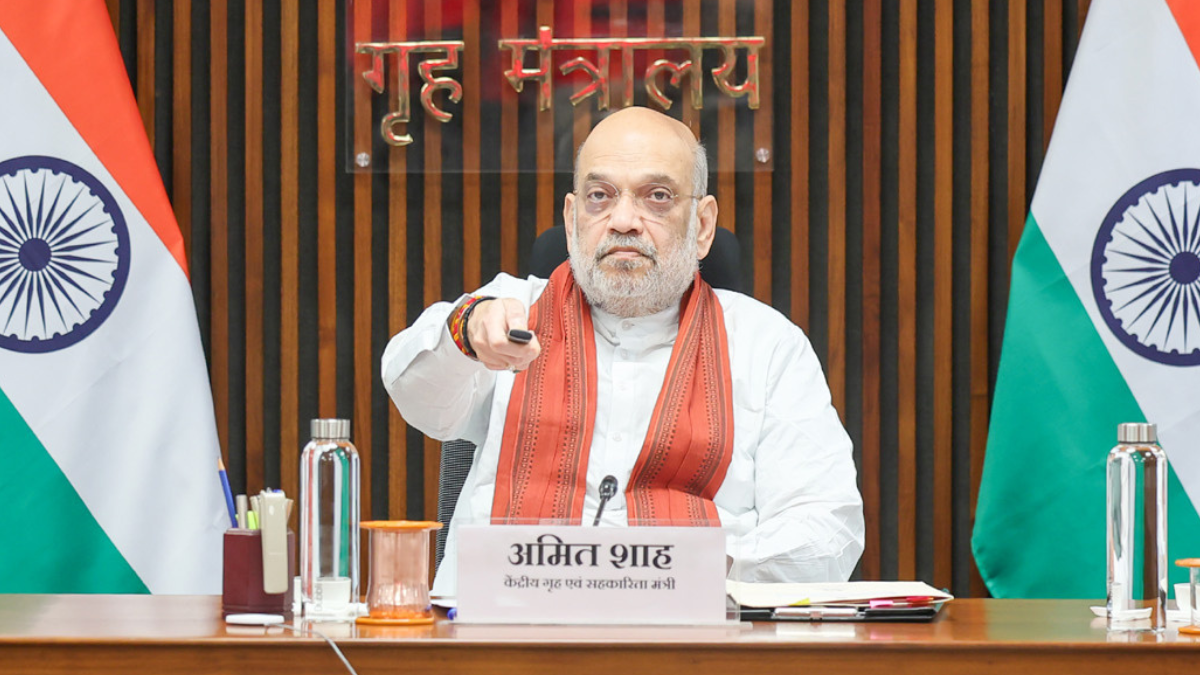
Jamnagar District Cooperative Bank operates with zero gross non-performing assets while managing ₹780 crore in loan disbursements. This financial health forms the foundation for its new headquarters, inaugurated by Union Home Minister Amit Shah. The cooperative sector in India is currently undergoing a structural shift, moving away from fragmented local societies towards centralised, technology-driven networks.
Sahakar Bhavan serves as the primary administrative and financial clearinghouse for agricultural and dairy cooperative societies across the Jamnagar district. The government recently added over 20 new business activities for Primary Agricultural Credit Societies and brought their audit systems online.
This centralisation matters because agricultural credit requires rapid, transparent processing to be effective during sowing seasons. The bank currently serves over 1.5 lakh cooperative members through 40 branches. By upgrading the central node of this network, the Ministry of Cooperation aims to reduce processing friction and improve credit delivery across 431 service cooperative societies and 652 milk producers’ societies.
The Breakdown
ⓘ Sponsored: Unbox Daily HQ earns a commission if you buy through these links, at no extra cost to you. Prices shown are subject to change, and the actual price on Amazon at the time of purchase may vary from what is displayed here.
Constructed at a cost of approximately ₹25 crore, the facility occupies 25,000 square feet of land while yielding nearly 47,000 square feet of functional interior space. The floor plan accommodates projected operational requirements for the next 15 years.
The physical infrastructure includes modern conference rooms, meeting halls, and a dedicated dining area. For visiting agricultural workers and rural cooperative members, the building incorporates a residential farmers’ hostel. The facility meets green building standards through the installation of a 200-kilowatt rooftop solar power plant, ensuring continuous operation independent of local grid fluctuations while reducing long-term overhead costs.
The Distinction
The primary differentiator of Sahakar Bhavan is its structural integration of modern corporate banking infrastructure into a district-level cooperative framework. Competing rural credit facilities often operate out of repurposed or basic administrative buildings. This facility introduces RBI and NABARD-compliant architecture directly to the village level. By combining secure locker facilities, a dedicated farmers’ hostel, and a 200-kilowatt solar plant for independent power generation, it shifts the cooperative banking model from basic loan disbursement to a self-sustaining, full-service financial hub.
The Snapshot
| Specification | Detail |
| Project | Sahakar Bhavan Headquarters |
| Institution | Jamnagar District Cooperative Bank |
| Location | Jamnagar, Gujarat |
| Development Cost | ₹25 crore (approximate) |
| Land Area | 25,000 square feet |
| Functional Space | 47,000 square feet |
| Energy Infrastructure | 200-kilowatt solar power plant |
| Bank Deposits | ₹135 crore |
| Loan Disbursements | ₹780 crore |
| Reported Profit | ₹24 crore |
| Gross NPA | Zero |
| Service Network | 40 branches, 431 service societies, 652 milk societies |
The Big Picture
India’s cooperative banking sector historically struggles with high non-performing assets and outdated technological infrastructure. Private banks dominate urban credit, while rural cooperatives handle the bulk of agricultural lending. The Ministry of Cooperation’s recent push to establish over two lakh new Primary Agricultural Credit Societies signals a shift towards institutionalising rural finance. Jamnagar District Cooperative Bank scaling from a ₹2.5 lakh initial capital in 1969 to over ₹215 crore in business today demonstrates that rural cooperative models can achieve profitability when managed with strict regulatory compliance.
The India Prospective
For professionals monitoring India’s rural economy, this infrastructure upgrade highlights a maturing agricultural credit market in Gujarat. As the government digitises Primary Agricultural Credit Societies and enforces central banking compliance at the district level, systemic risks in agricultural lending decrease. Better-capitalised cooperative banks with modern facilities mean more reliable funding for dairy and farming sectors, directly impacting national food supply chains and rural purchasing power.
The Inside Intel
Despite operating primarily within the historically high-risk agricultural credit sector, Jamnagar District Cooperative Bank currently maintains an active gross non-performing asset ratio of exactly zero. This achievement sits in stark contrast to broader Indian banking averages, where rural lending portfolios typically carry significant default risks due to seasonal weather dependencies, volatile local supply chains, and highly unpredictable crop price fluctuations.
The Unboxed Truth
Unbox Daily HQ considers this infrastructure investment a necessary evolution for India’s cooperative banking framework. Instead of treating rural banking as a charity operation, this ₹25 crore facility treats it as a corporate necessity.
For a policy analyst or rural fintech developer building tools for Tier 3 markets, understanding this physical upgrade is crucial. The ₹25 crore spent here is roughly equivalent to the seed funding of a mid-level urban startup, yet it actively secures a ₹780 crore rural lending portfolio with zero gross NPAs. The true value lies not in the functional space, but in the 200-kilowatt solar plant and the farmers’ hostel, structural choices that acknowledge the actual friction rural clients face when accessing district-level credit.
Best for: agricultural policy researchers and rural fintech operators who need to understand the physical infrastructure supporting modern Indian cooperative credit
Who Is This For: Perfect for 28 to 55-year-old financial analysts and rural technology developers in Mumbai or Bengaluru who track systemic upgrades in India’s agricultural lending networks
The Checkout
The Source
PIB.GOV
The Query
Sahakar Bhavan in Jamnagar was constructed at a cost of approximately ₹25 crore. The 47,000-square-foot facility serves as the modern headquarters for Jamnagar District Cooperative Bank in Gujarat. It includes a 200-kilowatt solar power plant, secure locker facilities, and a dedicated farmers’ hostel.
Sahakar Bhavan integrates RBI and NABARD-compliant corporate banking infrastructure directly into a district cooperative framework. Unlike basic administrative centres, it combines a 200-kilowatt solar plant for power stability with an on-site residential hostel for farmers. It manages a ₹780 crore loan network operating with zero gross non-performing assets.
Sahakar Bhavan is crucial tracking for agricultural policy researchers and rural fintech developers studying Tier 3 financial networks. Built for approximately ₹25 crore, the facility supports a ₹780 crore rural lending portfolio with zero gross NPAs. It demonstrates how structural physical upgrades improve credit delivery across 431 service cooperative societies.