Thursday, May 28, 2026 |Navi Mumbai
--:-- | --°C | AQI --
If it's not on Unbox Daily HQ, it's not a Launch. Every product, policy and brand launch in India. One hub. What's new?
DGCA approves real-time digital maintenance tracking for Boeing 787s to accelerate defect repairs and improve reliability.
The Essentials
The Pulse
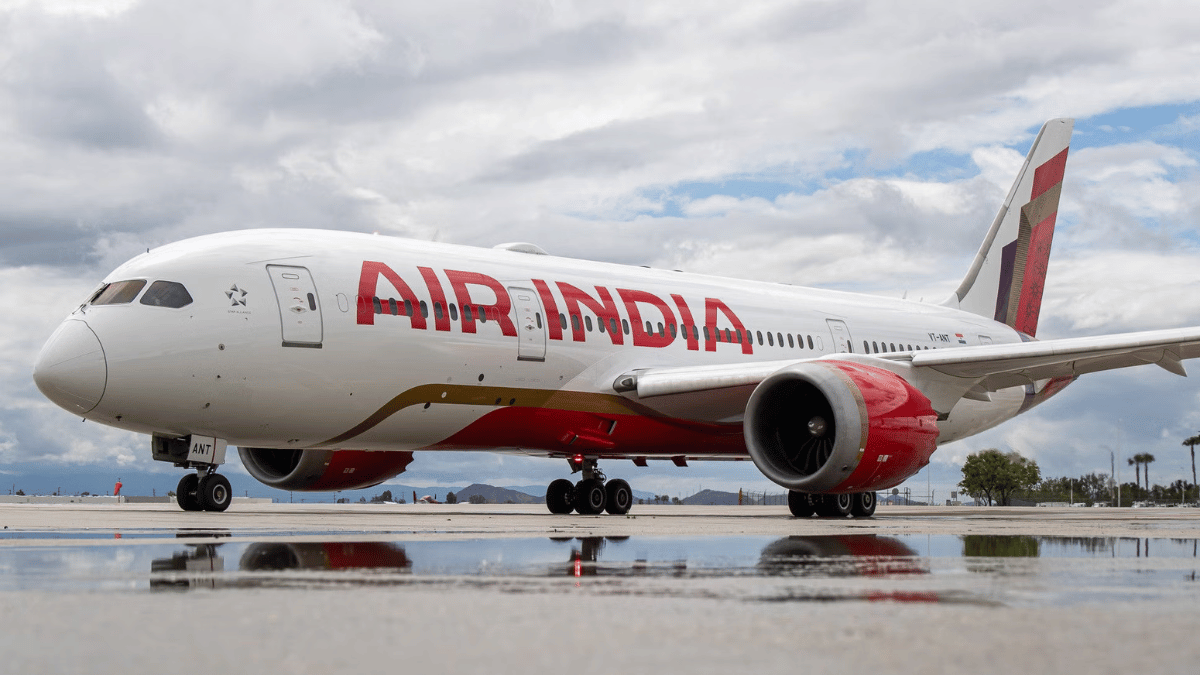
Air India moves away from traditional paper-based maintenance logs for its widebody aircraft following approval from the Directorate General of Civil Aviation. The transition targets the core operational bottleneck of aircraft turnaround times, technical documentation and defect reporting.
What does a digital logbook mean for a frequent flyer?
It translates directly to better dispatch reliability, meaning fewer flights delayed at the gate waiting for engineering clearance.
The initiative aligns with the airline’s broader transformation to operate as a modern, technology-enabled global carrier. Historically, technical logs required manual entries and physical handovers between maintenance and operational teams. Moving this process to a secure digital framework ensures that engineering decisions happen using real-time information rather than delayed paper trails.
ⓘ Sponsored: Unbox Daily HQ earns a commission if you buy through these links, at no extra cost to you. Prices shown are subject to change, and the actual price on Amazon at the time of purchase may vary from what is displayed here.
This operational overhaul specifically targets the Boeing 787 and Boeing 777 aircraft, which handle the bulk of Air India’s long-haul international routes. By securing regulatory approval for this paperless documentation, the airline establishes a new baseline for maintenance governance and operational efficiency within the Indian aviation sector.
The Breakdown
The Electronic Technical Logbook functions as a secure digital platform replacing traditional physical maintenance records. The architecture facilitates immediate data sharing between operational teams and line maintenance engineers. This structural change fundamentally improves data integrity, traceability, and regulatory compliance. Beyond basic logging, the platform incorporates advanced analytics capabilities designed to support predictive maintenance. This allows engineering teams to make informed decisions and rectify defects before they result in an aircraft grounding. The system also removes heavy paper records from the maintenance process, directly reducing overall paper consumption and supporting the airline’s environmental sustainability metrics.
The Distinction
The primary differentiator of this Electronic Technical Logbook implementation is the structural shift from retrospective paper logging to real-time predictive analytics. Competing legacy airline systems often rely on physical logbooks that engineers must manually transport and process before authorising a dispatch. This digital platform structurally connects maintenance engineers directly with flight operations teams instantly. By integrating defect reporting and rectification into a single secure interface, the architecture eliminates the physical transit time of technical documents, altering how quickly a widebody aircraft gets cleared for its next long-haul sector.
The Snapshot
| Category | Detail |
| Platform | Electronic Technical Logbook (ETL) |
| Operator | Air India |
| Regulator | Directorate General of Civil Aviation (DGCA) |
| Primary Implementation | Entire Boeing 787 widebody fleet |
| Parallel Implementation | Boeing 777 fleet |
| Core Function | Real-time aircraft maintenance and engineering management |
| Key Features | Predictive maintenance analytics, paperless documentation |
The Big Picture
Modernising maintenance documentation is a major hurdle for legacy airlines weighed down by decades of paper-based compliance. Indian carriers built digital-first operational frameworks from their inception, leaving older airlines playing catch-up. This DGCA-approved shift puts Air India on par with top-tier global operators who already utilise digital logs to minimise turnaround times. Transitioning widebody aircraft first is a calculated move, as these jets operate expensive, high-stakes international routes where a technical delay cascades into massive scheduling disruptions and passenger compensation costs.
The India Prospective
For Indian passengers flying direct to London or New York on Air India’s widebody fleet, this invisible backend upgrade directly impacts travel predictability. Domestic aviation infrastructure faces severe congestion, and any technical delay at Indian hubs like Delhi or Mumbai quickly compounds. Streamlining engineering sign-offs ensures that aircraft spend less time on the tarmac waiting for paperwork, keeping international departures closer to their scheduled times.
The Inside Intel
Aviation regulators maintain strict rules regarding maintenance documentation, traditionally mandating physical records. The fact that the DGCA authorised the Boeing 777 fleet to run a parallel digital implementation alongside the 787’s complete transition indicates a significant regulatory shift towards cloud-based engineering oversight in Indian aviation, moving away from the historical paper trails that previously dominated the sector.
The Unboxed Truth
Unbox Daily HQ considers this the most practical operational upgrade Air India has made this year, not because it involves new aircraft, but because it addresses the core unreliability that frustrates long-haul passengers.
While a passenger never sees a technical logbook, they feel its impact during a two-hour delay at the boarding gate while engineers finish paperwork. This transition is specifically valuable for the frequent corporate traveller flying between Bengaluru and San Francisco, who chooses direct flights entirely to save time. For a business flyer whose schedule relies on on-time performance, an airline investing in predictive maintenance rather than just new cabin seats is the actual metric of improvement. Competing carriers often highlight cosmetic upgrades, but digitising the exact process that causes dispatch delays offers a structural solution to poor punctuality. At a time when Air India is fighting to regain premium passenger trust, deploying technology to keep widebody jets on schedule is precisely the operational discipline the airline needs to demonstrate.
Best for: Corporate flyers on international long-haul routes who prioritise on-time departures over cabin aesthetics.
Who Is This For: Perfect for 30 to 55-year-old business travellers in major Indian metros who rely on Air India’s widebody network for crucial international meetings.
The Checkout
The Source
Air India
The Query
Yes, Air India has fully adopted Electronic Technical Logbooks across its entire Boeing 787 widebody fleet in India. The Directorate General of Civil Aviation has also authorised a parallel digital implementation for the Boeing 777 fleet. This system replaces traditional paper maintenance records with a secure digital platform.
Air India Electronic Technical Logbooks structurally replace retrospective manual logging with a real-time digital interface for engineers and flight operations. Legacy airline systems require physical logbooks to be manually transported, creating maintenance bottlenecks. The new architecture integrates defect reporting and predictive analytics to speed up engineering sign-offs.
Corporate and frequent travellers on international long-haul routes benefit most from this digital operational upgrade. The system directly minimises boarding gate delays by accelerating aircraft maintenance turnarounds at congested Indian hubs. It ensures better travel predictability for business flyers who prioritise strict on-time departures over cosmetic cabin upgrades.