Thursday, May 28, 2026 |Navi Mumbai
--:-- | --°C | AQI --
If it's not on Unbox Daily HQ, it's not a Launch. Every product, policy and brand launch in India. One hub. What's new?
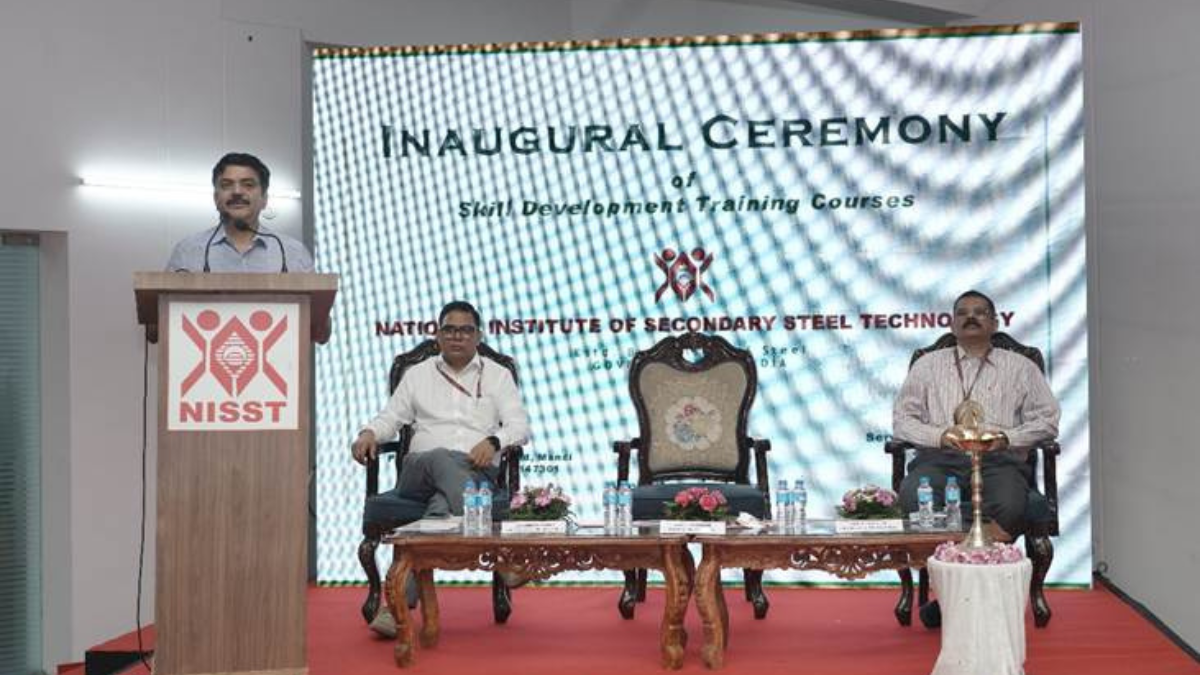
New skill development courses at NISST in Mandi Gobindgarh are now open to ITI students and employees across India.
The Essentials
The Pulse
India’s steel production capacity is on track to reach nearly 300 million tonnes by 2030, but a shortage of skilled hands remains a significant hurdle for the industry. The Ministry of Steel is addressing this gap through new skill development training at the National Institute of Secondary Steel Technology (NISST) in Mandi Gobindgarh. This initiative focuses on empowering ITI students and existing shop floor employees with the specific technical expertise required for modern manufacturing.
If you are wondering how to get a job in the Indian steel industry, these practical courses for ITI students and secondary sector workers offer a direct path to employment. The programme moves away from purely theoretical learning, focusing instead on the hands-on skills required on the factory floor today. Industry associations have also been requested to sponsor courses, ensuring the training remains relevant to current market demands.
With every million tonnes of steel requiring roughly 2,000 workers, the sector anticipates creating millions of new roles in the coming years. Beyond training, the initiative also recognises environmental progress. Four industry entities recently received Green Steel Certifications for their efforts in adopting sustainable manufacturing practices, signalling a shift towards cleaner growth in the Indian secondary steel sector.
The Snapshot
ⓘ Sponsored: Unbox Daily HQ earns a commission if you buy through these links, at no extra cost to you. Prices shown are subject to change, and the actual price on Amazon at the time of purchase may vary from what is displayed here.
| Feature | Details |
| Initiative Name | Skill Development Courses for Secondary Steel Sector |
| Lead Organisation | National Institute of Secondary Steel Technology (NISST) |
| Supporting Authority | Ministry of Steel, Government of India |
| Target Audience | ITI students and shop floor employees |
| Training Location | Mandi Gobindgarh (Residential) |
| Primary Focus | Practical industry-relevant training |
| Capacity Goal | 200 to 300 million tonnes by 2030 |
| India Availability | Open for applications now |
The Big Picture
The secondary steel sector is a vital component of India’s industrial backbone, often operating alongside giants like JSW Steel or Tata Steel. By 2030, the additional 80 million tonnes of capacity expected will require a massive influx of certified talent to maintain global standards. This push for practical certification at NISST mirrors global trends where specialised vocational training is replacing generic degrees. For the Indian workforce, this means a shift towards higher employability and better wages in a sector that is increasingly adopting green manufacturing processes.
The Inside Intel
NISST is transforming into a fully residential institute, meaning students from any corner of India can live and learn in the steel hub of Mandi Gobindgarh, rather than the facility being limited to local manpower.
The Unboxed Truth
At Unbox Daily HQ, we believe this move is a pragmatic response to the skills gap that often stalls Indian manufacturing. While many government schemes focus on the digital economy, the steel sector remains the literal foundation of our infrastructure. NISST providing hands-on training for ITI students is exactly what the industry needs, rather than more classroom-bound lectures.
The addition of Green Steel Certifications shows that the Ministry is also keeping an eye on international environmental requirements. If you are looking for a stable career path with high demand, this is a solid entry point into a growing industry. It is a rare chance for technical students to get direct industry exposure that actually translates to a job on the shop floor.
Best for: Indian ITI graduates who want to secure a technical role in the manufacturing sector.
Who Is This For: Perfect for 18–25 year old technical students in Punjab and across India who prefer hands-on machinery work over desk jobs.
The Checkout
Source
Ministry of Steel | PIB.GOV