Thursday, May 28, 2026 |Navi Mumbai
--:-- | --°C | AQI --
If it's not on Unbox Daily HQ, it's not a Launch. Every product, policy and brand launch in India. One hub. What's new?
The 37-hour battery and bone conduction sensor ensure clear calls in urban traffic without blocking your hearing.
The Essentials
The Pulse
Sony’s LinkBuds Clip addresses the specific isolation problem created by modern active noise-cancelling technology. While suppressing external sound is ideal for aeroplanes, complete acoustic isolation becomes an occupational hazard for city pedestrians and office workers who need constant spatial awareness.
Why do open-ear headphones matter now?
Because professionals are wearing audio devices for longer uninterrupted stretches. Removing the physical intrusion of a silicone tip changes how users interact with their environment throughout the workday.
Sony aims this directly at the all-day lifestyle market. The inclusion of tap-to-switch adaptive listening modes allows immediate transition from solitary work to shared environments. Standard mode handles everyday quiet spaces, whilst the sound leakage reduction profile prevents audio bleed in close-quarter office settings. Voice boost ensures speech clarity during noisy commutes. This approach signals a shift away from chasing maximum audio isolation towards practical, uninterrupted daily wear that integrates with the user’s surroundings.
ⓘ Sponsored: Unbox Daily HQ earns a commission if you buy through these links, at no extra cost to you. Prices shown are subject to change, and the actual price on Amazon at the time of purchase may vary from what is displayed here.
The Breakdown
The audio architecture relies on a 10.0 millimetre open-air driver unit covering a 20 Hz to 20,000 Hz frequency response. Call clarity depends on a combination of dual microphones and a dedicated bone-conduction sensor that isolates voice vibrations directly from the jawbone. Sony’s Digital Sound Enhancement Engine handles audio upscaling for compressed audio files.
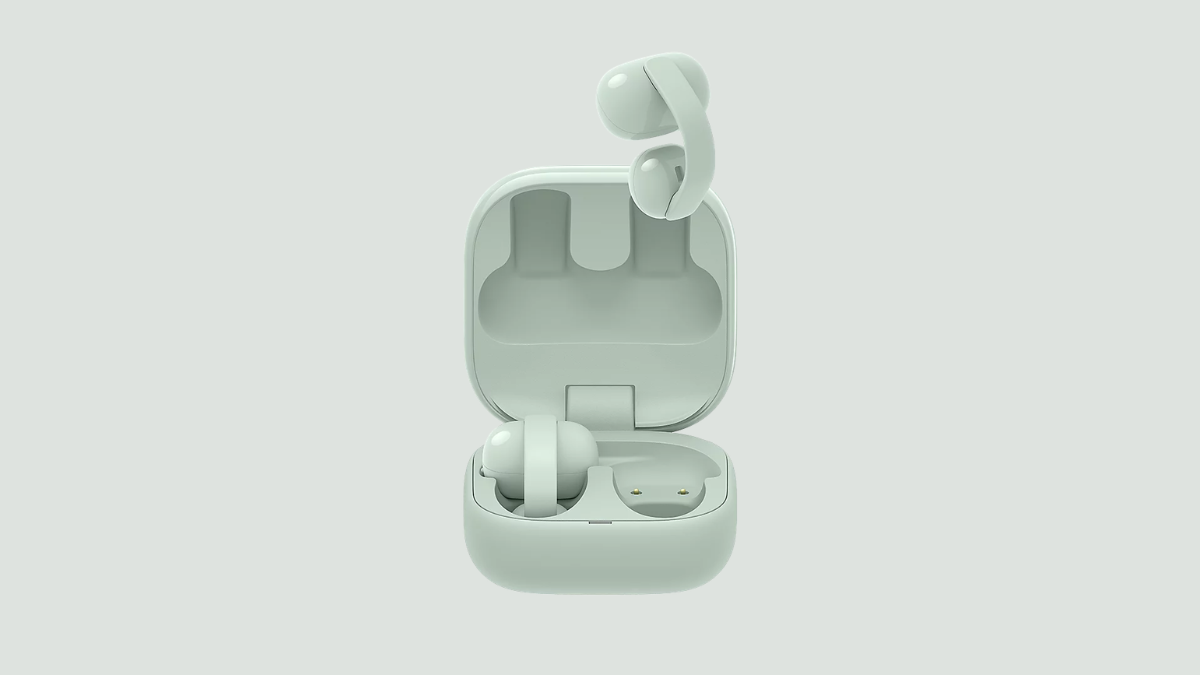
Connectivity operates on Bluetooth 5.3, supporting SBC and AAC formats alongside multipoint connection for two devices. The outer shell carries an IPX4 rating for sweat and splash resistance. Battery capacity delivers nine hours of continuous earbud playback, extended by 28 hours from the charging case, totalling 37 hours.
The Distinction
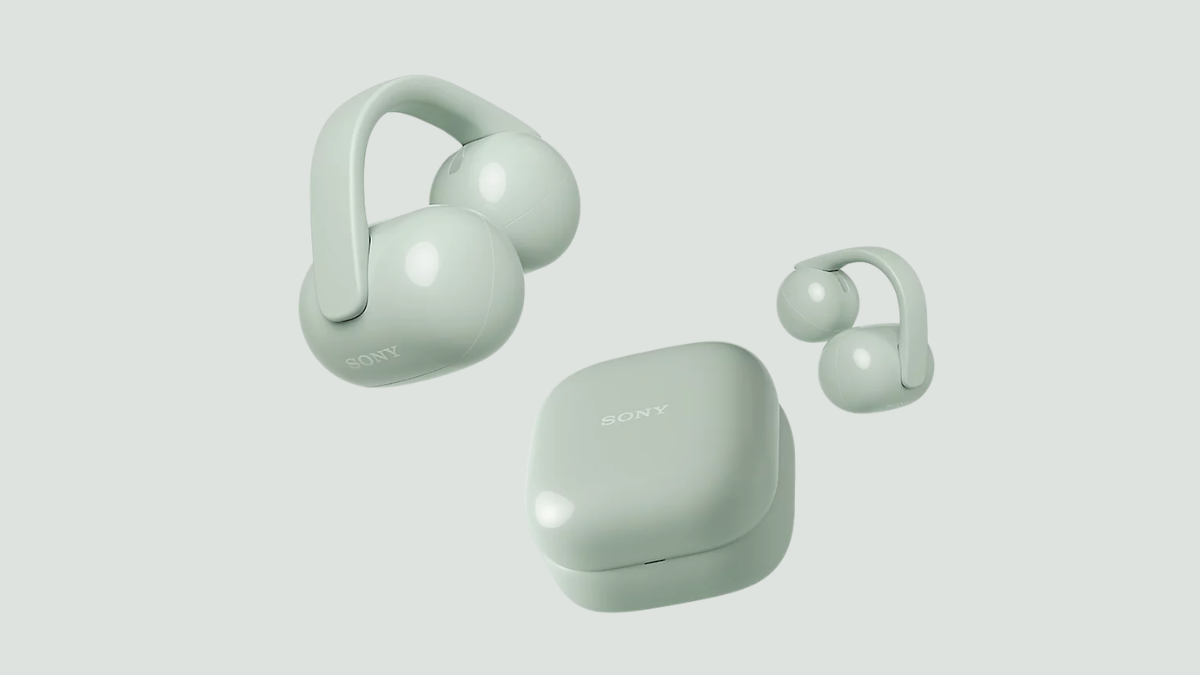
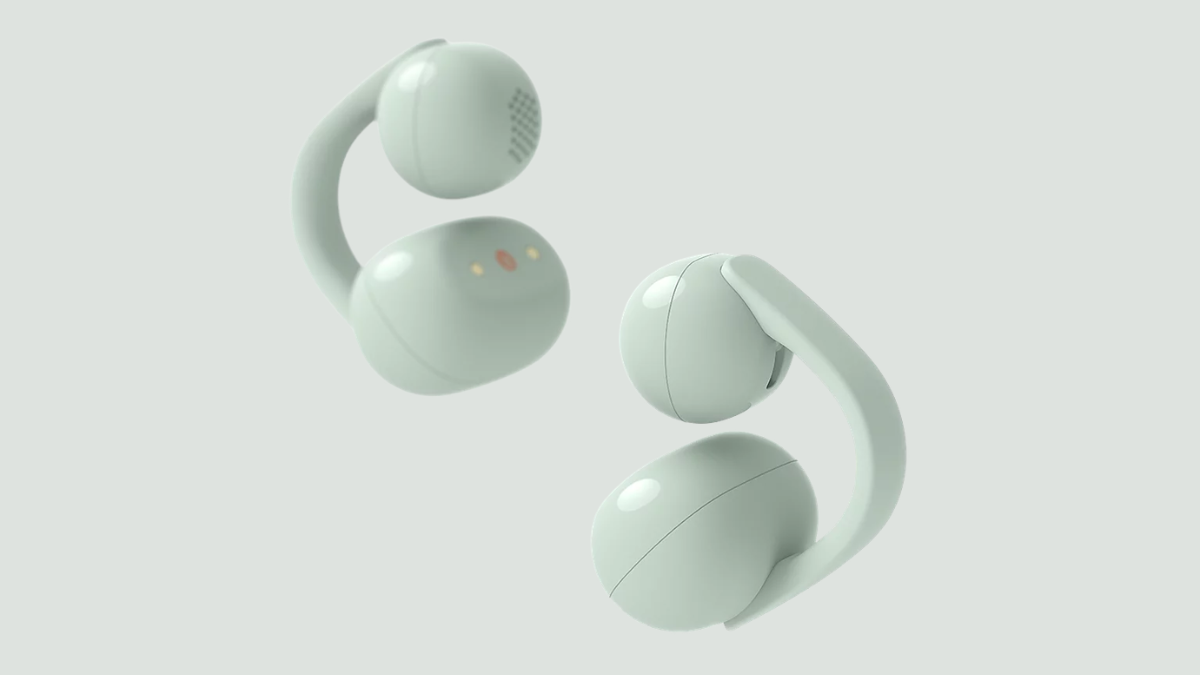
The primary differentiator of the Sony WF-LC900 is its C-shaped structural hook mechanism paired with a completely unblocked acoustic pathway. Competing open-ear models often rely on air conduction drivers that still sit partially over the tragus or use neckbands that create physical interference with collars. This silhouette introduces an outer-ear clipping system supported by customisable air fitting cushions, leaving the canal physically empty. For users who suffer from cartilage pressure or inner-ear fatigue, this represents a tangible architectural shift from traditional in-ear and over-ear designs.
The Snapshot
| Specification | Detail |
| Model Name | Sony LinkBuds Clip (WF-LC900) |
| Design Type | Open-air C-shaped clip |
| Driver Size | 10.0 mm |
| Battery Life | 9 hours (earbuds) + 28 hours (case) |
| Quick Charge | 3 minutes for 1 hour playback |
| Water Resistance | IPX4 rating |
| Bluetooth | Version 5.3 with Multipoint |
| Weight | 6.4 g per earbud |
| Colours | Green, Greige, Black, Lavender |
| India Price | ₹18,990 |
The Big Picture
The premium open-ear segment in India is expanding as users reject the discomfort of prolonged in-ear wear. Bose previously attempted open acoustics with its Ultra Open Earbuds pricing above ₹25,000, leaving a distinct gap in the sub-₹20,000 bracket. Sony positions the LinkBuds Clip directly beneath that threshold, offering similar spatial awareness but integrating their proprietary digital sound enhancement and bone conduction hardware. This forces a direct comparison for buyers who want premium spatial awareness without crossing the flagship price barrier.
The India Prospective
For Indian professionals navigating chaotic urban environments, the acoustic transparency of the LinkBuds Clip provides genuine safety benefits on busy streets. The bone conduction microphone system is particularly relevant for taking calls amidst loud Mumbai or Bengaluru traffic, as it filters external noise by relying on jawbone vibrations. At ₹18,990, it sits in the premium bracket but offers wide availability across e-commerce and retail stores like Croma and Reliance.
The Inside Intel
The inclusion of a bone conduction sensor in consumer earbuds is an acoustic engineering feat usually reserved for specialised sports gear or clinical hearing devices. By mapping jawbone vibrations rather than just sampling external sound, the internal processor can mathematically separate the wearer’s voice from the roar of a train or nearby street construction.
The Unboxed Truth
Unbox Daily HQ considers this the most practical open-ear solution under ₹20,000 for users who experience chronic ear fatigue. The true value here is not in audio isolation, but in its exact opposite: acoustic transparency. For a 32-year-old remote worker who juggles video calls, delivery drivers at the door, and evening gym sessions, constantly removing and replacing headphones is an annoyance.
At ₹18,990, this costs roughly the same as a premium ergonomic office chair, and it serves a similar structural purpose by preventing physical fatigue over an eight-hour shift. The bone conduction microphone ensures that even if you are standing next to an auto-rickshaw, the person on your conference call hears only your voice.
No other competitor currently pairs a physical C-clip outer ear design with algorithmic bone conduction at this exact price point. It sacrifices deep sub-bass to guarantee all-day comfort, which is a trade-off that makes perfect sense for users who prioritise environmental awareness over studio-level audio immersion.
Best for: Urban office workers with sensitive ear canals who take frequent calls in noisy environments.
Who Is This For: Perfect for 28 to 42-year-old remote workers and consultants in major cities who need constant spatial awareness while commuting or multitasking.
The Checkout
The Source
Sony India
The Query
The Sony LinkBuds Clip is priced at ₹18,990 in India with availability starting 13th July 2026. These open-ear wireless headphones are sold online via Amazon, Flipkart, Myntra, and Shopatsc.com. They are also available offline at physical Sony Centers, Croma, and Reliance retail stores.
The Sony LinkBuds Clip features a unique C-shaped outer-ear hook mechanism while sitting well below the ₹20,000 price threshold. Unlike alternative options from Bose, it integrates an algorithmic bone conduction sensor that maps jawbone vibrations. This allows it to separate your voice from heavy background noise during calls.
Yes, the Sony LinkBuds Clip is worth buying at ₹18,990 for 28 to 42-year-old urban professionals who experience chronic ear fatigue. It delivers functional value by providing unblocked environmental awareness and clear calls during chaotic city commutes. It sacrifices deep sub-bass to ensure complete all-day physical comfort.