Thursday, May 28, 2026 |Navi Mumbai
--:-- | --°C | AQI --
If it's not on Unbox Daily HQ, it's not a Launch. Every product, policy and brand launch in India. One hub. What's new?
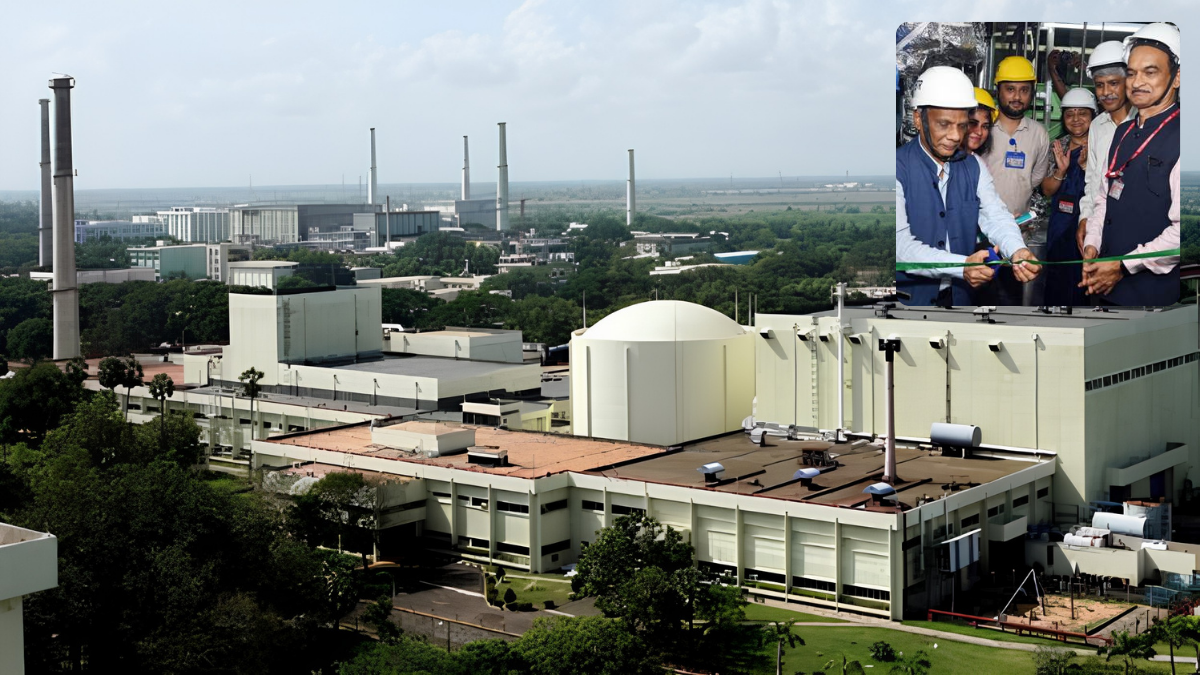
The Department of Atomic Energy is using the Copper-Chlorine cycle to generate carbon-free fuel without fossil fuels.
The Essentials
The Pulse
India’s Department of Atomic Energy has activated the world’s first facility that produces hydrogen by capturing heat directly from a nuclear reactor. Located at the Indira Gandhi Centre for Atomic Research in Kalpakkam, the plant functions as a technology demonstrator rather than a commercial utility, but it proves a crucial concept for clean energy.
The system produces hydrogen through a Copper-Chlorine thermochemical cycle, a method developed domestically by the Bhabha Atomic Research Centre. Most conventional hydrogen production burns fossil fuels and releases greenhouse gases. This new facility sidesteps that issue by using process heat from the existing Fast Breeder Test Reactor. Because the Copper-Chlorine cycle requires relatively lower operating temperatures while maintaining high thermodynamic efficiency, it makes the entire operation more viable for future scale-up.
For anyone wondering how nuclear energy creates hydrogen without electricity, the answer lies in thermochemical water splitting. The reactor’s extreme heat drives a series of chemical reactions using copper and chlorine compounds to separate water into hydrogen and oxygen. This means the reactor is pulling double duty, providing a pathway to carbon-free fuel that could eventually power heavy industries across the country.
The Snapshot
ⓘ Sponsored: Unbox Daily HQ earns a commission if you buy through these links, at no extra cost to you. Prices shown are subject to change, and the actual price on Amazon at the time of purchase may vary from what is displayed here.
| Feature | Detail |
| Facility | Hydrogen Production Technology Demonstrator |
| Location | IGCAR, Kalpakkam |
| Technology | Copper-Chlorine (Cu-Cl) Thermochemical Cycle |
| Heat Source | Fast Breeder Test Reactor (FBTR) |
| Developed By | BARC and IGCAR |
| Primary Benefit | Carbon-free hydrogen production |
The Big Picture
Global clean energy strategies rely heavily on hydrogen, yet generating it often creates massive carbon footprints. Finding ways to produce it cleanly at an industrial scale remains a significant hurdle. This Kalpakkam facility pushes India’s three-stage nuclear programme in a completely new direction, expanding the utility of atomic energy far beyond standard electricity grids. By proving that advanced reactors can successfully facilitate chemical processes, the Department of Atomic Energy establishes a practical foundation for decarbonising sectors like steel production and heavy transport that cannot easily run on battery power.
The India Prospective
For Indian industries, scaling this technology means a potential end to relying on imported natural gas for hydrogen production. The technology demonstrator aligns directly with national decarbonisation goals and the AtmaNirbhar Bharat initiative. Once fully commercialised, nuclear-assisted hydrogen could secure long-term energy independence for the country, keeping production entirely domestic while eliminating the greenhouse gas emissions currently associated with standard industrial manufacturing.
The Inside Intel
The reactor powering this new hydrogen facility is far from new. The Fast Breeder Test Reactor at Kalpakkam has been operating for more than four decades. While it originally served to validate fuels and materials for India’s 500 MWe Prototype Fast Breeder Reactor, it is now proving that older nuclear research platforms can be effectively repurposed to validate entirely new clean energy technologies.
The Unboxed Truth
Unbox Daily HQ considers this a crucial development worth tracking, not just an academic milestone. The success of the Kalpakkam facility will dictate how India fuels its heavy industries over the next decade. If the Bhabha Atomic Research Centre can scale the Copper-Chlorine cycle for commercial deployment, the cost of carbon-free hydrogen will drop significantly. Keep an eye on how quickly the government moves this from a technology demonstrator to a commercial plant.
Best for: Energy sector professionals and policymakers who need to monitor the viability of alternative fuels.
Who Is This For: Perfect for 30 to 55-year-old industry stakeholders in India who are tracking the transition away from fossil fuels.
The Checkout
The Source
Department of Atomic Energy | PIB.GOV
The Query
The Kalpakkam nuclear hydrogen production facility operates as a technology demonstrator rather than a commercial utility, meaning it is not available for consumer purchase. It serves to validate domestic clean energy generation using reactor process heat. Future commercial deployment will target industrial scaling.
The Kalpakkam facility utilises a Copper-Chlorine thermochemical cycle driven by nuclear process heat to split water molecules. Unlike conventional hydrogen production methods that burn fossil fuels and release greenhouse gases, this process is entirely carbon-free. It operates at relatively lower temperatures while maintaining high thermodynamic efficiency.
The Kalpakkam nuclear hydrogen technology is highly worth tracking for Indian energy sector professionals and industrial policymakers. Although there is no commercial consumer price, successful scaling will lower the cost of carbon-free fuel. It offers long-term value by reducing reliance on imported natural gas.