Thursday, May 28, 2026 |Navi Mumbai
--:-- | --°C | AQI --
If it's not on Unbox Daily HQ, it's not a Launch. Every product, policy and brand launch in India. One hub. What's new?
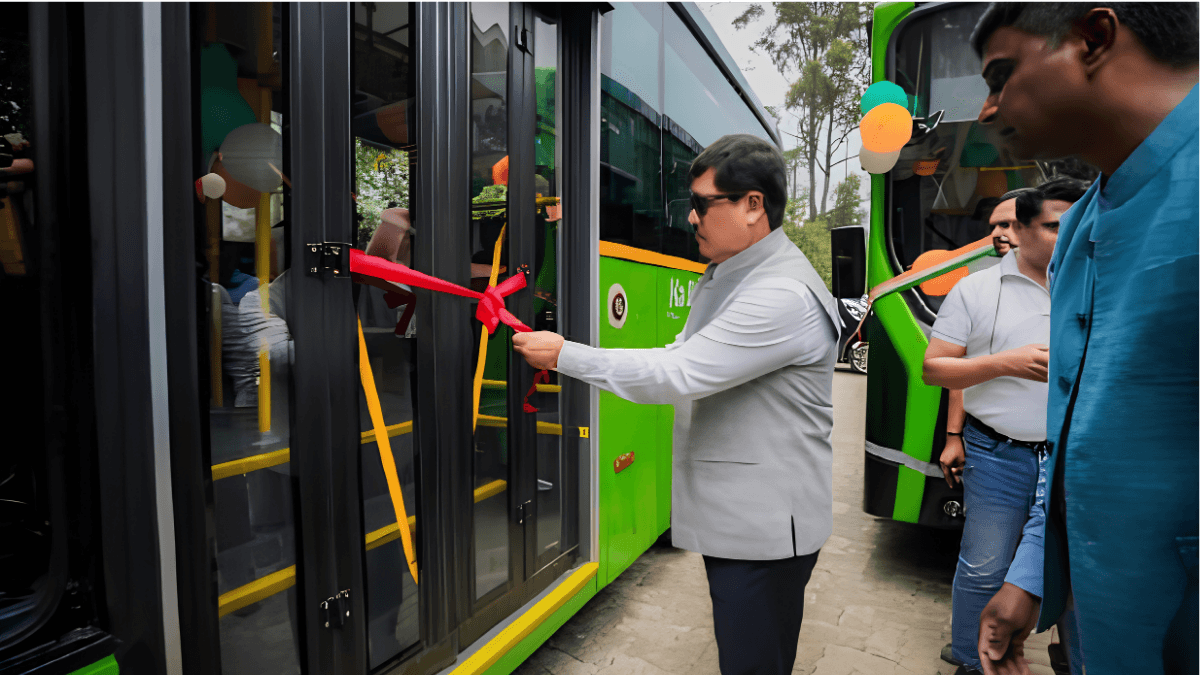
The zero-emission transit system is rolling out immediately in Shillong to provide commuters with scheduled daily trips.
The Essentials
The Pulse
Shillong is restructuring its public transport network with a newly introduced fleet of five electric buses, part of a sanctioned total of 50 vehicles under the PM eBus Sewa Scheme. This transition shifts public transport away from erratic fare-collection models to a Gross Cost Contract framework. Operators are now compensated based on service standards and punctuality rather than passenger numbers. Commuters can expect predictable transit schedules, with real-time GPS monitoring handling daily service reliability.
For anyone navigating the steep hills of Meghalaya, electric vehicles operate effectively in such terrain by utilising regenerative braking technology to manage steep descents. The initiative integrates with a broader urban planning roadmap designed to decongest the central city area. This strategy includes building new parking infrastructure and developing a secondary administrative centre at Mawdiangdiang. To further support the broader green transition, the local state government is also renewing registration fee and road tax exemptions for all incoming electric vehicles.
The Snapshot
| Specification | Details |
| Scheme | PM eBus Sewa Scheme |
| Operating City | Shillong, Meghalaya |
| Fleet Size | 5 buses active (50 total sanctioned) |
| Range | 180 to 200 kilometres per charge |
| Passenger Capacity | 25 plus driver (2×2 seating layout) |
| Accessibility | Designated wheelchair spaces, foldable ramps |
| Key Features | Air-conditioned, GPS-enabled, e-ticketing |
| Operational Model | Gross Cost Contract (GCC) |
The Big Picture
ⓘ Sponsored: Unbox Daily HQ earns a commission if you buy through these links, at no extra cost to you. Prices shown are subject to change, and the actual price on Amazon at the time of purchase may vary from what is displayed here.
India’s push for electric public transit is expanding into tier-two cities and mountainous regions, moving past early adoptions in metros like Mumbai or Bengaluru. While major transport corporations traditionally relied on state-run operations, cities are increasingly adopting the Gross Cost Contract model seen in major municipal expansions like Delhi’s DTC or Mumbai’s BEST networks. This shift transfers operational risks to private operators while guaranteeing service quality. By integrating electric fleets with systematic urban relocation and expanded parking, regional centres are creating blueprints for sustainable town planning across developing Indian hubs.
The India Prospective
While commuters in metro cities enjoy extensive rail networks, hill station infrastructure faces unique congestion issues that standard transit cannot fix. This new model directly addresses Indian gridlock by penalising bus operators for missed timings rather than low ticket sales. For the local public, it provides an accessible transit option equipped with electronic ticketing systems that match the digital-first habits of modern Indian travellers without requiring private vehicle ownership.
The Inside Intel
Before these electric options arrived, Shillong quietly tested this contractual transport framework using a new diesel fleet. Over the past few months, just 15 diesel buses operating under this model managed to scale daily ridership from 300 to nearly 3,000 passengers. The experiment also generated immediate employment for close to 50 local youth, proving the structural model works before the green vehicles even hit the road.
The Unboxed Truth
Unbox Daily HQ views this as a practical step forward for regional urban transport. If you are a daily commuter or working professional in Shillong, this clean, air-conditioned transit system offers a genuine alternative to expensive private rides or cramped local options. The true value lies entirely in the predictability of the service standards, meaning you can actually plan your morning schedule with confidence. By eliminating the profit-per-seat motive, the government has prioritised passenger reliability over pure fare collection, making it a clear upgrade for your daily routine.
Best for: Daily commuters in Shillong who want reliable, air-conditioned public transport.
Who Is This For: Perfect for 22 to 50 year old working professionals in regional hubs who prefer predictable public transit over driving private vehicles in heavy traffic.
The Checkout
The Source
Department of Urban Affairs Meghalaya
Yes, the transit service is available immediately following the launch of the first five electric vehicles in the city. A total fleet of 50 electric buses has been sanctioned to operate across four newly identified routes. While the scheduled operations have begun, individual commuter ticket prices are not yet confirmed.
These zero-emission vehicles operate on a Gross Cost Contract model, which compensates operators based on adherence to service standards rather than fare collection. The buses are fully air-conditioned and GPS-enabled, allowing for real-time monitoring of fixed daily timetables. They also feature modern electronic ticketing systems alongside designated spaces and foldable ramps for wheelchair accessibility.
This transit system is designed for daily commuters and working professionals who want a reliable alternative to private vehicles. It provides a predictable, clean commuting option that allows passengers to plan their morning schedules with confidence. The model focuses entirely on service reliability and safety rather than overcrowding vehicles for profit.