Thursday, May 28, 2026 |Navi Mumbai
--:-- | --°C | AQI --
If it's not on Unbox Daily HQ, it's not a Launch. Every product, policy and brand launch in India. One hub. What's new?
Engineering students will now use Lam Research's 3D simulators to design indigenous quantum and semiconductor hardware.
The Essentials
The Pulse
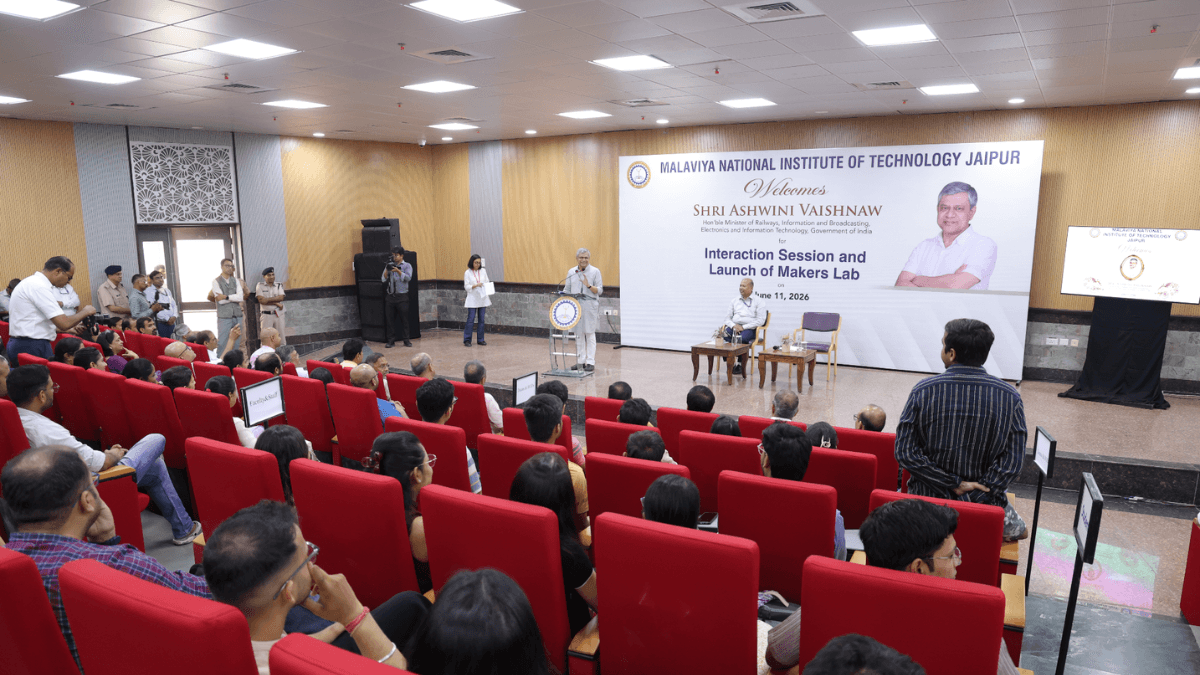
MNIT Jaipur is now home to dedicated quantum computing, quantum communications, and artificial intelligence laboratories. The facility focuses heavily on building domestic capabilities in quantum key distribution and quantum sensing hardware, moving academic research directly into applied national security projects.
Engineering students also gain entry to Lam Research’s Semiverse platform, fundamentally changing how microelectronics are taught. The Semiverse platform operates as a digital twin environment where users replicate exact semiconductor fabrication steps virtually without needing access to a physical, multibillion-dollar foundry. Students study chip structures in three dimensions, making the complex physics of microchip manufacturing far easier to grasp.
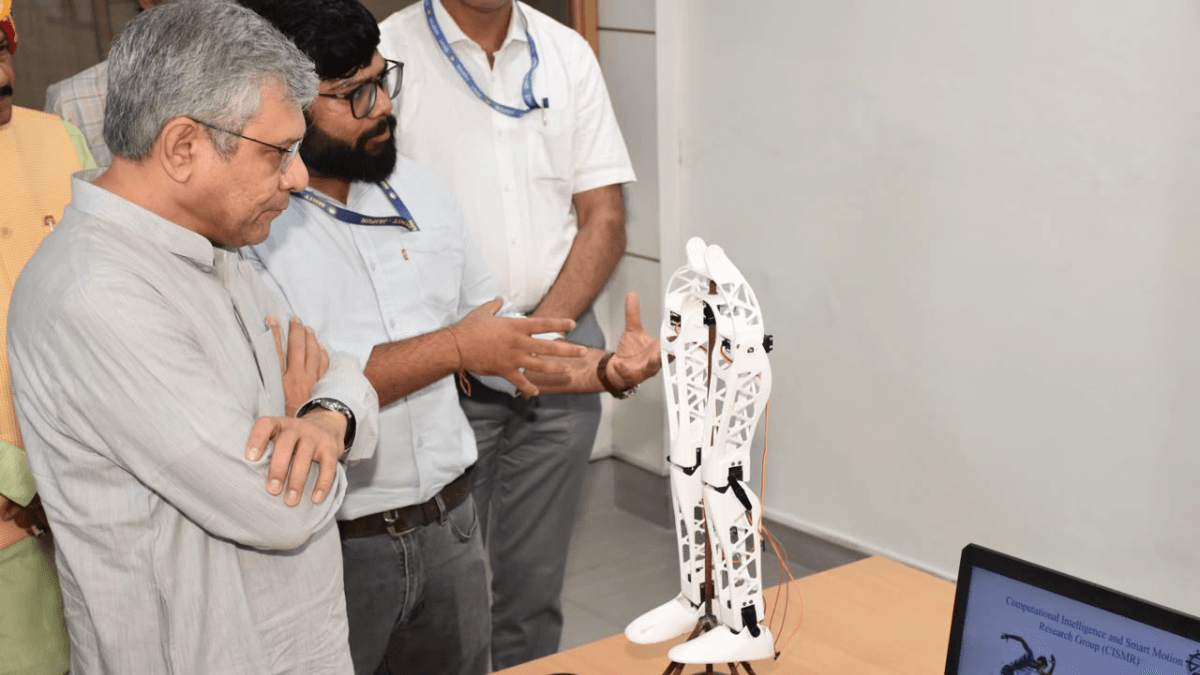
This setup connects directly to the broader IndiaAI mission and existing deep technology projects across Rajasthan. To support this digital curriculum, a newly inaugurated Makers Lab provides hands-on hardware training. Students will work directly with physical sensors, compute devices, and embedded electronic systems.
The Snapshot
ⓘ Sponsored: Unbox Daily HQ earns a commission if you buy through these links, at no extra cost to you. Prices shown are subject to change, and the actual price on Amazon at the time of purchase may vary from what is displayed here.
| Category | Details |
| Project | Advanced Quantum and AI Labs |
| Location | MNIT Jaipur, Rajasthan |
| Key Software | Lam Research Semiverse, Synopsys, Cadence, Renesas |
| Primary Focus | Quantum Key Distribution, semiconductor fabrication |
| Programme | Chips to Startup (C2S) |
| University Reach | 323 institutions nationwide |
| Price | Fully funded for enrolled students |
The Big Picture
The global semiconductor design industry currently faces a workforce shortage exceeding one million professionals. While manufacturing requires massive capital and physical infrastructure, design relies entirely on trained human talent using specialised software. Companies like NVIDIA, ARM, and Qualcomm already execute complex 2-nanometre and 3-nanometre chip designs within their Indian research offices. By introducing these specific fabrication simulators at the university level, the government aims to graduate engineers who require zero upskilling to join these multinational design teams. This accelerates India’s transition from an IT services hub to a core hardware innovator.
The India Prospective
Instead of waiting for physical foundries to become operational across the country, this digital-first approach solves a critical infrastructure bottleneck. Indian engineering colleges rarely have the budget for physical chip manufacturing equipment. Distributing enterprise-grade electronic design automation tools to hundreds of local universities allows students in smaller cities to practice on the exact same platforms used by engineers globally, levelling the technical playing field immediately.
The Inside Intel
The existing national hardware initiative is already producing tangible results. Using these exact software tools, engineering students from various Indian institutions have successfully designed over 100 actual microchips. These student-created designs did not remain purely digital; they were physically manufactured at the Semiconductor Laboratory in Mohali. This proves the direct pipeline between university-level virtual design and functional, domestically produced silicon.
The Unboxed Truth
Unbox Daily HQ views this as a necessary shift from theoretical exams to applied engineering. For students choosing an engineering college this year, the presence of specific industry tools like Semiverse should dictate your decision over general college rankings. If you are pursuing electronics or computer science, this is your direct route into a highly paid sector that desperately needs talent. Track which institutions offer these exact platforms before paying tuition fees anywhere else.
Best for: Engineering candidates prioritising hands-on electronics hardware experience over standard theoretical coursework
Who Is This For: Perfect for 17 to 22 year old science students in India who want a career in microchip design and quantum technology
The Checkout
The Source
Ministry of Electronics and Information Technology | PIB.GOV.
The advanced laboratories and electronic design tools are fully funded for enrolled students at the institution. Furthermore, the government is providing these specialised software tools to 323 universities nationwide through its broader chips programme.
The platform acts as a digital twin environment that allows students to virtually simulate exact fabrication steps and study chip structures in three dimensions. This provides crucial practical training without requiring access to a physical, multibillion-dollar semiconductor foundry.
This facility is perfect for 17 to 22-year-old science students in India who want to build a career in microchip design and quantum technology. It is ideal for candidates who prioritise hands-on electronics hardware experience over standard theoretical coursework.