Thursday, May 28, 2026 |Navi Mumbai
--:-- | --°C | AQI --
If it's not on Unbox Daily HQ, it's not a Launch. Every product, policy and brand launch in India. One hub. What's new?
MCD and NDDB plan to process waste from 125,000 cattle across three Delhi facilities to produce Compressed Bio-Gas.
The Essentials
The Pulse
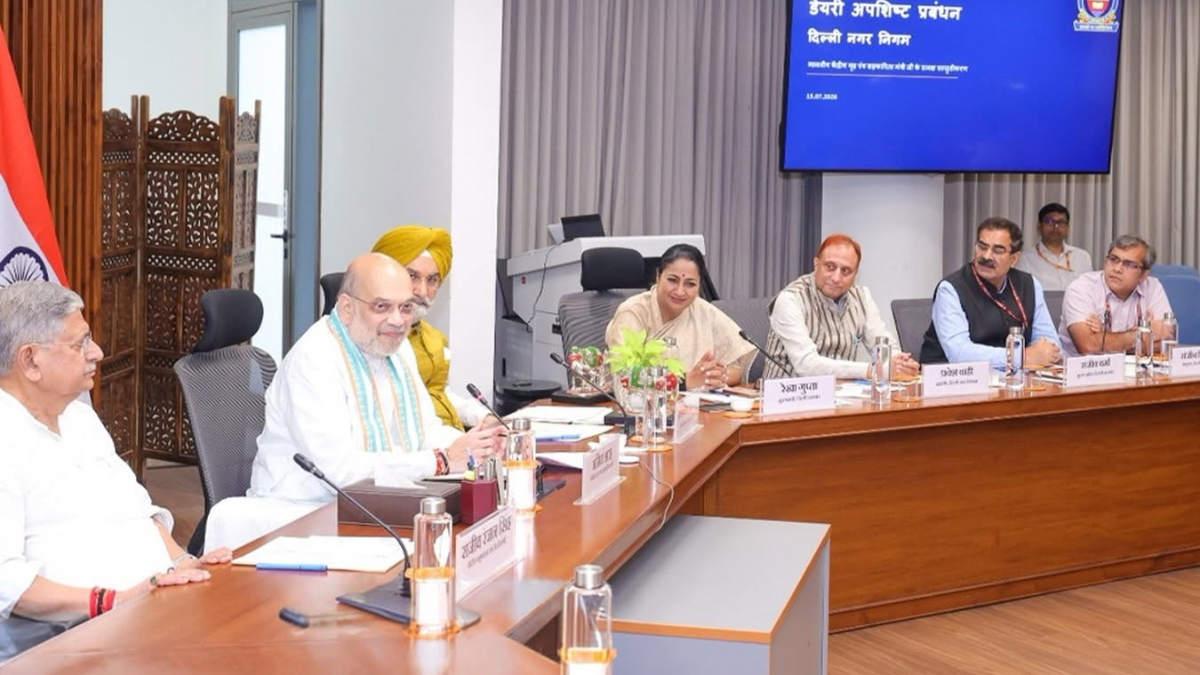
The Municipal Corporation of Delhi and the National Dairy Development Board will pay livestock farmers ₹1 per kilogram for cow dung to fuel new Compressed Bio-Gas plants. This agreement targets the waste generated by 125,000 cattle currently residing within the capital region. The initiative operates under a strict timeline, aiming to prevent any untreated water or animal waste from entering the Yamuna River by December 2028.
Urban sanitation in India frequently struggles with the integration of agricultural and municipal waste streams. This joint venture approaches the issue by treating agricultural runoff as a resource rather than a liability. Generating Compressed Bio-Gas provides a functional output, alongside producing organic fertiliser for agricultural use.
Beyond the new biogas facilities, the broader capital clean-up effort includes approximately 80 treatment plants already under construction to handle industrial and sewer waste. This coordinated approach indicates a shift from isolated municipal projects to a consolidated infrastructure strategy designed to rehabilitate the city’s primary water source.
The Breakdown
ⓘ Sponsored: Unbox Daily HQ earns a commission if you buy through these links, at no extra cost to you. Prices shown are subject to change, and the actual price on Amazon at the time of purchase may vary from what is displayed here.
The infrastructure relies on three designated waste disposal facilities situated at Nangli, Ghoga-Goyla, and Ghazipur. These sites will serve as the primary processing nodes for the incoming organic material. The technical mandate requires converting raw cattle waste into Compressed Bio-Gas suitable for commercial or municipal use. The secondary output from this anaerobic digestion process will be refined into organic fertiliser. The supply chain demands daily procurement and transportation of organic matter from local dairies to these three specific plants, requiring a logistical network capable of weighing and logging deposits to facilitate the promised micro-payments to individual livestock farmers.
The Distinction
The primary differentiator of this municipal agreement is the direct financial incentivisation of waste management at the supplier level. Competing civic clean-up initiatives usually rely on punitive measures or centralised collection networks funded entirely by tax revenue. This framework introduces a micro-economic model where cattle farmers become paid vendors. By assigning a fixed procurement rate to animal waste, the project restructures municipal sanitation from a civic duty into a commercial supply chain, ensuring raw material flows directly into the biogas facilities instead of local waterways.
The Snapshot
| Specification | Detail |
| Project Type | Compressed Bio-Gas (CBG) Plants |
| Managing Entities | MCD and NDDB |
| Plant Locations | Nangli, Ghoga-Goyla, Ghazipur |
| Target Cattle Population | 125,000 |
| Procurement Rate | ₹1 per kilogram of cow dung |
| Zero Discharge Deadline | December 2028 |
| Associated Infrastructure | 80 active sewer/industrial treatment plants |
The Big Picture
River rehabilitation in Indian metros historically isolates industrial effluent from agricultural waste, often failing because non-point source pollution remains unaddressed. The Yamuna receives waste from multiple states, but Delhi’s internal contribution is severe. By involving the National Dairy Development Board, the municipal government bypasses traditional waste management contractors in favour of an agricultural cooperative specialist. This mirrors successful rural biogas models in states like Gujarat but applying it to a dense urban agglomeration tests whether rural cooperative structures can survive municipal density.
The India Prospective
For Delhi residents and urban planners monitoring the Yamuna’s toxicity, this introduces a quantifiable metric for water quality improvement. If the December 2028 deadline holds, it creates a template for other river-adjacent metros like Kanpur or Varanasi dealing with large urban cattle populations. The success of the ₹1 payment model will determine if financial incentives can permanently alter waste disposal habits among urban dairy operators in India.
The Inside Intel
The involvement of the National Dairy Development Board marks a rare instance of a central dairy cooperative authority directly managing a metropolitan city’s sanitation infrastructure, shifting their traditional focus from milk production to municipal waste monetisation.
The Unboxed Truth
Unbox Daily HQ considers this the most pragmatic civic intervention for Delhi’s water crisis this year, not because of the technology, but because the payment model removes the financial burden of waste transport from the farmer. For a 35-year-old urban planner or civil engineer evaluating municipal policies, this shifts the paradigm from penalising polluters to purchasing their pollution. At ₹1 per kilogram, the capital output easily undercuts the long-term healthcare and environmental costs of a toxic river. The one element that makes this worth tracking is the direct involvement of the NDDB, which possesses the actual logistical expertise to manage organic supply chains that municipal corporations typically lack.
Best for: civic analysts and environmental policy researchers who need working templates for urban waste monetisation.
Who Is This For: Perfect for 28 to 55 public policy professionals in major Indian metros who track sustainable infrastructure development.
The Checkout
The Source
PIB.GOV
The Query
The Municipal Corporation of Delhi and NDDB will pay livestock farmers ₹1 per kilogram for cow dung. This procurement programme fuels three new Compressed Bio-Gas plants located at Nangli, Ghoga-Goyla, and Ghazipur. The initiative targets the proper disposal of waste from 125,000 cattle across Delhi.
This project replaces traditional waste management contractors with an agricultural cooperative model that directly pays cattle farmers for waste. Competing civic clean-up initiatives usually rely on punitive measures or centralised taxation. This framework establishes a commercial supply chain by turning environmental waste into a paid resource.
This project is vital for public policy professionals aged 28 to 55 in major Indian metros tracking sustainable infrastructure development. At ₹1 per kilogram, it represents a highly pragmatic civic intervention that eliminates transport costs for farmers. The model efficiently offsets long-term municipal healthcare and environmental expenditure.