Thursday, May 28, 2026 |Navi Mumbai
--:-- | --°C | AQI --
If it's not on Unbox Daily HQ, it's not a Launch. Every product, policy and brand launch in India. One hub. What's new?
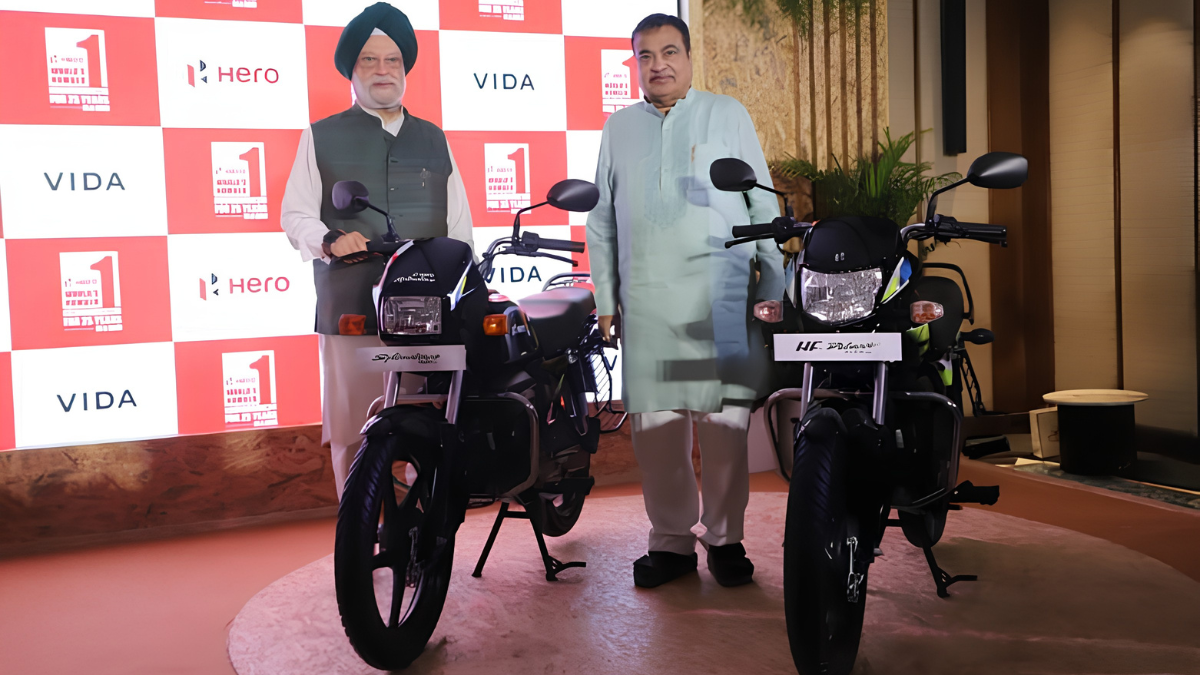
The newly upgraded Splendor+ and HF Deluxe adapt to petrol blends up to E85 while lowering carbon emissions by 77%.
The Essentials
The Pulse
Hero MotoCorp has brought mass-market flex-fuel technology to India with upgraded versions of its popular Splendor+ and HF Deluxe. These motorcycles arrive exactly when daily commuters are feeling the squeeze of climbing petrol bills.
India has over 300 million active two-wheelers on the road. Transitioning even a fraction of these to run on an 85% ethanol blend directly tackles our reliance on imported crude oil. More importantly for your wallet, E85 fuel is expected to sit at a much lower price point than standard petrol.
If you are wondering how the technology actually works, a flex-fuel motorcycle uses an upgraded internal combustion engine and sensor system designed to automatically adjust to different ratios of petrol and ethanol. You can fill up with an E20 blend today and an E85 blend tomorrow without making any manual adjustments to the bike.
With the government aggressively expanding the ethanol distribution network, these bikes are built to take advantage of cheaper fuel the moment it hits your local pump.
ⓘ Sponsored: Unbox Daily HQ earns a commission if you buy through these links, at no extra cost to you. Prices shown are subject to change, and the actual price on Amazon at the time of purchase may vary from what is displayed here.
The Snapshot
| Feature | Details |
| Brand | Hero MotoCorp |
| Models | Splendor+ and HF Deluxe Flex Fuel |
| Fuel Compatibility | E20 to E85 |
| Emissions Impact | Up to 77% carbon monoxide reduction |
| India Price | Price not yet confirmed |
| Availability | Available in India |
The Big Picture
The race for clean mobility in India has largely been dominated by the shift to battery-powered vehicles. Brands like Ola Electric and Ather Energy have successfully pushed buyers towards plug-in scooters. However, electric vehicles require massive upfront infrastructure and rely heavily on imported battery components. Flex-fuel internal combustion engines provide a highly scalable alternative that uses domestic agricultural by-products. By targeting the entry-level commuter segment first, Hero is betting that lower vehicle costs and immediate fuel savings will drive adoption faster than building charging stations.
The India Prospective
For a delivery executive or daily office commuter in a tier-two city, the maths behind this technology is crucial. According to government studies, using cheaper E85 fuel allows riders to recover the entire cost of the motorcycle within approximately three years. This makes it an incredibly practical option in regions where electric vehicle charging infrastructure remains unreliable, capitalising instead on India’s rapidly expanding network of physical ethanol fuel stations.
The Inside Intel
India’s aggressive shift towards ethanol blends has already turned the agricultural sector into active energy producers on a massive scale. Since the 2014 financial year, the national ethanol blending programme has generated an astonishing ₹1.58 lakh crore in direct earnings for Indian farmers. The leftover crop waste that previously caused significant disposal challenges is now directly fuelling the country’s transport network and saving foreign exchange.
The Unboxed Truth
Unbox Daily HQ views this as a highly practical stopgap before full electrification becomes viable for everyone. If you clock heavy mileage daily and live in a state rapidly rolling out E85 fuel stations, waiting for the official price on these flex-fuel models is a smart move. While an EV saves money on charging, the higher upfront cost often deters budget buyers. These Hero bikes give you the familiar reliability of an internal combustion engine with the running costs of a much cheaper fuel alternative. Hold off on buying a standard petrol commuter bike until these hit the showrooms.
Best for: Daily commuters and delivery partners who clock high monthly mileage and prioritise running costs over premium features.
Who Is This For: Perfect for 22 to 45-year-old working professionals and gig workers in tier-one and tier-two cities who rely entirely on two-wheelers for daily transit.
The Checkout
The Source
Ministry of Petroleum and Natural Gas | PIB.GOV.
The official price for the flex-fuel versions of the Splendor+ and HF Deluxe has not yet been confirmed. However, these models are confirmed for launch in the Indian mass market.
Unlike electric scooters from brands like Ola Electric and Ather Energy, these vehicles run on homegrown agricultural biofuels instead of relying heavily on imported battery components. They use upgraded internal combustion engines that automatically adapt to any petrol and ethanol blend from E20 to E85. This technology avoids battery-related upstream carbon emissions while lowering vehicle carbon monoxide output by 77%.
This vehicle is highly worth considering for daily commuters and delivery partners who clock high monthly mileage and want to cut running costs. By using cheaper E85 fuel, riders can expect to recover the entire cost of the motorcycle within approximately three years. It serves as a practical option for those who want lower fuel bills but live in regions where electric vehicle charging infrastructure remains unreliable.