Thursday, May 28, 2026 |Navi Mumbai
--:-- | --°C | AQI --
If it's not on Unbox Daily HQ, it's not a Launch. Every product, policy and brand launch in India. One hub. What's new?
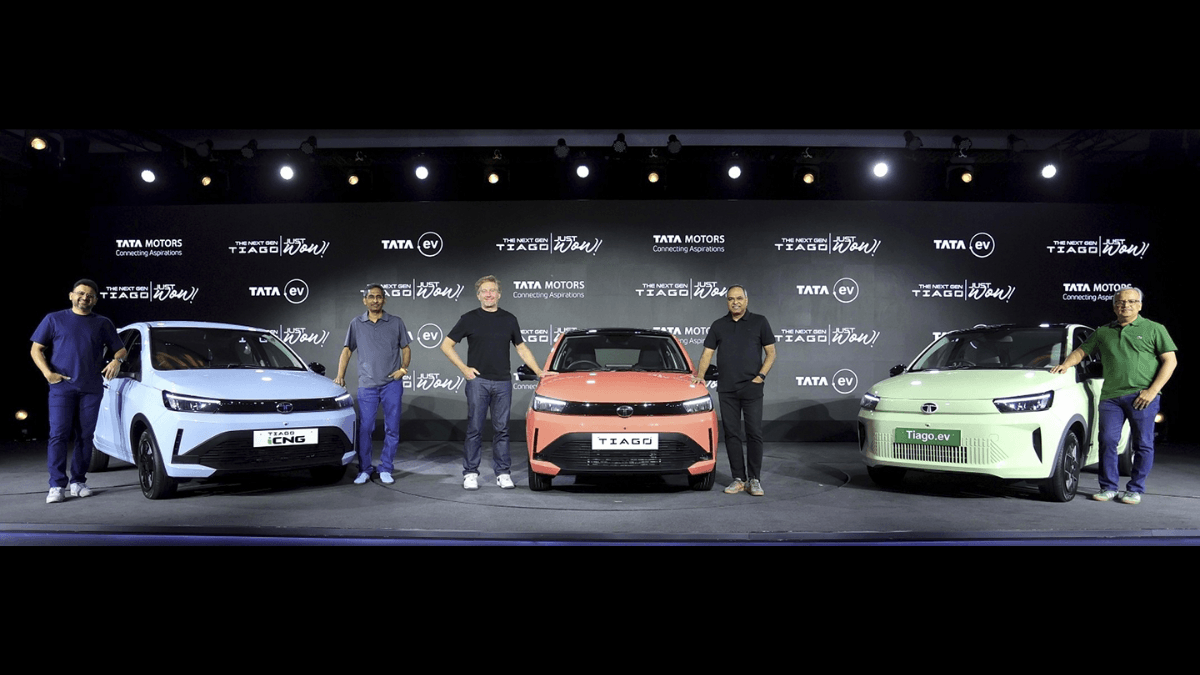
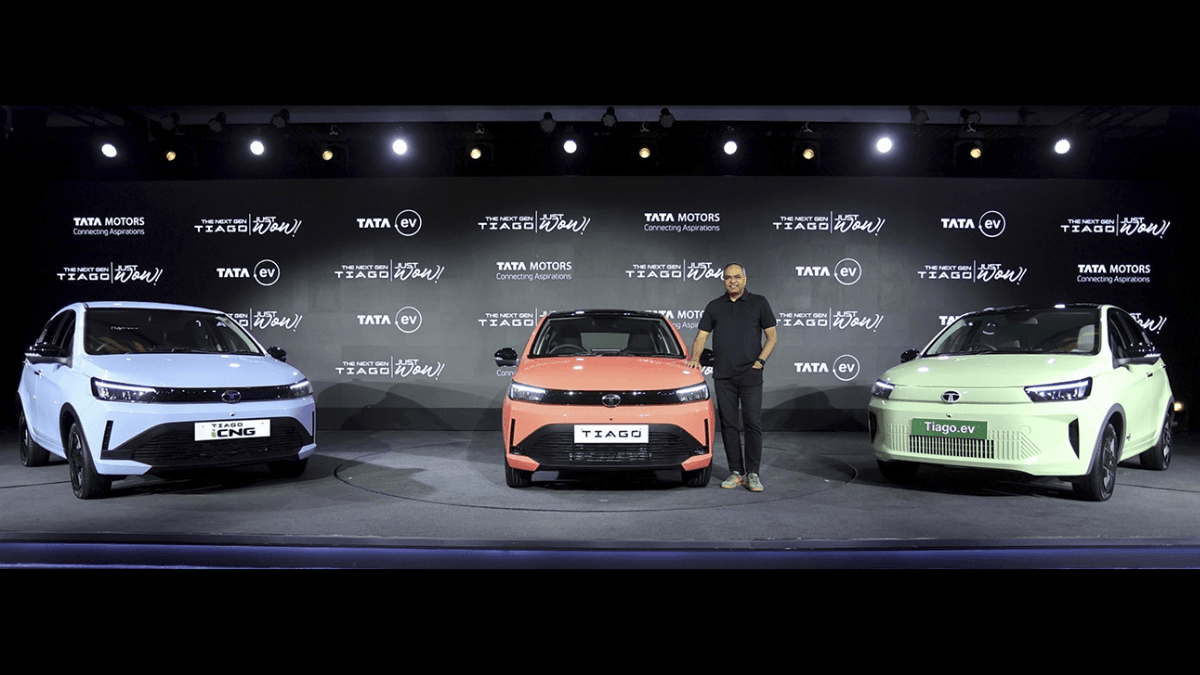
Tata Motors Passenger Vehicles has overhauled the Tiago with a battery subscription model and a 15-year warranty.
The Essentials
The Pulse
The most critical detail here is not just the vehicle itself, but the entirely new financial structure backing it up. The updated Tiago.ev introduces an industry-first 15-year lifetime high-voltage battery warranty for its first owners, effectively removing the risk from long-term ownership. This directly addresses the biggest fear Indian buyers have regarding electric vehicles: the looming, unpredictable cost of a dead battery down the line.
The starting price of the new Tata Tiago is ₹4.69 lakh for the petrol version and ₹6.99 lakh for the EV. That upfront EV price drops to ₹4.69 lakh if you opt for the Battery-as-a-Service model, where you simply pay a usage fee of ₹2.6 per kilometre instead. When paired with enhanced fast charging that adds 100 kilometres of range in just 18 minutes, this hatchback suddenly fits perfectly into the tightest schedules without requiring overnight garage access.
The Snapshot
| Specs. | Details |
| Model | Tata Tiago & Tiago.ev |
| Powertrains | Petrol, iCNG, Electric |
| Starting Price (Petrol) | ₹4.69 lakh |
| Starting Price (EV) | ₹6.99 lakh (Outright) |
| EV BaaS Price | ₹4.69 lakh + ₹2.6/km battery EMI |
| Fast Charging | 100 kilometres in 18 minutes |
| Warranty | 15-year lifetime battery warranty |
| Infotainment | 26.03 HD touchscreen display |
| Safety | 360-degree surround view camera |
The Big Picture
ⓘ Sponsored: Unbox Daily HQ earns a commission if you buy through these links, at no extra cost to you. Prices shown are subject to change, and the actual price on Amazon at the time of purchase may vary from what is displayed here.
In a sub-₹12 lakh segment where electric vehicle penetration remains below two per cent, upfront pricing is the primary hurdle for mass adoption. By matching the initial cost of their EV to its petrol counterpart, Tata Motors Passenger Vehicles is directly challenging ICE stalwarts like the Maruti Suzuki Swift and Hyundai Grand i10 Nios. This signals a definitive shift from treating electric cars as premium novelties to positioning them as standard financial assets. The addition of safety tech like a 360-degree camera across the board forces the entire entry-level market to recalibrate its value for money.
The India Prospective
For a professional commuting in Bengaluru or Mumbai, the BaaS model fundamentally changes the maths. A running cost of ₹2.6 per kilometre on battery EMI is highly competitive when compared to the daily fuel expenses of riding a petrol scooter or sitting in traffic. Additionally, the iCNG variant offers an automated manual transmission, saving your left leg in notorious stop-and-go congestion while preserving boot space through its twin-cylinder setup.
The Inside Intel
You might still refer to the brand as Tata Motors, but the company officially changed its legal name to Tata Motors Passenger Vehicles Limited in October 2025 following a tribunal sanction. This was part of a major corporate restructuring to completely separate its heavy commercial trucking operations from its consumer car division. The shift allows the company to dedicate entirely focused research and development towards passenger technologies like these new electric architectures.
The Unboxed Truth
Unbox Daily HQ sees this as an immediate shortlist candidate if you are currently relying on ride-hailing apps or two-wheelers for your daily office commute. The outright ₹6.99 lakh price tag for the EV is absolutely worth the investment for anyone with predictable daily mileage, especially since the 15-year battery warranty eliminates long-term maintenance anxiety. The single most compelling addition is that 18-minute fast charge for 100 kilometres, meaning a quick coffee stop is enough to cover three days of typical city driving. Buy the electric or CNG variant; the standard petrol model simply cannot match this level of everyday utility.
Best for: Urban professionals managing a long daily commute who want drastically lower running costs without sacrificing cabin tech.
Who Is This For: Perfect for 28 to 42-year-old city residents in heavily congested metros who want to switch from two-wheelers to a safer cabin.
The Checkout
The Source
Tata Motors Passenger Vehicles
The electric vehicle variant starts at an outright price of ₹6.99 lakh. Alternatively, you can choose the Battery-as-a-Service finance option, which reduces the initial cost to ₹4.69 lakh alongside a running battery EMI of ₹2.6 per kilometre.
Unlike its petrol rivals, this hatchback introduces a battery subscription model that completely eliminates the traditional electric vehicle upfront price penalty. It also features an 18-minute fast charging capability that adds 100 kilometres of range to the battery. Furthermore, the car includes an industry-first 15-year high-voltage battery warranty for the first owner.
This vehicle is highly practical for anyone looking to cut down on expensive daily commuting bills in congested metropolitan areas. The low running costs on the electric and automated iCNG models offer immediate value for money. It is an ideal option for urban commuters upgrading from two-wheelers or ride-hailing apps to a safer, highly connected cabin.