Thursday, May 28, 2026 |Navi Mumbai
--:-- | --°C | AQI --
If it's not on Unbox Daily HQ, it's not a Launch. Every product, policy and brand launch in India. One hub. What's new?
The Health Ministry has integrated multiple training programmes into one digital-first framework for frontline medical teams.
The Essentials
The Pulse
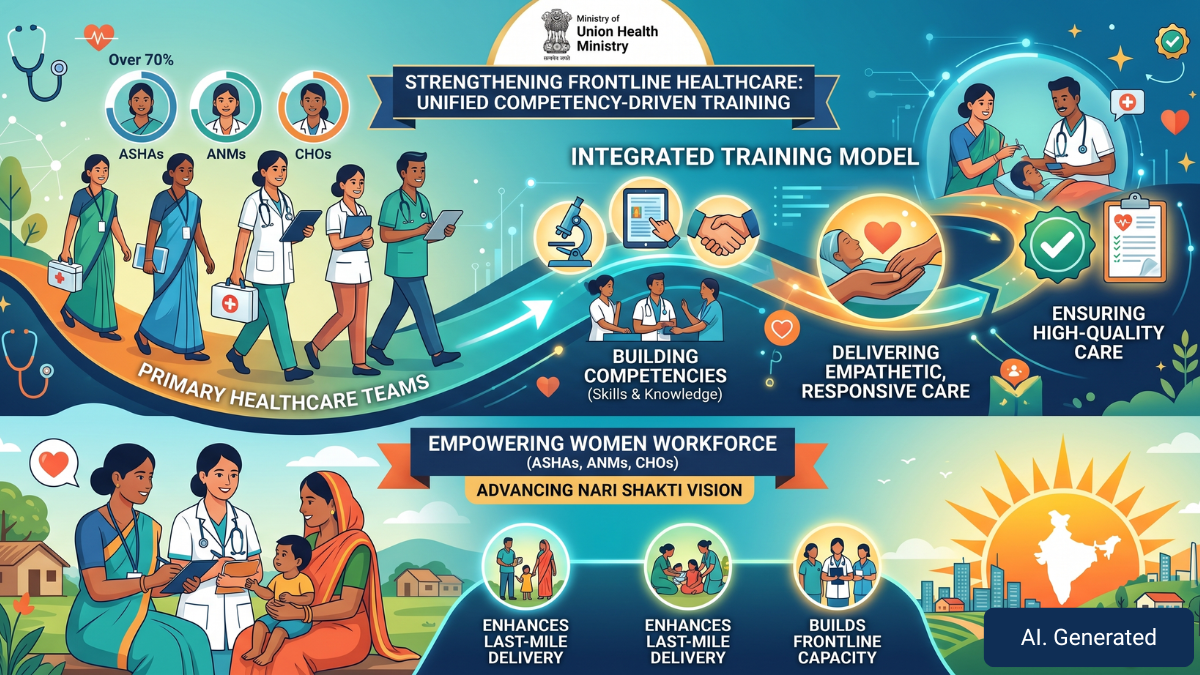
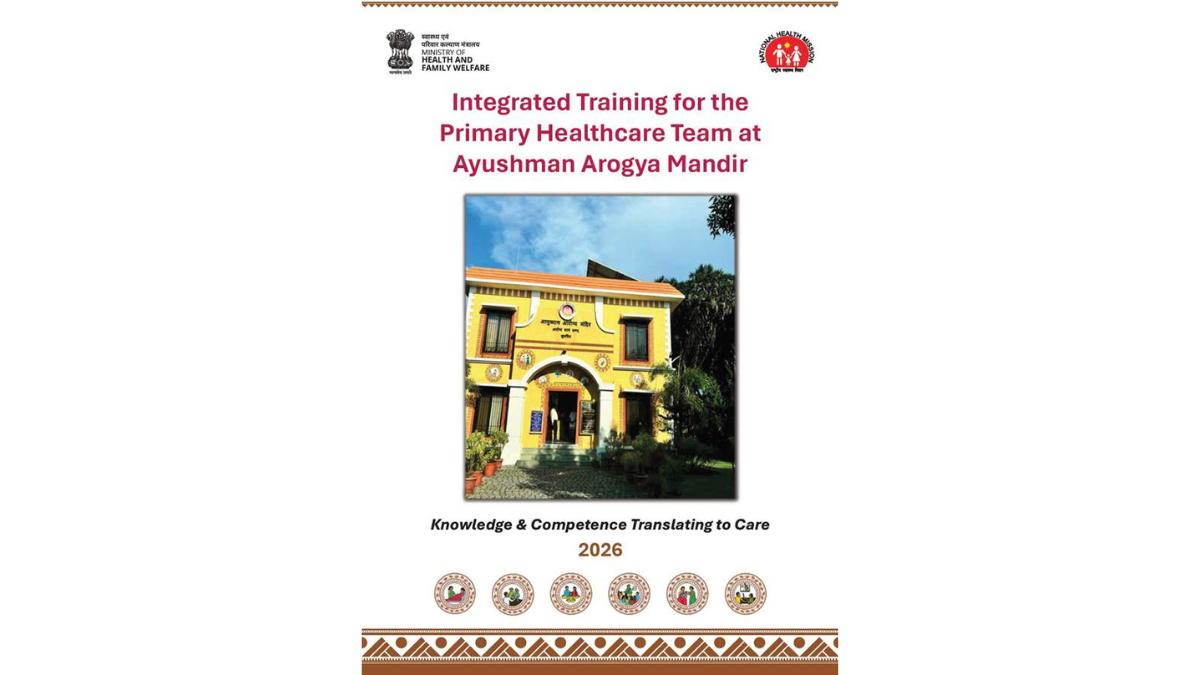
The Union Health Ministry is overhauling how frontline teams at Ayushman Arogya Mandirs are prepared for their roles. By merging separate, programme-based sessions into one integrated model, the government is trying to eliminate the confusion of disjointed training. This move specifically targets the community-based workforce, ensuring that the person treating you at a local clinic has a standardised set of skills.
Will this improve the quality of care in Indian villages and towns? The framework focuses on making healthcare more empathetic and responsive, which is often the biggest hurdle in public health. By using the iGOT Karmayogi platform, the ministry is moving away from one-time workshops to a model where a health worker can update their skills on a smartphone.
This initiative is a critical piece of the Viksit Bharat @2047 goal, aimed at reducing the pressure on tertiary hospitals like AIIMS. If the frontline team can handle prevention and early detection accurately, fewer people will need to travel to cities for basic complications.
The Snapshot
ⓘ Sponsored: Unbox Daily HQ earns a commission if you buy through these links, at no extra cost to you. Prices shown are subject to change, and the actual price on Amazon at the time of purchase may vary from what is displayed here.
| Detail | Status |
| Programme Name | Integrated Training for Primary Healthcare Teams |
| Launching Authority | Ministry of Health and Family Welfare |
| Primary Beneficiaries | ASHAs, ANMs, and CHOs |
| Digital Platform | iGOT Karmayogi |
| Target Reach | National (Last-mile delivery) |
| India Price | Government-funded initiative |
| Key Goal | Comprehensive Primary Health Care (CPHC) |
The Big Picture
This shift mirrors a global trend where healthcare moves away from hospital-centric models to community-led ones. In India, this puts the Ministry in direct competition with the logistical challenges faced by private healthcare aggregators like Apollo 24/7 or Tata 1mg, which also rely on standardised training for their home-care staff. However, the scale here is vastly different. By digitising the curriculum, the government is attempting to synchronise millions of workers, a feat no private player has managed across rural India.
The India Prospective
This framework is built to work with existing digital infrastructure like the iGOT Karmayogi platform, meaning a CHO in a remote village can access the same training quality as one in a metro suburb. For you, this means the person managing your domestic help’s health or your driver’s family clinic is now part of a standardised system, reducing the erratic quality typical of rural centres. While there is no direct cost to you, the shift towards preventive care is designed to catch lifestyle diseases like diabetes early, potentially saving your household staff from the crippling private hospital debts that often become your financial burden too.
The Inside Intel
The training is specifically designed to empower the women who form the backbone of the system. More than seven out of ten frontline workers in this programme are women, meaning the success of India’s healthcare future is now officially tied to the professional growth and digital literacy of its female workforce.
The Unboxed Truth
Unbox Daily HQ. views this as a necessary infrastructure upgrade for the people who actually keep the country healthy. For a working professional in a city, this matters because it strengthens the medical safety net for your extended family or staff living in smaller towns. The investment in the iGOT Karmayogi platform suggests the government is finally treating frontline healthcare like a modern service industry rather than a volunteer effort. If you have been hesitant about the quality of local public clinics, this unified training is the one thing that could actually change your mind. It is a long-term play that makes the system more reliable.
Best for: Young professionals with elderly parents in Tier-2 or Tier-3 cities who rely on local healthcare centres.
Who Is This For: Perfect for 28 to 50-year-old Indians concerned about public health delivery and the professionalisation of frontline workers.
The Checkout
Ministry of Health and Family Welfare
The Source
Ministry of Health and Family Welfare | PIB.GOV.
The Ministry of Health and Family Welfare has already launched this framework across the country to strengthen frontline delivery. It is a government-led initiative currently being implemented at Ayushman Arogya Mandirs nationwide.
The digital platform provides a unified framework for continuous learning, replacing old, fragmented training sessions. It allows frontline workers to access standardised medical knowledge and update their skills directly on their smartphones.
This integrated model is designed to improve the quality of care by ensuring every local health worker has the same competency level. For rural patients, it means more reliable prevention and early detection of diseases, which reduces the need for expensive travel to city hospitals.