Thursday, May 28, 2026 |Navi Mumbai
--:-- | --°C | AQI --
If it's not on Unbox Daily HQ, it's not a Launch. Every product, policy and brand launch in India. One hub. What's new?
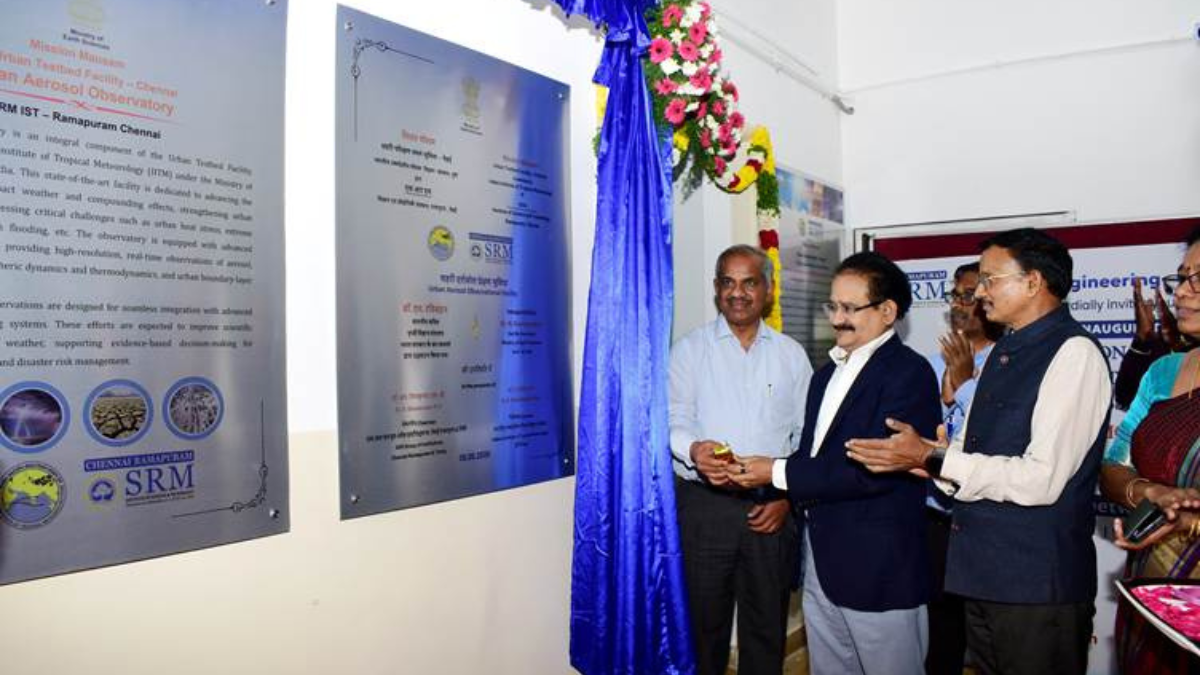
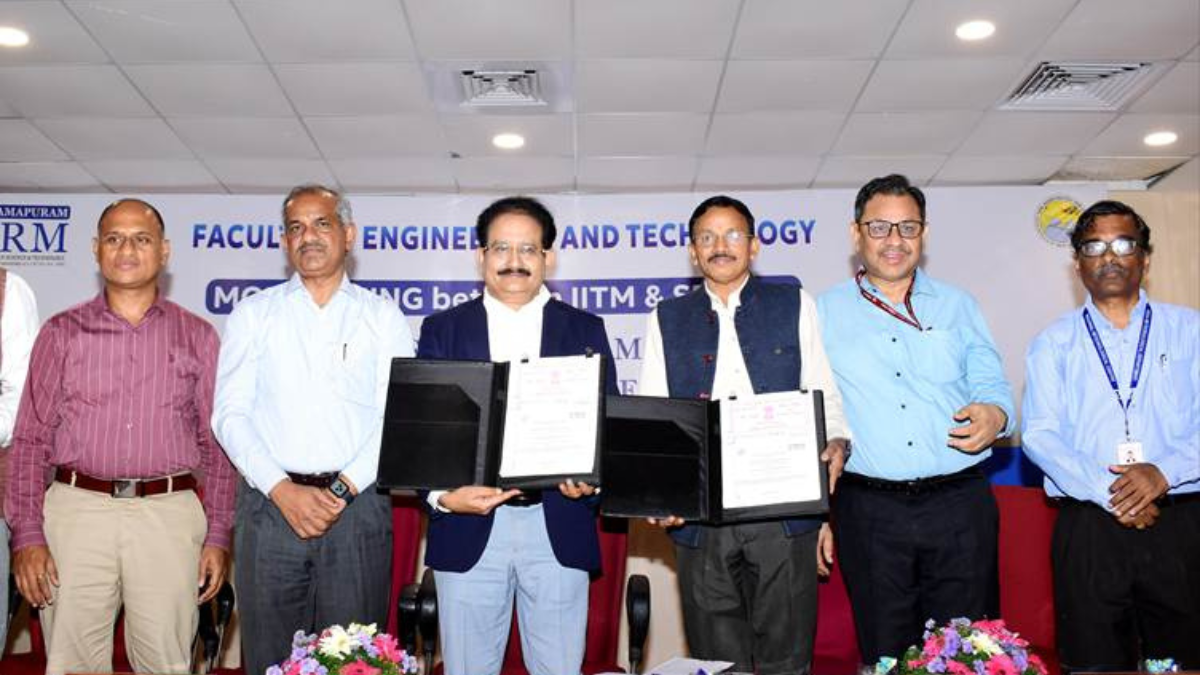
Chennai now hosts a specialised atmospheric observatory designed to track 50 types of weather data in real-time.
The Essentials
The Pulse
Chennai is the first city in India to receive a comprehensive urban testbed of this scale. While the city already has various monitoring tools, they are often scattered; this new laboratory centralises the tracking of nearly 50 different atmospheric variables. It is part of the larger Mission Mausam initiative, which focuses on making the country better prepared for erratic weather patterns.
How will this facility improve weather forecasts in Chennai? By measuring the physical and chemical properties of aerosols and the speed of airborne particles, scientists can now predict exactly how these factors influence rain and heat in the city. The data will help create a clearer picture of how global warming is affecting the local region in the short term.
The setup is quite extensive, including 100 automatic weather stations spread across urban and suburban zones. It also features three X-band radars, including a phased array version that keeps a constant eye on approaching rain bands. This means the next time a heavy spell of rain moves toward the coast, the data will be far more precise than traditional satellite images allow.
The Snapshot
ⓘ Sponsored: Unbox Daily HQ earns a commission if you buy through these links, at no extra cost to you. Prices shown are subject to change, and the actual price on Amazon at the time of purchase may vary from what is displayed here.
| Feature | Details |
| Facility Name | Urban Testbed and Aerosol Observatory |
| Location | SRMIST, Ramapuram, Chennai |
| Primary Initiative | Mission Mausam |
| Total Investment | Over ₹60 crore |
| Instruments | 15 types (including Lidar, Sodar, and Wind Profilers) |
| Monitoring Stations | 100 Automatic Weather Stations (AWS) |
| Key Technology | Phased array X-band radar for rain tracking |
| Data Points | Approximately 50 atmospheric variables |
| Launch Date | 06 May 2026 |
| Availability | Operational for research and public forecasting |
The Big Picture
Urban flooding and heat islands are becoming the defining challenges for Indian metros like Mumbai, Bengaluru, and Chennai. Traditional regional models often miss the hyper-local variations that happen within a city’s concrete landscape. By focusing specifically on the “urban” element, this testbed moves India closer to the precision weather services seen in cities like Tokyo or London. It sets a precedent for how the Ministry of Earth Sciences might eventually tackle weather unpredictability in other dense Indian coastal hubs.
The Inside Intel
The facility doesn’t just look at the sky; it looks at the chemistry of the air. It is equipped to distinguish between organic and inorganic aerosols. This is crucial because different types of particles affect how clouds form and how much heat the city traps, a level of detail that standard weather stations simply cannot provide.
The Unboxed Truth
Unbox Daily HQ. views this as a vital upgrade for anyone living or working in Chennai. The data it generates will soon become the backbone of the weather apps and alerts you rely on daily. For a city that has faced repeated climate-related disruptions, the ₹60 crore investment in high-precision hardware is excellent value for money. It transitions our weather tracking from broad guesses to data-driven certainty. You should keep a closer eye on official IMD Chennai updates over the coming monsoon, as the accuracy of “nowcasting” is about to improve significantly.
Best for: Chennai residents and local business owners who need to plan around unpredictable coastal rain.
Who Is This For: Perfect for 25 to 60 year old professionals and commuters in Chennai who require precise weather data for daily safety and logistics.
The Checkout
The Source
Ministry of Earth Sciences | PIB.GOV.
The Ministry of Earth Sciences has invested over ₹60 crore into this facility at SRMIST. This funding covers approximately 15 types of sophisticated instruments and 100 automatic weather stations across the city.
Unlike traditional tools, this facility tracks nearly 50 different atmospheric variables, including the specific chemical nature of aerosols. It uses phased array radar and wind profilers to provide precise data on approaching rain bands and the transition between land and sea breezes.
This facility is essential for any resident or business owner in Chennai who relies on accurate, short-term weather alerts. The data generated will lead to much more precise forecasts, helping people plan for heavy rain and heat variations within the city.