Thursday, May 28, 2026 |Navi Mumbai
--:-- | --°C | AQI --
If it's not on Unbox Daily HQ, it's not a Launch. Every product, policy and brand launch in India. One hub. What's new?
A new ₹75 crore facility at the Indian Institute of Astrophysics arrives in Bengaluru to boost India's space research.
The Essentials
The Pulse
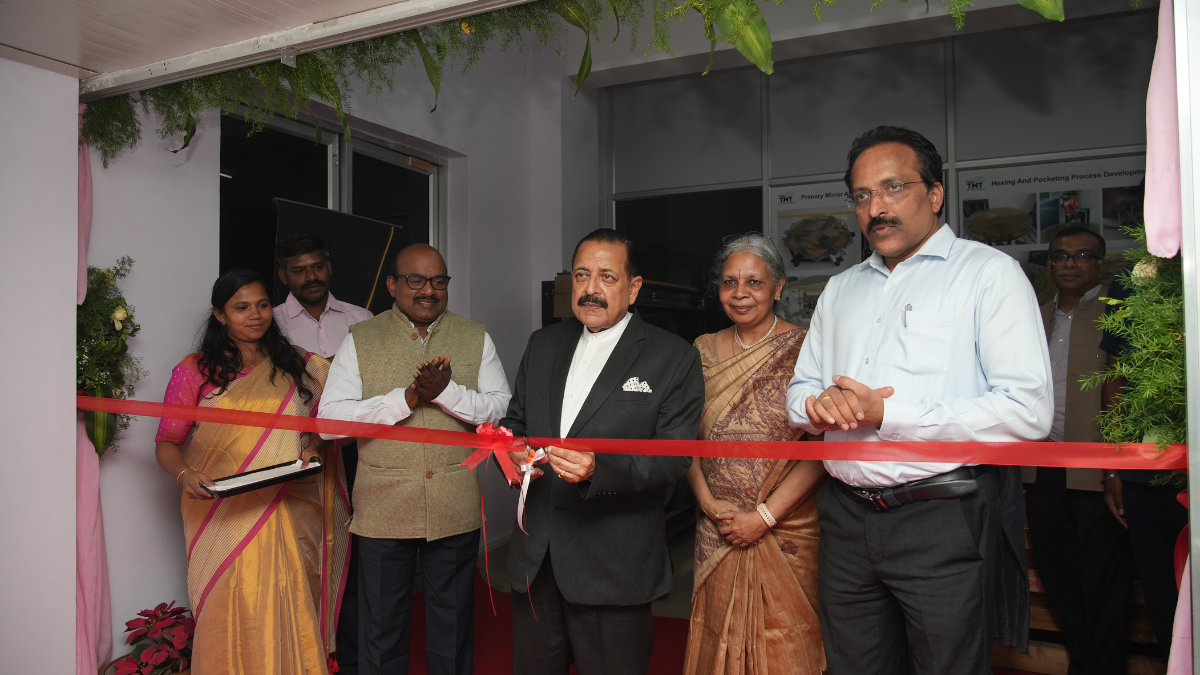
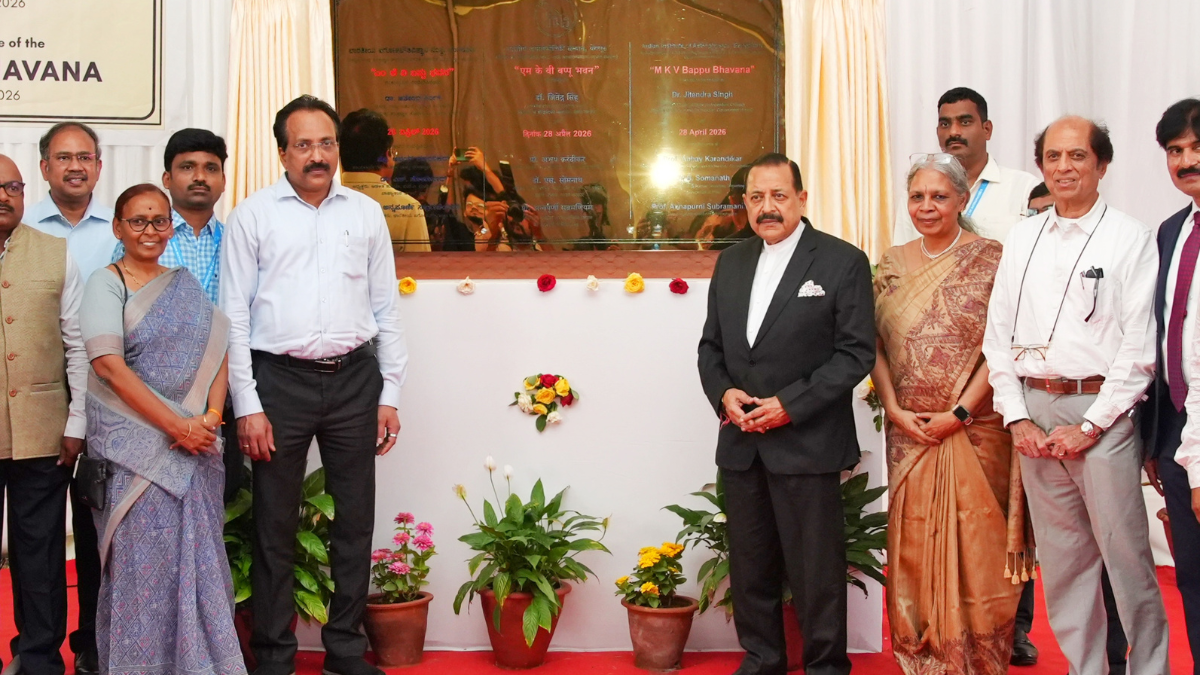
Bengaluru is strengthening its position as a centre for space research in India with a new ₹75 crore expansion at the Indian Institute of Astrophysics (IIA). This new seven-storey building, spanning nearly one lakh square feet, is designed to be a primary scientific hub for advanced astronomy. It will house modern laboratories, classrooms and conference facilities to support the next generation of Indian scientists.
If you are wondering what the new building at IIA Bengaluru is for, it is designed to manage the growing requirements of national space missions and observational science. The facility is named after Professor Manali Kallat Vainu Bappu, the founding Director of the institute. This project comes at a time when Indian technology is increasingly being sought after by international space agencies and the defence sector.
The expansion also supports the goals set out in the Union Budget 2026, which detailed four major telescope projects for the country. These include a National Large Optical-Infrared Telescope and an upgrade to the Himalayan Chandra Telescope. By providing better workspace and equipment, such as the newly introduced Aspheric Grinder and Polisher, the institute is preparing to lead these high-stakes national assignments.
The Snapshot
ⓘ Sponsored: Unbox Daily HQ earns a commission if you buy through these links, at no extra cost to you. Prices shown are subject to change, and the actual price on Amazon at the time of purchase may vary from what is displayed here.
| Detail | Information |
| Organisation | Indian Institute of Astrophysics (IIA) |
| Project Name | M.K.V. Bappu Bhavana |
| Location | Koramangala, Bengaluru |
| Investment | ₹75 Crore |
| Total Area | Nearly 1 lakh square feet |
| Building Height | Seven storeys |
| Key Facilities | Advanced labs, classrooms, office spaces, conference facility |
| Executing Agency | Central Public Works Department (CPWD) |
| Estimated Completion | 2028 (2 years) |
| Associated Projects | National Large Solar Telescope, COSMOS-2 Planetarium |
The Big Picture
This expansion reflects the rapid growth of the Indian space and research sector, which is moving beyond satellite deployment into complex observational astronomy. While ISRO handles the missions, the IIA provides the scientific backbone and instrumentation that make these voyages possible. As India competes with global players like NASA and ESA, modernising local infrastructure is vital. This move ensures that Indian researchers have the tools to compete with international standards, similar to the growth seen in India’s private space startups like Skyroot Aerospace.
The Inside Intel
The Indian Institute of Astrophysics carries a massive legacy that dates back over 300 years. It traces its origins all the way back to the Madras Observatory, which was established in 1786. This makes it one of the oldest scientific institutions in the country, long predating modern space agencies.
The UDHQ. Take
Unbox Daily HQ. views this expansion as a necessary upgrade for India’s scientific community. While ₹75 crore is a significant investment, the value lies in the self-reliance it builds for our space missions. For a long time, India relied on international facilities for high-end optical polishing and advanced instrumentation; having these capabilities in Bengaluru reduces that dependency.
If and when these new laboratories become fully operational in two years, they will likely become the go-to centre for any Indian student pursuing high-level astrophysics. It is a solid commitment to fundamental science that often gets overshadowed by flashy rocket starts. For those tracking the progress of the National Large Solar Telescope, this building is the first physical sign that those ambitious goals are being taken seriously.
Best for: Science post-graduates and PhD aspirants who want to work on national space missions without moving abroad.
Who Is This For: Perfect for 18–35 year-old students and researchers in Bengaluru who are looking for advanced facilities in observational astronomy and space instrumentation.
The Checkout
Indian Institute of Astrophysics
The Source
Ministry of Science & Technology | PIB.GOV