Thursday, May 28, 2026 |Navi Mumbai
--:-- | --°C | AQI --
If it's not on Unbox Daily HQ, it's not a Launch. Every product, policy and brand launch in India. One hub. What's new?
Telangana adopts the Suvidha urban sanitation model, but local taxpayers fund the building costs.
The Takeaway
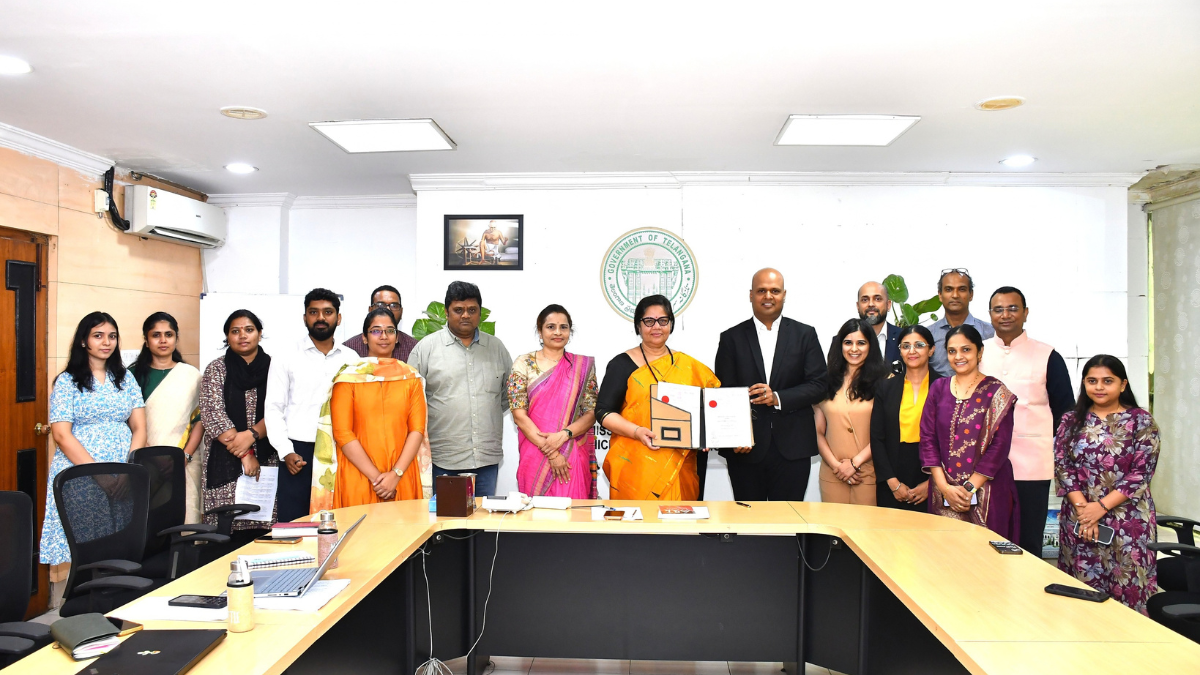
The Government of Telangana and Hindustan Unilever Limited (HUL) have partnered to scale the Suvidha urban sanitation model across the state’s urban local bodies.
Under the partnership, HUL will serve as a knowledge and design partner, sharing technical expertise, operational learnings and behaviour-change approaches developed through the Suvidha model in Mumbai. The Government of Telangana will use these learnings to establish and operate centres based on the model.
Suvidha centres bring multiple hygiene services together under one roof, including clean toilets, safe drinking water, showers and laundry facilities. HUL says the model was designed around human-centred design, community ownership, sustainable operations and partnerships.
Telangana to Adapt Mumbai’s Suvidha Model
The partnership builds on Suvidha’s experience in Mumbai, where the model was launched in 2016 in partnership with the Brihanmumbai Municipal Corporation (BMC).
ⓘ Sponsored: Unbox Daily HQ earns a commission if you buy through these links, at no extra cost to you. Prices shown are subject to change, and the actual price on Amazon at the time of purchase may vary from what is displayed here.
HUL currently describes Suvidha as operating through 26 centres and serving more than 600,000 people annually, with more than 10 crore cumulative service uses. While HUL is scaling Nano Distribution Centres across India to ensure your daily essentials arrive faster than ever, this municipal initiative focuses strictly on civic infrastructure. The Mumbai programme has involved HUL, BMC, HSBC India and JSW Foundation, with additional partners supporting operations and governance.
The Telangana agreement represents a different implementation arrangement: HUL’s role is specifically described as providing knowledge, technical expertise, design inputs, operational learnings and behaviour-change approaches, while the Telangana government will establish and operate centres based on these learnings.
What Services Will Suvidha Centres Provide?
The Suvidha model combines several essential hygiene services in a single facility:
HUL says its Mumbai centres also incorporate features such as solar power, water-saving systems, greywater treatment and community engagement programmes. The exact facilities and sustainability features to be adopted at Telangana centres will depend on how the state implements the model.
How the Mumbai Model Is Financed and Operated
The Mumbai Suvidha programme is a public-private partnership. HUL’s published information states that HSBC India and JSW Foundation co-fund the centres, while BMC provides land and regulatory support. United Way Mumbai and Pratha Samajik Sanstha have been involved in daily operations and community engagement, with EY serving as a governance partner.
The financial and operational structure for Telangana is not identical in the information currently published by HUL. HUL has only confirmed that it will act as the knowledge and design partner, while the Government of Telangana will establish and operate the centres.
Financial Sustainability of the Suvidha Model
A key feature of the Mumbai Suvidha model is its focus on financially sustainable operations.
HUL says affordable services, including laundry facilities and monthly toilet passes, generate revenue and that its Mumbai centres reach operational break-even within nine months of inception. The model also uses community engagement and behaviour-change programmes to encourage regular use and local ownership.
However, this does not establish that Telangana’s future centres will use exactly the same pricing structure. The state’s implementation details, including user charges and operating arrangements, have not been fully specified in the announcement.
Reported Health and Community Impact
HUL cites independent assessments by RTI, Deloitte and Dalberg in reporting the impact of the Mumbai Suvidha programme.
According to HUL, assessments have found a 50% reduction in reported diarrhoeal incidence among Suvidha users, while the company’s current announcement says households using Suvidha unlock more than ₹33,500 annually through time saved and medical costs avoided. These are reported findings associated with the Mumbai programme and should not be interpreted as guaranteed outcomes for Telangana.
HUL also says the Mumbai model has achieved 95% user satisfaction and more than 10 crore cumulative service uses across a decade.
Suvidha’s Wider National Role
The Telangana partnership is part of a broader effort to share Suvidha’s design and operational learnings.
HUL and the Ministry of Housing and Urban Affairs (MoHUA) signed an agreement in 2024 to establish a Centre of Excellence focused on public hygiene and sanitation. The initiative is intended to provide innovation and design expertise to Urban Local Bodies and support the development of model sanitation facilities across Indian cities.
HUL says the Suvidha playbook has since been codified into an open toolkit and adopted nationally through its collaboration with MoHUA.
Suvidha Sanitation Model: Mumbai and Telangana
| Metric | Mumbai Suvidha Model | Telangana Partnership |
| HUL’s role | Social innovation partner and programme participant | Knowledge and design partner |
| Government role | BMC partnership and support | Telangana Government to establish and operate centres |
| Core services | Toilets, drinking water, showers and laundry | Based on the Suvidha model |
| Current scale | 26 centres, according to HUL | Scale and locations not yet specified |
| Annual reach | 600,000+ people, according to HUL | Not yet announced |
| Operating model | Public-private partnership | State-led implementation using HUL’s expertise |
| Financial model | Operationally self-sustaining in Mumbai, according to HUL | Pricing and financial arrangements not yet specified |
The Unboxed Truth
The Telangana-HUL agreement is primarily a knowledge-transfer and design partnership rather than an announcement of HUL directly funding a new network of sanitation centres.
The immediate significance is that Telangana can draw on a decade of Suvidha’s operational and design experience in Mumbai while developing its own facilities through state-led implementation. The eventual impact will depend on how the model is adapted locally, including decisions on locations, construction, operations, community engagement and financial sustainability.
At this stage, the publicly announced agreement does not provide enough information to conclude that Telangana residents will have to pay specific monthly fees, that the state will bear all construction costs, or that NGOs will operate every facility. Those details should be assessed once the state releases its implementation framework.
Best for: Urban communities and local governments looking to improve access to integrated sanitation and hygiene facilities.
Who Is This For: Urban Local Bodies, municipal planners and communities in Telangana that may be covered by future Suvidha-based facilities.
Courtesy: Hindustan Unilever Limited / Government of Telangana
This article is for informational purposes and does not constitute financial, medical or investment advice.
The exact pricing for Suvidha centres under the new Telangana partnership has not yet been announced. The existing Mumbai Suvidha model uses affordable user charges, including monthly passes for toilet services and fees for facilities such as laundry and showers, as part of its approach to financial sustainability.
HUL says the Mumbai model reaches operational break-even within nine months. However, the pricing and payment structure used in Mumbai should not automatically be assumed to apply to the new centres in Telangana. The state has not yet announced the charges for its facilities.
Suvidha centres are designed as integrated hygiene facilities, bringing services such as toilets, safe drinking water, showers and laundry together in one location.
The Mumbai model also incorporates features such as solar power, water-saving systems and greywater treatment, alongside a user-fee model intended to support ongoing operations. HUL says the centres are designed around community engagement, sustainable operations and partnerships rather than focusing only on construction of the physical facility.
However, the exact technology, staffing arrangements, operating model and maintenance structure for the Telangana centres have not yet been announced. The new partnership gives the Telangana government access to HUL’s operational and design learnings from Mumbai.
Suvidha centres are designed to improve access to essential hygiene and sanitation services in urban communities, particularly where residents may have limited access to such facilities.
The Telangana partnership will cover the state’s Urban Local Bodies, but the government has not yet published a complete list of locations, eligibility criteria, user charges or beneficiary categories.
The model provides access to services such as toilets, drinking water, showers and laundry. Whether particular facilities are free, charged on a pay-per-use basis or offered through monthly passes will depend on the operating arrangements adopted in Telangana.