Thursday, May 28, 2026 |Navi Mumbai
--:-- | --°C | AQI --
If it's not on Unbox Daily HQ, it's not a Launch. Every product, policy and brand launch in India. One hub. What's new?
Ginger Hotels expands its regional footprint, but economy travellers will find these new properties command premium prices.

The Takeaway
Indian Hotels Company Limited declared this week that its mid-scale chain has crossed a century of operating properties. This milestone anchors the corporate Accelerate 2030 strategy. The hospitality entity is scaling through an asset-light model focused on operating leases instead of real estate purchases. Their public relations push heavily frames this lean luxe property as the new dominant force in its category.
Executives specifically claim Ginger Hotels is the country’s sole brand reaching 100 operational properties. They promise a massive 250-hotel portfolio designed for the modern traveller. The corporate strategy points to upcoming mega-properties. These include 325 rooms at Bengaluru International Airport and 300 rooms at Goa’s Manohar International Airport. They have also hardcoded Qmin into the operating model. This mandatory all-day diner and workspace started out as a pandemic food delivery app.
But that supremacy claim falls apart under wider industry scrutiny. It only works if you strictly narrow the definition to a single-flag traditional mid-scale hotel. Furthermore, 60 percent of that hyped 250-property pipeline doesn’t actually exist as operational rooms today. The fine print shows 95 are still under development. Another 55 are existing assets slated for brand migration that will not legally rebrand until the final deadline in March 2027.
The actual cost of a lean luxe stay at Ginger Hotels
| Metric | Stated Figure | Reality Check |
| Operational Hotels | 100 properties | Excludes major domestic rivals |
| Total Portfolio | 250 properties | 150 are not yet built or rebranded |
| Migration Deadline | March 31, 2027 | Applies to 55 existing properties |
| Flagship Airport Rates | Mid-scale pricing | ₹14,520 to ₹16,280 per night |
This deliberate framing ignores that competitors like Lemon Tree Hotels crossed 110 operational locations in late 2025. Tech-driven chains like OYO operate thousands of sites across the country. When you compare this rollout to the broader Indian market, the parent company holds the operational machinery to deliver those 55 rebranded hotels by 2027. Indian Hotels Company Limited possesses a highly credible track record of executing aggressive scale-ups. They successfully integrated the Claridges Collection and Brij Hotels in just the past two years. Unlike empty promises from struggling budget chains, the Tata-backed entity holds the capital to finish what it starts.
ⓘ Sponsored: Unbox Daily HQ earns a commission if you buy through these links, at no extra cost to you. Prices shown are subject to change, and the actual price on Amazon at the time of purchase may vary from what is displayed here.
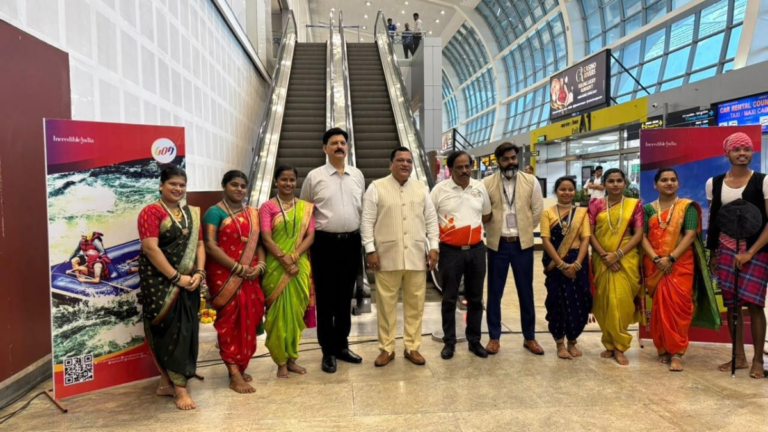
If you’re an economy traveller seeking a reliable room under ₹5,000, this massive expansion entirely excludes you. Based on the locations of their upcoming mega-projects, this rollout caters exclusively to corporate flyers and people stuck on layovers. While a New 78-room Ginger property opens near Jorhat airport shows the Tata Group subsidiary expanding its regional footprint, families must still check the fine print on location and child policies. You need to budget for premium pricing if you want the convenience of sleeping near the runway.
The real surprise is how closely the mid-scale brand’s pricing mirrors its luxury siblings. If you book a room right now at their flagship Mumbai Airport property, you’ll pay between ₹14,520 and ₹16,280 for a single night. Industry data reports this is nearly identical to the ₹15,200 company-wide Average Daily Rate that includes Taj palaces and upscale resorts.
The Unboxed Truth
Unbox Daily HQ audits the gap between what companies state and what you actually get. Indian Hotels Company Limited clearly wants Ginger Hotels to dominate the entire mid-scale conversation. Their aggressive construction pipeline proves they hold the resources to achieve this. But the reality is much harsher for budget consumers. The lean luxe label is simply corporate phrasing for charging five-star rates at high-traffic transit hubs.
Best for: Corporate business flyers and transit passengers with expense accounts.
Who Is This For: Travellers aged 25 to 50.
Courtesy: Indian Hotels Company Limited
Room rates at flagship Ginger Hotels locations in India range between ₹14,520 and ₹16,280 per night. This pricing applies to prime transit properties such as the Mumbai Airport location. Rates closely mirror the parent company’s average luxury daily tariff.
Ginger Hotels reached its 100th operational property milestone behind competitors like Lemon Tree Hotels, which crossed 110 operational locations in late 2025. While Ginger Hotels advertises a 250-hotel portfolio, 150 properties remain under development or awaiting brand migration. The chain focuses heavily on airport transit hubs.
Booking a stay is worth it exclusively for corporate flyers and layover passengers who require immediate airport proximity and have an expense account. It is not suitable for budget travellers seeking accommodations under ₹5,000 per night. The brand operates as a premium transit option rather than an economy chain.