Thursday, May 28, 2026 |Navi Mumbai
--:-- | --°C | AQI --
If it's not on Unbox Daily HQ, it's not a Launch. Every product, policy and brand launch in India. One hub. What's new?
Mukhyamantri Krishak Samriddhi Yojana slashes agricultural interest for landowners as a new cooperative platform challenges urban transport monopolies.
The Takeaway
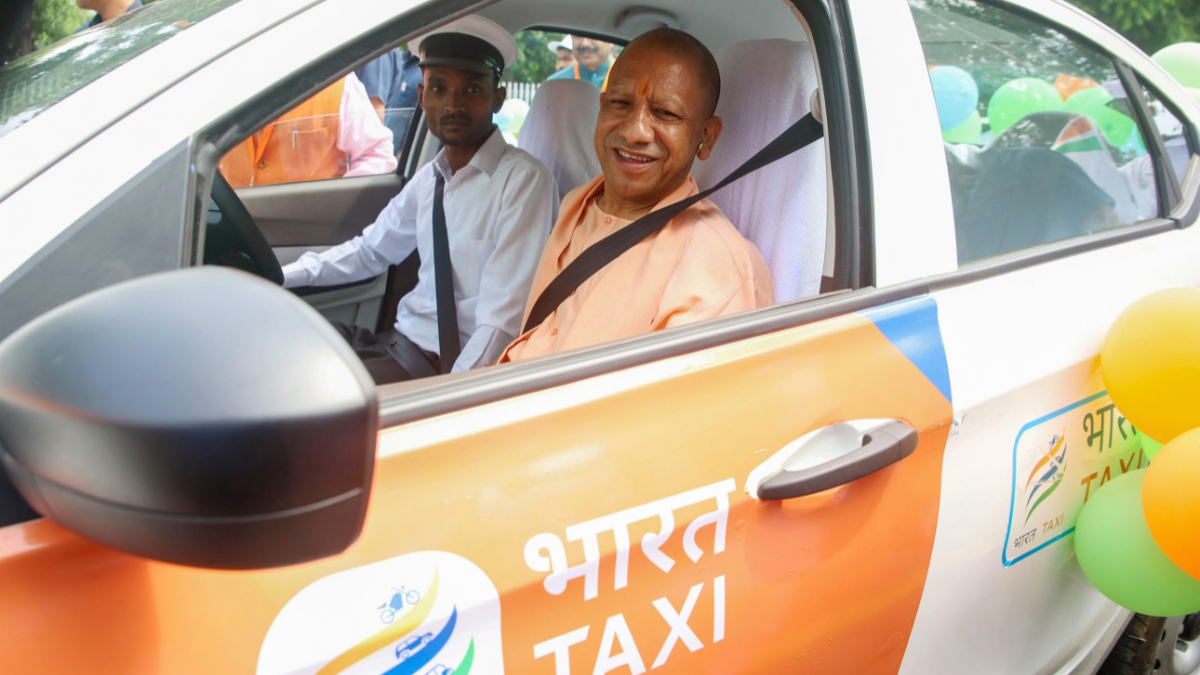
Bharat Taxi and Mukhyamantri Krishak Samriddhi Yojana represent two sides of a sprawling cooperative expansion activated on September 23. State officials want to move cooperative societies far beyond standard agricultural credit. You can already see this shift happening across five key districts including Lucknow and Varanasi.
On paper, the financial benefits look highly attractive. The agricultural portal offers long-term loans up to ₹6 lakh at a subsidised 6 percent annual interest rate. This marks a steep drop from the standard 11 percent rate historically charged by the 323 branches of the UP Sahkari Gram Vikas Bank. Small landowners can use these funds for minor irrigation or solar pumps. Meanwhile, the mobility cooperative completely removes surge pricing for daily commuters. Drivers operate under a zero-commission model instead of losing a fifth of their earnings to an algorithm.
However, these headline numbers hide severe operational limits. The farm credit scheme explicitly requires applicants to hold valid land titles for under two hectares in their own name. This rule completely locks out millions of tenant agricultural workers who actually farm the fields. A single past bank default results in automatic rejection. State funding strictly caps the agricultural rollout at 5 lakh beneficiaries against a fixed ₹384 crore budget. Meanwhile, the newly activated Urvarak Setu and UPCDC mobile apps operate exclusively as internal business trackers for government fertilizer data rather than everyday consumer utilities. The transport platform faces an equally stark reality check. The cooperative boasts 10 lakh registered drivers fulfilling only 20,000 trips daily. That maths leaves a typical driver securing a single trip every 50 days.
Breaking down the Mukhyamantri Krishak Samriddhi Yojana and Bharat Taxi economics
| Feature | Mukhyamantri Krishak Samriddhi Yojana | Bharat Taxi |
| Core Benefit | 6 percent interest on ₹6 lakh loan | 100 percent fare retention |
| Financial Catch | Capped at 5 lakh farmers total | ₹30 daily subscription fee |
| Strict Exclusions | Tenant farmers, past defaulters | Drivers needing high app volume |
| Reality Check | Requires land under 2 hectares | Averages one ride per 50 days |
Public policy often uses interest subvention as a standard lever to inject rural liquidity. The actual success of this credit push will depend entirely on the collateral demands enforced by local bank managers. In the mobility space, zero-commission platforms possess a known track record. Early attempts like Namma Yatri easily built massive driver fleets. They subsequently struggled to generate sustained passenger demand without heavy marketing budgets.
ⓘ Sponsored: Unbox Daily HQ earns a commission if you buy through these links, at no extra cost to you. Prices shown are subject to change, and the actual price on Amazon at the time of purchase may vary from what is displayed here.
This matters directly to small landowners needing immediate capital. Commuters also benefit by securing predictable airport transfers. A farmer holding 1.5 hectares with clean credit can easily secure a cheap loan for a new tractor. Drivers tired of surrendering a quarter of every fare can switch to a daily subscription. Neither scheme helps those operating on the absolute margins. Landless agricultural workers get nothing here. Full-time drivers who rely on an app to feed them constant trips will starve on current volume levels.
Read more: Expanded 24-coach Vande Bharat Sleeper trains head to production
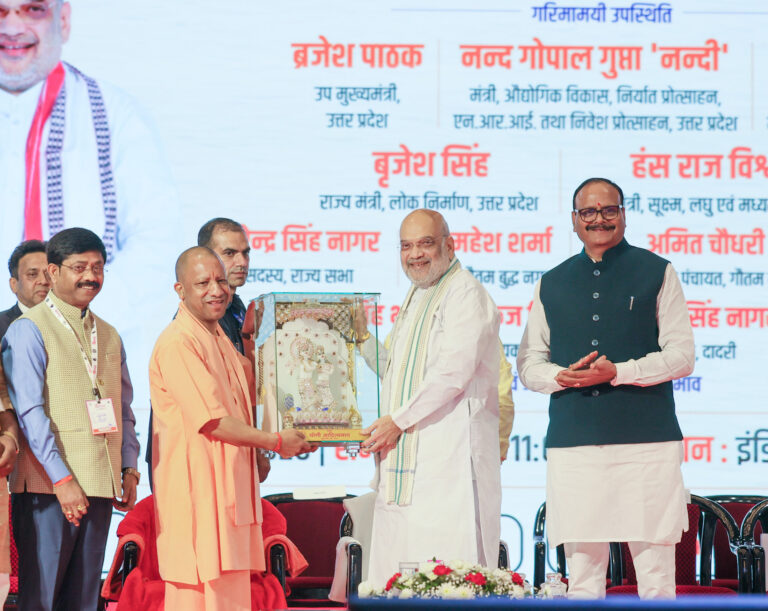
Despite being heavily promoted by state ministers at a high-profile public event, the mobility platform operates as an entirely independent cooperative entity rather than a government service.
The Unboxed Truth
The team at Unbox Daily HQ always tracks where the money actually stops. Mukhyamantri Krishak Samriddhi Yojana promises cheaper credit. Its strict land-ownership rules filter out the most vulnerable rural workers. Bharat Taxi sells the dream of driver ownership. A platform with 10 lakh drivers doing 20,000 daily trips is currently a ghost town. The technology apps simply digitise government supply chains rather than serving citizens. The implementation reality remains far narrower than the initial rhetoric.
Best for: Marginal farmers with clear land titles and part-time drivers seeking secondary income streams.
Who Is This For: Ages 25-50.
This article is for informational purposes only and does not constitute investment advice. Please consult a registered financial adviser before making any investment decisions.
Courtesy: Press Information Bureau
Bharat Taxi drivers pay a one-time joining contribution of ₹500 alongside a fixed daily subscription fee of ₹30. The platform operates on a zero-commission model, allowing drivers to retain 100 percent of their passenger fares. Operations are active in Uttar Pradesh across five key cities, including Lucknow, Gorakhpur, Varanasi, Kanpur, and Prayagraj.
Bharat Taxi adopts a zero-commission cooperative structure similar to early models like Namma Yatri to build large driver fleets. Both models struggle with passenger demand, leaving Bharat Taxi with an average of one completed trip per driver every 50 days. Drivers pay a daily flat fee rather than giving up a percentage of every fare.
The new rollout is best for marginal farmers with clear land titles and part-time drivers seeking secondary income streams. Mukhyamantri Krishak Samriddhi Yojana offers 6 percent loan rates to landowners owning under two hectares while excluding landless tenant farmers. Bharat Taxi benefits part-time drivers who prefer flat daily fees over high-volume ride-matching apps.