Thursday, May 28, 2026 |Navi Mumbai
--:-- | --°C | AQI --
If it's not on Unbox Daily HQ, it's not a Launch. Every product, policy and brand launch in India. One hub. What's new?
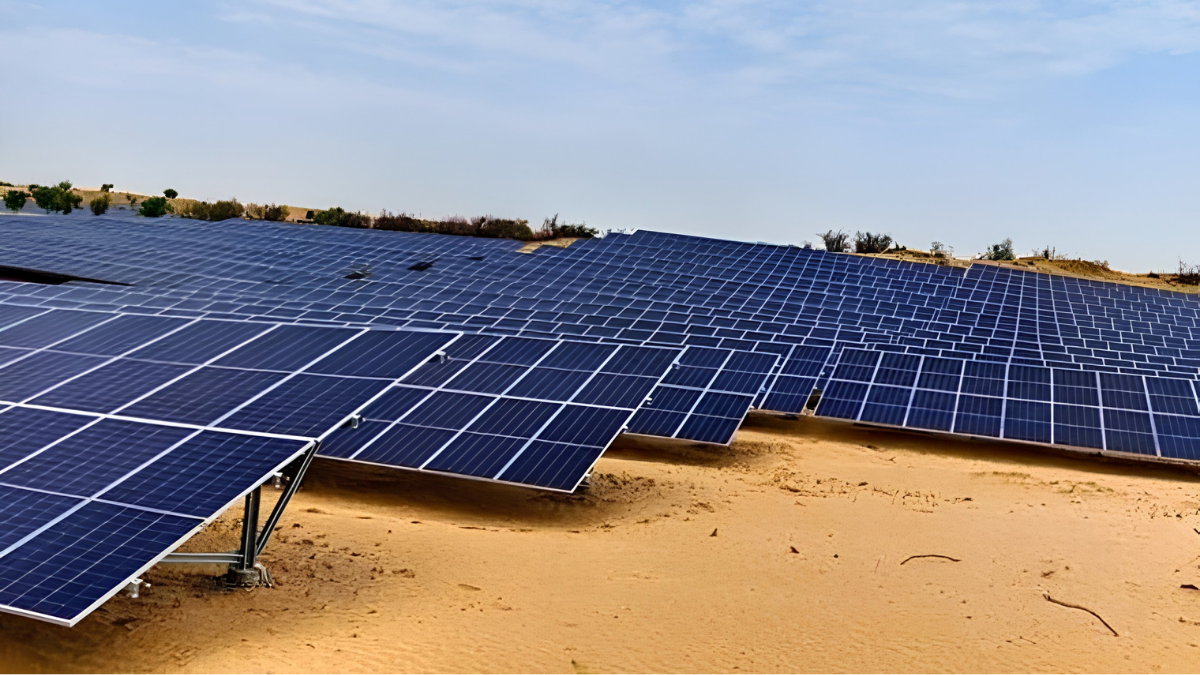
The bespoke Kalasar installation will produce 166 million units of clean electricity annually.
The Takeaway
Tata Power Renewable Energy Limited has officially transitioned its latest utility infrastructure into the active commercial phase. The generated power goes exclusively to Tata Steel Limited. This setup directly targets the massive electricity emissions inherent in heavy metal manufacturing. Desert construction demanded highly specialised engineering execution. On-site operators track the vast equipment base using advanced thermography. They also monitor string-level performance metrics to maintain maximum generation efficiency under extreme heat.
The genuine separator for this Kalasar captive solar project is its completely internal supply chain. Linking in-house component manufacturing directly to a large-scale industrial deployment is rare. Most heavy industries still rely heavily on fractured vendor networks or fragmented contracts.
Kalasar 72.5 MW captive solar project details
| Specification | Detail |
| Project Location | Kalasar, Bikaner |
| Dedicated Consumer | Tata Steel Limited |
| Current Operational Portfolio | 7 GW |
| Active Development Pipeline | 5.3 GW |
| Corporate Climate Goal | Net Zero emissions by 2045 |
Securing dedicated clean electricity without stressing conventional grid infrastructure provides a replicable blueprint for industrial decarbonisation across India. The parent conglomerate is also working to modernise the wider energy ecosystem. This includes bringing real-time data insights to distribution networks, such as when Tata Power partners with Databricks for an AI makeover. Scaling these massive off-grid corporate setups directly supports the national target of establishing 500 GW of non-fossil fuel capacity by 2030.
The Unboxed Truth
ⓘ Sponsored: Unbox Daily HQ earns a commission if you buy through these links, at no extra cost to you. Prices shown are subject to change, and the actual price on Amazon at the time of purchase may vary from what is displayed here.
You might assume a dedicated power facility only matters to the specific company using it. We look at infrastructure differently here at Unbox Daily HQ. The Kalasar 72.5 MW captive solar project proves heavy industry can actually decouple from dirty grid power right now. It shows exactly how a major manufacturer can build a self-sustaining energy loop using domestic parts, which matters because steelmaking remains notoriously difficult to clean up.
Best for: Manufacturing conglomerates mapping out their own heavy industrial decarbonisation strategies.
Who Is This For: 30 to 55-year-old sustainability executives and infrastructure planners.
Courtesy: Tata Power Renewable Energy Limited
The Kalasar 72.5 MW captive solar project is fully commissioned and operational in Bikaner, Rajasthan. All generated electricity supplies Tata Steel Limited exclusively through a dedicated subsidiary named TP Vardhman Surya Limited. This captive installation supports India’s broader target of reaching 500 GW non-fossil capacity.
The facility stands out by using a completely integrated internal supply chain rather than fractured vendor networks. It deploys 171,360 solar modules manufactured domestically by TP Solar Limited for on-site clean electricity generation. This closed setup establishes a practical blueprint for heavy industrial decarbonisation across India.
This project model is worthwhile because it proves heavy industry can successfully decouple from carbon-heavy grid power. It is best suited for sustainability executives and manufacturing conglomerates designing aggressive decarbonisation strategies. The installation directly avoids approximately 1,18,856 tonnes of carbon emissions annually in India.