Thursday, May 28, 2026 |Navi Mumbai
--:-- | --°C | AQI --
If it's not on Unbox Daily HQ, it's not a Launch. Every product, policy and brand launch in India. One hub. What's new?
SAI and Safdarjung Hospital will develop indigenous sports medicine protocols based on Indian body composition data.
The Essentials
The Pulse
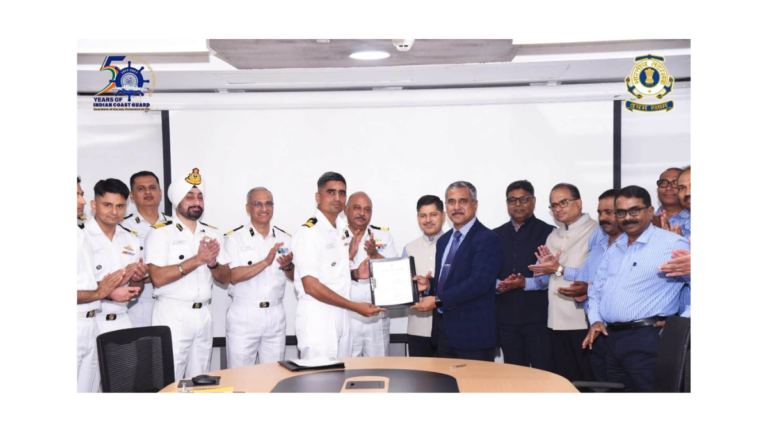
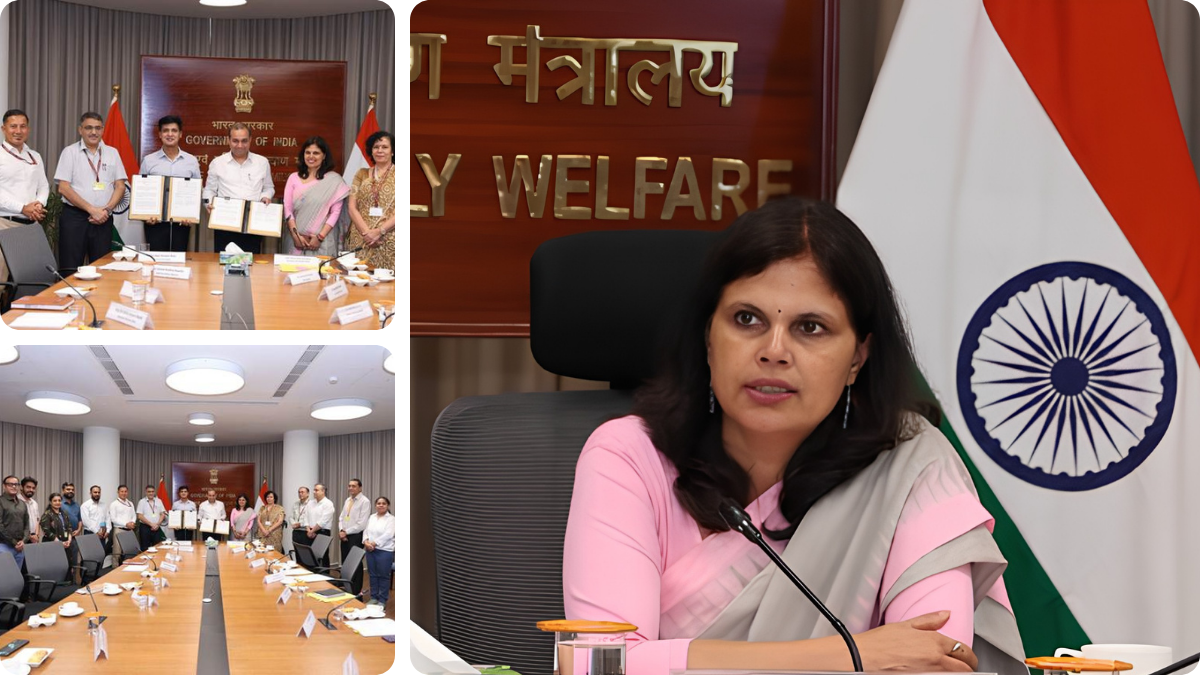
The Ministry of Health and Family Welfare has formally aligned with the Ministry of Youth Affairs and Sports to overhaul how the nation treats its competitive athletes. This agreement establishes a direct pipeline between the Sports Authority of India and the Sports Injury Centre at Safdarjung Hospital, fundamentally altering the healthcare infrastructure supporting sporting talent.
For years, the gap between training facilities and advanced medical care meant athletes often sought rehabilitation in isolation from their core training programmes. This agreement bridges that divide by positioning a premier medical institution as the default healthcare provider for the national sports apparatus.
The timing aligns with a broader national push to elevate performance at international sporting events. Rather than relying on fragmented private care, this institutional mechanism ensures competitors and their support staff have structured, long-term access to specialised sports science and injury management. This marks a deliberate shift from reactive medical treatment to proactive, career-spanning physical maintenance for those representing the country.
The Breakdown
ⓘ Sponsored: Unbox Daily HQ earns a commission if you buy through these links, at no extra cost to you. Prices shown are subject to change, and the actual price on Amazon at the time of purchase may vary from what is displayed here.
The operational framework extends beyond standard orthopaedic care in New Delhi. The initiative seeks to link regional sporting centres with nearby medical colleges to decentralise specialist access. Future expansion plans include integrating newer government medical institutes into the sports medicine network. Beyond physical injury management, the directive outlines pathways to engage specialised institutions like NIMHANS to address comprehensive athletic health requirements, including psychological support. The core objective remains the generation of specific scientific evidence to create localised protocols for diagnosis, arthroscopy, rehabilitation, and sports science, thereby replacing imported assessment tools with domestically researched clinical standards.
The Distinction
What makes this framework different is its explicit rejection of imported medical data. Historically, injury prevention and rehabilitation in India relied on American and European physiological benchmarks, which fail to account for the unique body composition and specific needs of Indian athletes. This partnership mandates the creation of indigenous, evidence-based treatment protocols. By combining the vast athlete network of the sporting authority with clinical capability, the focus moves from generic orthopaedic treatment to data-driven, culturally and biologically specific athletic care.
The Snapshot
| Specification | Detail |
| Initiative | SAI and SIC Healthcare MoU |
| Key Institutions | Sports Authority of India, Safdarjung Hospital |
| Primary Objective | Indigenous sports medicine protocols |
| Target Demographic | Indian athletes and support staff |
| Future Expansion | Medical colleges, newer AIIMS, and NIMHANS |
The Big Picture
Global sporting dominance demands integrated sports science, a domain where India has historically lagged behind nations like Australia and the United Kingdom. Elite Indian athletes frequently travel abroad for surgery and rehabilitation due to a domestic deficit in specialised sports medicine. By institutionalising the relationship between national sports bodies and premier government medical facilities, this agreement attempts to build a domestic framework capable of sustaining high-performance athletes without the prohibitive costs of international medical dependency. The move aims to retain peak athletic talent within the domestic medical infrastructure.
The India Prospective
For aspiring professionals training at regional centres, this development promises a fundamental upgrade in baseline care. The plan to link local facilities with nearby medical colleges means young athletes in smaller cities might soon access the kind of preventative screening and scientific rehabilitation previously reserved for elite national squads in the capital. It democratises high-performance physical maintenance across the Indian sporting landscape.
The Inside Intel
The most critical admission driving this partnership is the acknowledgement by the Department of Sports that current physical assessment tools fail Indian athletes. A significant portion of existing sports medicine protocols rely entirely on Western physiological data, making them mathematically flawed when applied to the unique body composition and bone density of South Asian competitors.
The Unboxed Truth
Unbox Daily HQ views this as the most necessary structural reform in Indian sports administration this decade, not because of the institutional names involved, but because it finally addresses the biological reality of our athletes. This framework is explicitly for the 19-year-old weightlifter training at a regional facility who previously faced career-ending delays for minor tissue tears. By mandating indigenous research, the government acknowledges that treating an Indian wrestler using data mapped from American football players yields suboptimal recovery.
A young competitor currently paying thousands out of pocket for private physiotherapy will now fall under a state-backed umbrella that prioritises preventative biomechanics over post-injury surgery. The integration of mental health support via specialised national institutes is the decisive factor that elevates this from a standard medical agreement to a comprehensive performance strategy.
Best for: A young regional athlete relying on state sports facilities who needs long-term injury prevention strategies tailored to their specific body type.
Who Is This For: Perfect for 16 to 28-year-old competitive athletes in domestic training camps who need access to elite, data-driven medical care without relying on fragmented private clinics.
The Checkout
Ministry of Health and Family Welfare
The Source
Ministry of Health and Family Welfare | PIB.GOV
The Query
The SAI and SIC healthcare network is active at the Sports Injury Centre in New Delhi following the agreement signed on 10 July 2026. The programme will expand across India by linking regional centres with local medical colleges and newer AIIMS institutions. This framework provides state-backed medical care exclusively to registered athletes and support staff.
The new protocols use indigenous scientific evidence based on Indian body composition and physiology instead of imported American or Western data. This targeted approach ensures that diagnosis, arthroscopy, and rehabilitation match the specific physical traits of local competitors. The shift addresses a long-standing deficit that previously forced elite domestic athletes to seek treatment in the United Kingdom or Australia.
Yes, Unbox Daily HQ considers this a necessary administrative reform that removes out-of-pocket private physiotherapy expenses for competitive domestic athletes. It provides immense practical value specifically for 16 to 28-year-old sportspeople training at regional camps. The integration of preventative biomechanics and psychological support through national institutes ensures a comprehensive, state-backed performance and recovery strategy.