Thursday, May 28, 2026 |Navi Mumbai
--:-- | --°C | AQI --
If it's not on Unbox Daily HQ, it's not a Launch. Every product, policy and brand launch in India. One hub. What's new?
The DoT will cover up to 98 percent of global membership fees and offer ₹5 lakh in travel aid for tech startups.
The Essentials
The Pulse
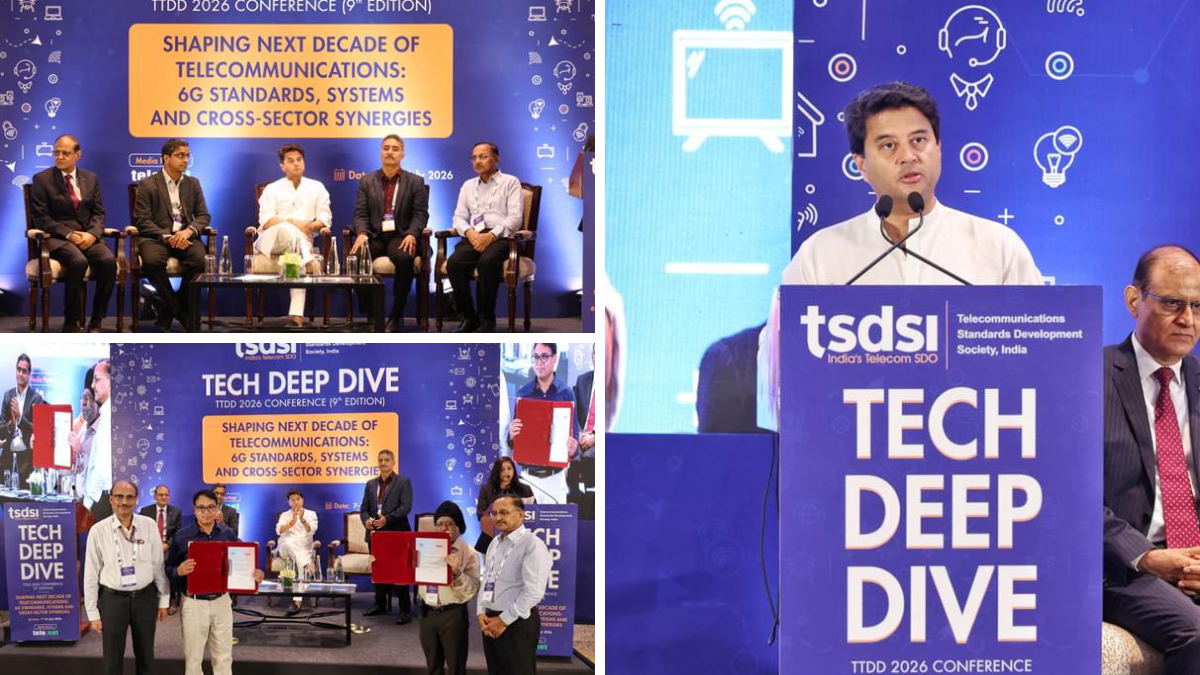
The DoT’s partnership with TSDSI marks a calculated move to position India within the foundational layers of global communication networks. Historically, Indian participation at bodies like the 3GPP remained limited to major telcos or government representatives, leaving smaller innovators priced out of the conversation.
This initiative aligns directly with the Bharat 6G Mission, shifting the national strategy from functioning as a massive consumer market to serving as an active developmental hub. By removing the high financial barrier to entry, the framework ensures that smaller Indian innovators can present their research on an international stage.
The focus remains on establishing Indian technical contributions as permanent fixtures in future network architectures, ensuring the next phase of global connectivity includes Indian intellectual property from the ground up.
The Breakdown
ⓘ Sponsored: Unbox Daily HQ earns a commission if you buy through these links, at no extra cost to you. Prices shown are subject to change, and the actual price on Amazon at the time of purchase may vary from what is displayed here.
The scheme operates on a ₹203 crore outlay active from 2026 to 2031. DPIIT-recognised startups and MSMEs with an annual turnover under ₹10 crore receive up to 98 percent financial support for TSDSI membership fees. Mid-sized MSMEs scaling between ₹10 crore and ₹500 crore qualify for an 80 percent subsidy. For international standardisation meetings, the government covers 80 percent of eligible travel expenditures, capped at ₹5 lakh per person per trip. The framework also extends support for individual membership fees in the 3GPP and funds the hosting of international standardisation meetings on Indian soil.
The Distinction
The primary differentiator of the TDIP scheme is its structural shift from funding end-product manufacturing to funding intellectual property creation. Competing government initiatives typically subsidise hardware production or domestic network rollout. This framework introduces direct financial support for Indian entities to sit at the table at international bodies like the ITU, draft technical documents, and embed indigenous technology into global telecommunications standards before those standards are finalised.
The Snapshot
| Specification | Detail |
| Scheme Name | Technology Development and Investment Promotion (TDIP) |
| Total Outlay | ₹203 crore |
| Active Period | 2026 to 2031 |
| Startup Fee Subsidy | Up to 98 percent (for turnover up to ₹10 crore) |
| MSME Fee Subsidy | Up to 80 percent (for turnover ₹10 crore to ₹500 crore) |
| Travel Assistance | Up to 80 percent of expenses (capped at ₹5 lakh per person) |
| Target Global Bodies | 3GPP, ITU, oneM2M |
The Big Picture
Global telecom standards are heavily influenced by a concentrated group of North American, European, and East Asian technology conglomerates who hold thousands of essential patents. When a local firm cannot afford to attend standard-setting meetings, they lose the opportunity to submit their own patents into the standard, forcing them to pay licensing fees later. This initiative attempts to break that monopolistic loop by putting Indian researchers in the room.
The India Prospective
For engineers and founders in Bengaluru or Hyderabad, this alters the operational math of running a deep-tech telecom startup. Securing a seat at a 3GPP meeting typically burns through limited early-stage capital. By absorbing travel and membership costs, this policy allows Indian hardware and software developers to redirect their funding toward actual research and development rather than administrative access fees.
The Inside Intel
To formally shape a global telecom standard, a company must submit an accepted Technical Contribution, known internally as a TDoc. This scheme specifically ties its travel funding to encouraging the submission of these Indian TDocs into global standards bodies.
The Unboxed Truth
Unbox Daily HQ considers this a highly pragmatic policy intervention that targets the exact bottleneck preventing Indian intellectual property from scaling globally.
This is not for general software developers or IT service firms. It serves deep-tech founders, telecom researchers, and MSME leaders who are building hardware, signal processing algorithms, or network protocols.
For a startup with a ₹5 crore turnover, saving several lakhs on international memberships and travel equals the cost of hiring an additional senior researcher for a year. That is a tangible, operational advantage. The one thing that makes this initiative genuinely valuable is its focus on the procedural reality of global tech, you cannot write the rules if you cannot afford the flight to the meeting.
Best for: Deep-tech founders and telecom MSME leaders who need financial support to present indigenous research at global standards meetings
Who Is This For: Perfect for 28 to 55-year-old founders, technical directors, and telecom engineers in India who are developing proprietary network technologies and seeking international patent integration
The Checkout
Department of Telecommunications TDIP Scheme
The Source
Ministry of Communications | PIB.GOV
The Query
The TDIP scheme provides a total financial outlay of ₹203 crore for the 2026 to 2031 period. Eligible Indian startups receive up to 98 percent subsidy on membership fees, while travel support covers up to 80 percent of expenses capped at ₹5 lakh per person. This framework is fully active across India.
Unlike standard government initiatives that fund hardware production or domestic network rollouts, this scheme funds intellectual property creation. It specifically subsidises the cost for Indian entities to join international bodies and draft global telecom standards. This shifts India from a technology consumer to an active development hub.
This scheme is specifically for deep-tech founders, telecom researchers, and MSME leaders building hardware or network protocols in India. It offers immense value by absorbing international travel and membership fees, saving early-stage capital. This financial support lets startups focus funding on research rather than administrative access fees.