Thursday, May 28, 2026 |Navi Mumbai
--:-- | --°C | AQI --
If it's not on Unbox Daily HQ, it's not a Launch. Every product, policy and brand launch in India. One hub. What's new?
The new phone guarantees six generations of software updates alongside an IP64 rating for daily durability.
The Essentials
The Pulse
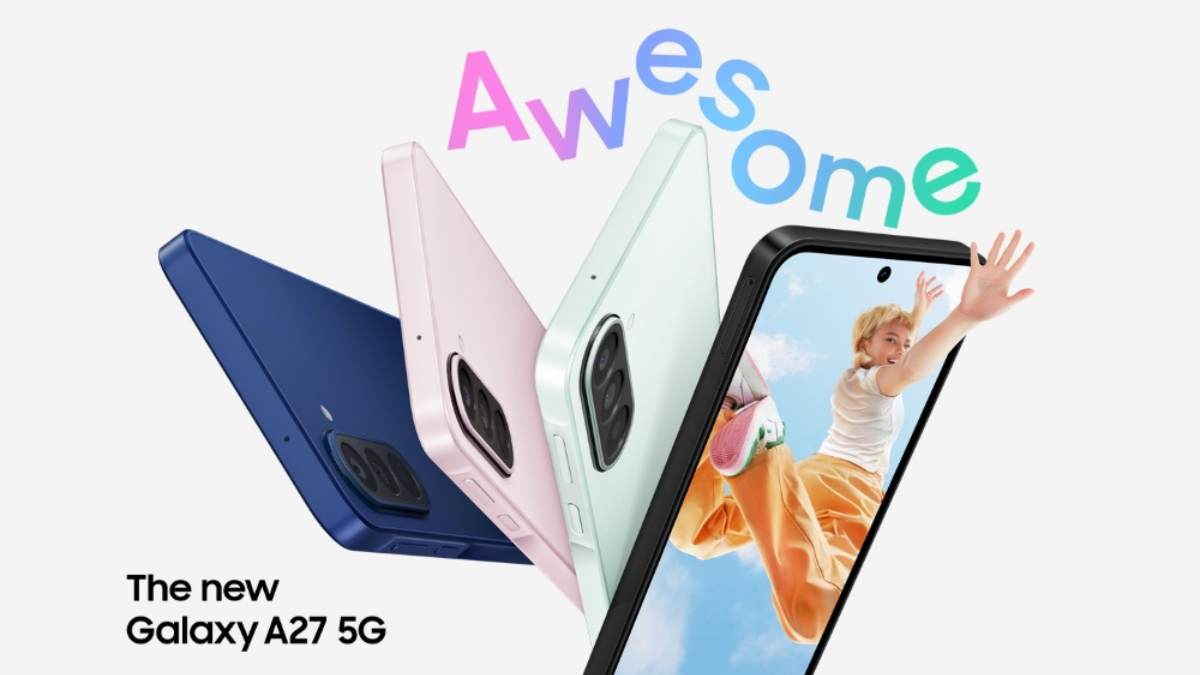
Samsung brings flagship-level software longevity to its mid-tier line with the Galaxy A27 5G, promising six generations of Android version updates. That single commitment changes the equation for anyone tired of replacing their device every two years because of outdated security. It runs on the Snapdragon 6 Gen 3 platform, ensuring the hardware can actually keep pace with that long-term support.
The device arrives in India and global markets on July 3. It integrates machine learning tools previously reserved for expensive models, making utilities like Google Gemini and Perplexity native to the daily experience. If you wonder how it handles multitasking, the upgraded graphics processor and high-speed memory are explicitly tuned to prevent stuttering during intense streaming sessions.
The 5000 mAh battery charges at 25 W, providing enough stamina to easily clear a full day of heavy use. A slimmer 7.8 mm profile and smaller bezels make the large display more manageable during a crowded commute. It is a calculated move to offer genuine longevity without requiring a premium budget.
The Snapshot
ⓘ Sponsored: Unbox Daily HQ earns a commission if you buy through these links, at no extra cost to you. Prices shown are subject to change, and the actual price on Amazon at the time of purchase may vary from what is displayed here.
| Feature | Details |
| Display | 6.7-inch FHD+ Super AMOLED, up to 120 Hz |
| Processor | Snapdragon 6 Gen 3 (4nm) Octa-Core |
| Dimensions & Weight | 162.4 x 78.2 x 7.8 mm, 200 g |
| Rear Camera | 50MP OIS Wide, 5MP Ultra-Wide, 2MP Macro |
| Front Camera | 12MP |
| Memory & Storage | 6GB or 8GB RAM / 128GB or 256GB (MicroSD up to 2 TB) |
| Battery | 5000 mAh, 25 W Fast Charging |
| Operating System | Android 16, One UI 8.5 |
| Security | Samsung Knox Vault |
| Durability | IP64 water and dust resistance |
| India Price | Approximately ₹22,000 to ₹33,000 ($349 global) |
| Availability | July 3 |
The Big Picture
The mid-range smartphone segment traditionally forces buyers to choose between competitive hardware and software longevity. Brands like OnePlus and Motorola dominate the sub-₹30,000 space in India by offering fast charging and aggressive chipsets, but they rarely match the extended software support of premium models. By trickling down six years of security patches and hardware-backed Knox Vault protection to the A-series, Samsung shifts the focus. It is no longer just about which handset has the fastest benchmark scores today, but which one remains functional at the end of the decade.
The India Prospective
The inclusion of a certified IP64 dust and water resistance rating directly addresses the realities of a dusty Mumbai or Bengaluru commute, protecting the internal hardware from unexpected monsoon splashes. Furthermore, the built-in voice recorder translates conversations across 22 languages as it transcribes. This provides immediate utility for professionals navigating multilingual Indian business environments, ensuring clear meeting notes without relying on external third-party subscriptions.
The Inside Intel
The standout technical detail is the choice to ship the hardware with Android 16 and One UI 8.5 out of the box. Most mid-tier options arriving in the middle of the calendar year debut with older software versions and merely promise an upgrade down the line. Because this device begins its life cycle on the latest platform, those six generations of guaranteed updates will carry this specific handset all the way to Android 22.
The Unboxed Truth
Unbox Daily HQ considers this a device to track closely if you prefer holding onto your technology for several years. The combination of a Snapdragon 6 Gen 3 chip, Google Gemini integration, and an exceptionally long support window makes it a highly practical option for anyone who dislikes the hassle of frequent upgrades. With an expected starting price around ₹22,000, it competes directly with performance-heavy rivals by offering unmatched reliability instead. Worth tracking for buyers who value software endurance over raw processing speeds. Ultimately, it represents the most sensible long-term mid-range option previewed this season.
Best for: The practical professional who wants reliable daily performance and long-term security without paying a flagship premium
Who Is This For: Perfect for 26 to 42-year-old hybrid workers in urban areas who use their devices primarily for daily business communication and want hardware that lasts four or more years
The Checkout
Samsung Galaxy A Series – India Page
The Source
Samsung India
The Query
The Samsung Galaxy A27 5G launches in India on 3rd July 2026 with an expected price of approximately ₹22,000 to ₹33,000. This mid-tier device offers a 6.7-inch Super AMOLED display and a 5000 mAh battery. It provides an affordable entry point for long-term software support.
The Samsung Galaxy A27 5G differentiates itself by offering six generations of Android OS upgrades and six years of security patches. Unlike OnePlus and Motorola rivals in the sub-₹30,000 segment that focus on raw speeds, this device prioritises software longevity. It also includes hardware-backed Knox Vault protection.
The Samsung Galaxy A27 5G is a highly practical device worth tracking for anyone wanting long-term hardware reliability. For an expected starting price around ₹22,000, its six-year software update runway and native Google Gemini tools provide excellent value. It is ideal for hybrid workers prioritising software endurance over benchmark scores.