Thursday, May 28, 2026 |Navi Mumbai
--:-- | --°C | AQI --
If it's not on Unbox Daily HQ, it's not a Launch. Every product, policy and brand launch in India. One hub. What's new?
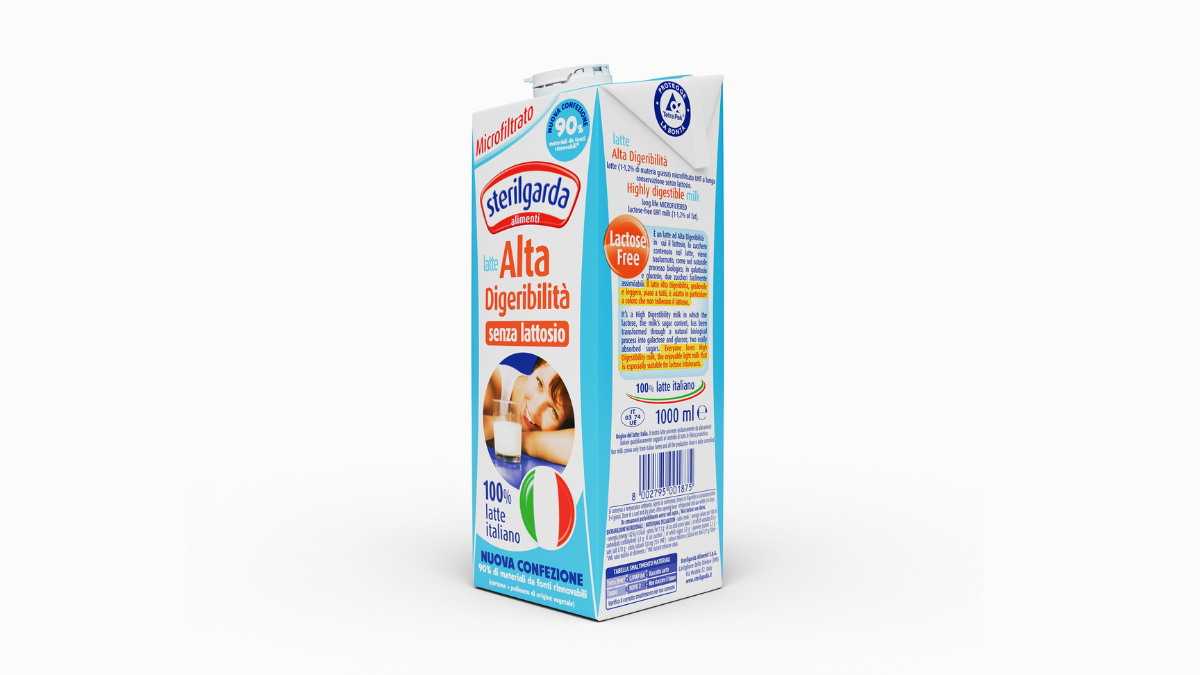
Tetra Pak replaces aluminium with paper in 1-litre cartons to reach 90% renewable material content.
The Essentials
The Pulse
The shift to paper-based barriers is a direct hit to the most problematic part of the modern juice box: the aluminium foil. While that thin layer of metal keeps your milk fresh on a shelf for months, it also makes the carton significantly harder to process at recycling centres. By moving to a structure that relies primarily on paper and polymers, Tetra Pak is simplifying the material recovery process from the ground up.
Currently, this 1-litre format is appearing first in Europe through the Italian dairy brand Sterilgarda Alimenti. There is no confirmed date for when these specific paper-barrier cartons will land on Indian supermarket shelves, but the technology is already being scaled for high-speed production lines globally.
The reduction in carbon footprint is not just a vague claim; it has been verified at 50% by the Carbon Trust. For a country like India, where waste management infrastructure varies by city, a package that is predominantly paper is far more likely to actually get recycled than one containing bonded metal layers. It is a practical answer to the growing pressure on food companies to clean up their supply chains.
The Snapshot
ⓘ Sponsored: Unbox Daily HQ earns a commission if you buy through these links, at no extra cost to you. Prices shown are subject to change, and the actual price on Amazon at the time of purchase may vary from what is displayed here.
| Row | Detail |
| Product | Tetra Brik Aseptic 1000 Edge (Paper Barrier) |
| Brand | Tetra Pak & Sterilgarda Alimenti |
| Renewable Content | 90% |
| Carbon Reduction | 50% (Verified by Carbon Trust) |
| Material Structure | Paper and polymers |
| Global Launch | 2024 (1-litre format) |
| India Price | Price not yet confirmed |
| Availability | Global: Available – India: Not yet confirmed |
The Big Picture
Sustainable packaging in India is moving away from simple plastic bans towards sophisticated material science. We are seeing brands like Mother Dairy and Amul experiment with glass and biodegradable plastics, but the aseptic carton remains the primary choice for long-life distribution. If Tetra Pak scales this paper-barrier technology here, it could set a new benchmark for the local dairy industry. The goal is to move the needle from theoretical recyclability to actual material recovery by removing the metallic complexities that stall Indian sorting facilities.
The Inside Intel
Tetra Pak is putting significant capital behind this shift, investing approximately €100 million (approximately ₹9,000,000,000) every year until 2030 for packaging development. A large portion of this funding supported a €60 million pilot plant in Lund, Sweden. This facility is solely dedicated to testing how paper can behave like metal, ensuring your milk stays fresh without the environmental cost of aluminium mining and smelting.
The UDHQ. Take
Unbox Daily HQ. see this as a win for anyone who feels a twinge of guilt every time, they bin a carton knowing how hard they are to recycle. While we wait for an India-specific rollout, this technology proves that shelf-stable milk does not have to rely on a layer of metal. If and when this reaches India, expect pricing to remain competitive as the simplified material structure offsets the research costs, worth tracking for eco-conscious households. It is a rare case where the invisible technology inside the box is more important than what is being poured out of it. Skip the guilt and track the tech.
Best for: Conscious consumers who prefer long-life milk but worry about the recycling limitations of multi-layered packaging.
Who Is This For: Perfect for 25 to 45 year old urban dwellers in India who prioritise sustainable waste management in their daily grocery habits.
The Checkout
The Source
Tetra Pak Global
This specific 1-litre format has been launched in Europe, but a confirmed date for the Indian market has not yet been announced. Because it is not yet locally available, there is no confirmed price for products using this packaging in India.
By swapping aluminium foil for paper, the carton increases its renewable content to 90% and cuts its carbon footprint by 50%. The simplified structure of paper and polymers makes it much easier for recycling centres to recover materials compared to traditional bonded metal layers.
This packaging is worth tracking for anyone looking to make more sustainable grocery choices without sacrificing product freshness. It offers a practical solution to recycling challenges in India by moving away from complex multi-layered materials that are difficult to sort.