Thursday, May 28, 2026 |Navi Mumbai
--:-- | --°C | AQI --
If it's not on Unbox Daily HQ, it's not a Launch. Every product, policy and brand launch in India. One hub. What's new?
The Health Ministry is rolling out digital tracking and targeted district interventions to drive down mortality rates.
The Essentials
The Pulse
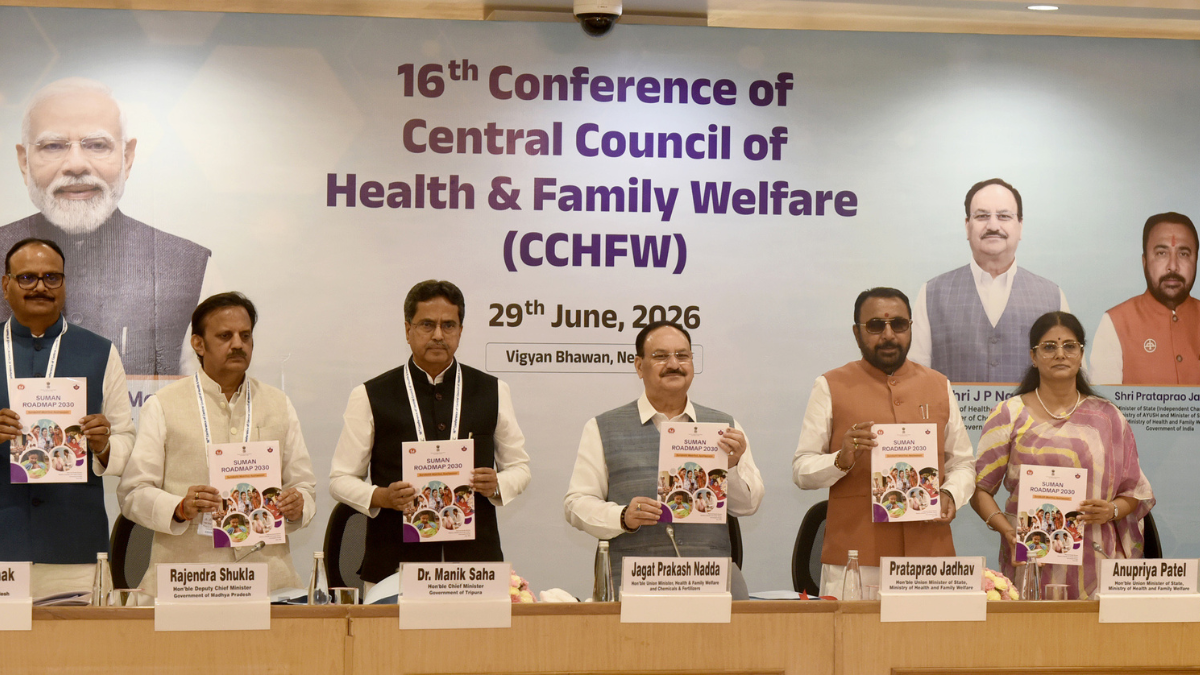
The Ministry of Health and Family Welfare is standardising how maternal and infant care operates across India, replacing fragmented programmes with a single continuum of care. The newly introduced SUMAN Roadmap 2030 targets a reduction in the Maternal Mortality Ratio to below 70 per 100,000 live births. It directs concentrated resources across 130 high-focus districts in 13 states where mortality numbers remain stubbornly high.
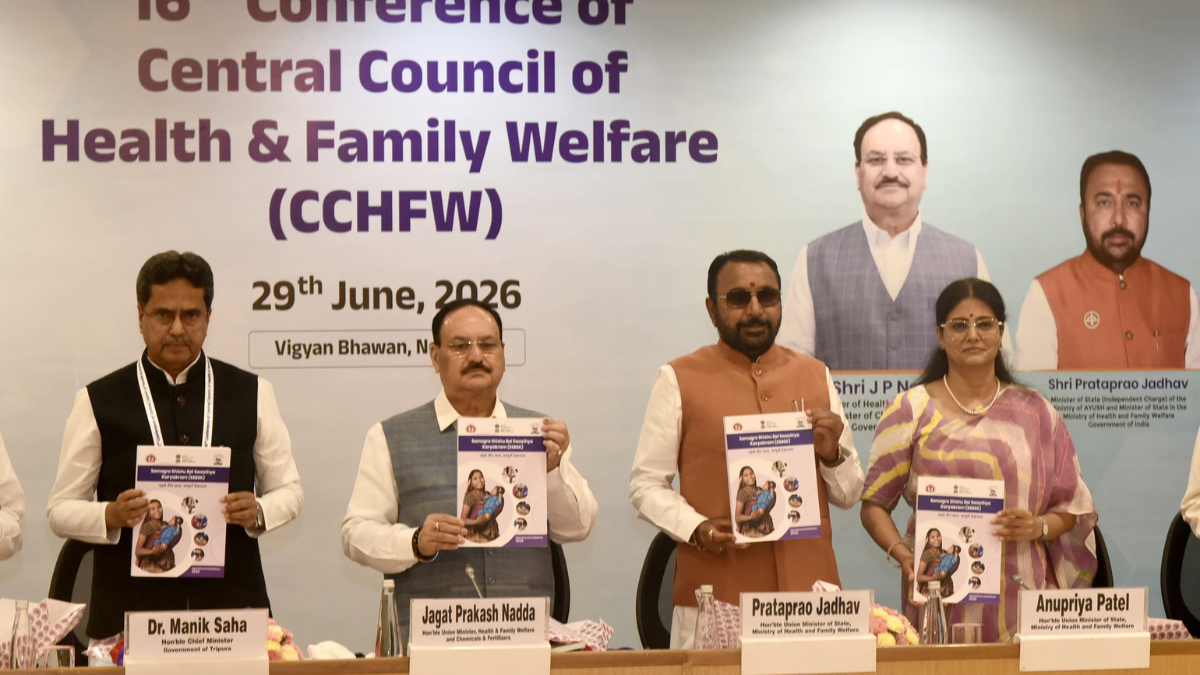
Simultaneously, the Samagra Shishu Bal Swasthya Karyakram merges existing home care plans to cover children from birth to 36 months.
For an Indian family living in an underserved area, what does the SUMAN Roadmap 2030 actually provide?
It ensures pregnant women receive bi-weekly home visits during their eighth and ninth months, financial support for designated caregivers, and priority referral transport for emergencies.
ⓘ Sponsored: Unbox Daily HQ earns a commission if you buy through these links, at no extra cost to you. Prices shown are subject to change, and the actual price on Amazon at the time of purchase may vary from what is displayed here.
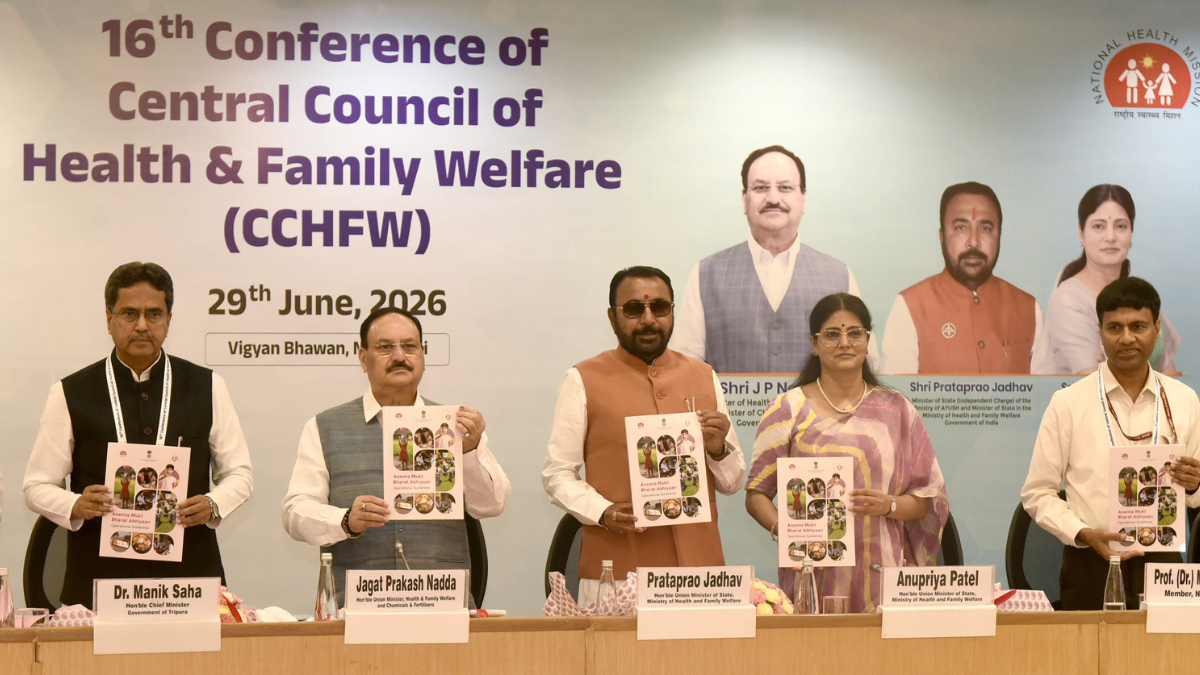
The Anaemia Mukt Bharat Abhiyaan guidelines also shift the approach from basic prevention to active therapy. Low birth weight babies now fall under direct tracking, and treatment for severe anaemia involves intravenous iron therapy. These three initiatives connect through unified digital tracking systems like the JANANI and U-WIN portals, ensuring medical workers follow every case rather than just distributing supplements.
The Snapshot
| Metric | Details |
| Programme Focus | Maternal, newborn, and child healthcare |
| Key Target (2030) | MMR below 70 per 100,000 live births |
| Focus Geography | 130 districts across 13 states |
| Infant Care Window | Birth to 36 months (SSBSK) |
| At-Risk Newborn Visits | Up to nine visits in the first 42 days |
| Anaemia Strategy | Test, Treat, Talk, and Track (T4) |
| New Anaemia Category | Low Birth Weight babies (0-6 months) |
The Big Picture
India’s public health apparatus has historically treated maternal care, child development, and nutrition as separate operational silos. While previous iterations of the National Health Mission improved institutional delivery rates, postnatal care often fractured once mothers returned home. This tripartite update changes the architecture entirely. By forcing the JANANI and POSHAN digital trackers to communicate through ABHA IDs, the government is building an unbroken data chain. It transitions the healthcare strategy from passive prophylactic distribution, like handing out iron tablets to active therapeutic management and strict digital accountability for high-risk cases.
The India Prospective
For working professionals in Indian metros, this update directly affects the support staff, domestic workers, and extended family relying on public healthcare. The standardisation of urban slum and migrant settlement care means better baseline health for the broader community. Furthermore, the inclusion of postpartum mental health screening at the community level introduces psychological support into mainstream Indian public health, an area entirely ignored in older frameworks.
The Inside Intel
The new SSBSK guidelines officially recognise excessive screen exposure and reduced physical interaction during early childhood as direct medical risks to infant brain development. By integrating age-appropriate play and mental stimulation counselling directly into standard home health visits, the government is treating modern digital habits as a critical public health metric alongside traditional markers like low birth weight and malnutrition.
The Unboxed Truth
Unbox Daily HQ considers this a highly structured, data-driven upgrade to India’s public health infrastructure, not just because of the ambitious targets, but because it finally connects isolated health portals into one tracking system. The shift from simply handing out supplements to mandatory tracking and clinical treatment addresses the exact gaps where previous interventions failed. For those managing community health or employing individuals who rely on these government services, this ensures a higher, more reliable standard of care for their families.
Best for: Community health advocates, policymakers, and civic-minded individuals who want to understand the evolving standards of Indian public healthcare.
Who Is This For: Perfect for 28 to 50-year-old professionals in urban centres who monitor policy shifts, or those seeking better public health resources for their domestic employees and extended rural families.
The Checkout
Ministry of Health and Family Welfare
The Source
Ministry of Health and Family Welfare | PIB.GOV
The Query
The SUMAN Roadmap 2030 is available across all Indian states and Union Territories as a free public health initiative. It deploys focused, time-bound interventions across 130 specific districts within 13 high-focus states. This national framework requires no consumer fees and is fully integrated into public health facilities.
The 7x7x7 framework expands the older 6x6x6 strategy by adding a seventh beneficiary group, a seventh clinical intervention, and a seventh digital mechanism. It introduces low birth weight babies under early tracking and implements an “Eating Right” nutritional initiative. The update shifts public management from passive prevention to active therapeutic care.
Unbox Daily HQ recommends this free programme for families with children under three years old, particularly those managing community health or employing domestic workers relying on public healthcare. It provides immense value by guaranteeing up to nine early home visits for at-risk newborns. This infrastructure ensures an unbroken standard of child development care at zero personal cost.