Thursday, May 28, 2026 |Navi Mumbai
--:-- | --°C | AQI --
If it's not on Unbox Daily HQ, it's not a Launch. Every product, policy and brand launch in India. One hub. What's new?
A two-day national event outlines new digital commerce routes and reported subsidy increases for local food businesses.
The Takeaway
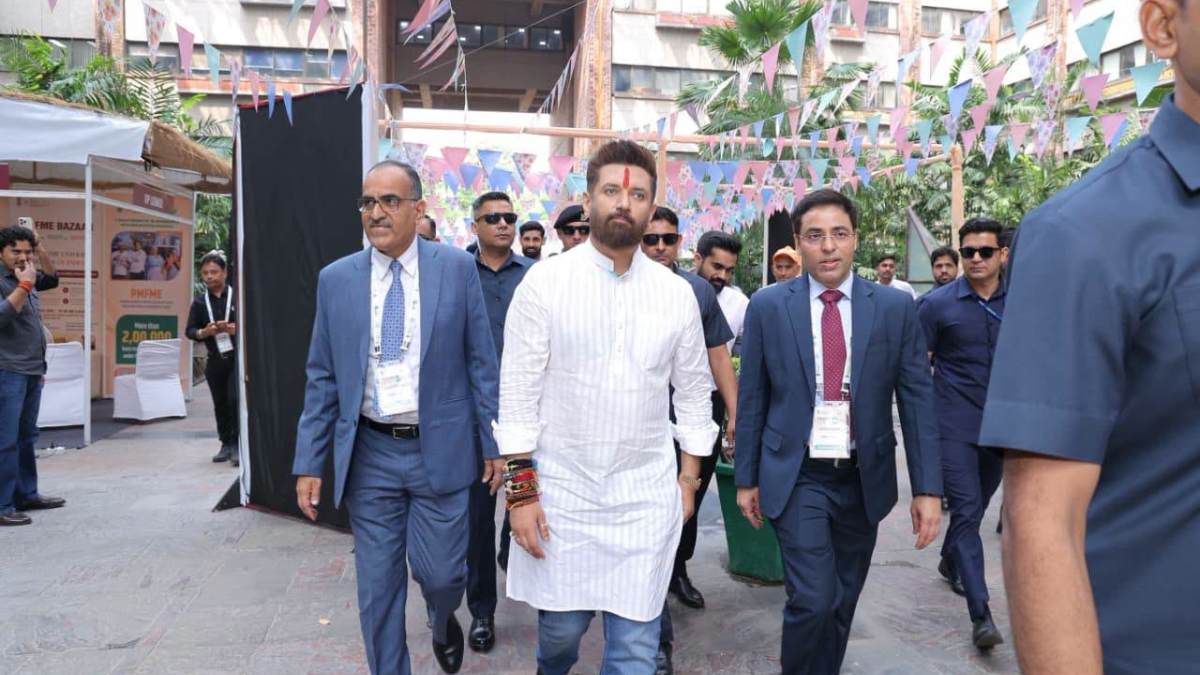
Ministry of Food Processing Industries is hosting this major two-day policy gathering at the India Habitat Centre. Minister Chirag Paswan officially inaugurated the event. The parallel PMFME Bazaar showcases regional goods from 25 participating states. Government officials also released a new success story book and a quarterly magazine to track ongoing innovations within the sector.
The active policy framework provides financial assistance capped at a Rs 10 lakh credit-linked subsidy for each unit. This capital helps entrepreneurs scale smaller setups into commercially viable businesses. Policymakers recently hit an important milestone by formally sanctioning two lakh processing facilities nationwide. These approved units belong to cooperatives, individual owners, Farmer Producer Organisations, and Self Help Groups. Reports suggest the upcoming framework extension will heavily prioritise women entrepreneurs and operators located in hilly regions.
Direct digital retail access separates this upcoming PMFME 2.0 push from standard government funding programs. Traditional food makers can now list items online without relying on conventional distribution channels. The formal Open Network for Digital Commerce integration shifts the focus from simple local production directly toward institutional procurement and export markets.
PMFME scheme timeline and details
| Feature | Detail |
| Conclave schedule | August 24 to 25, 2026 |
| Current unit funding limit | Rs 10 lakh |
| Existing mandate expiry | September 30, 2026 |
| Reported policy extension | Five years |
India requires strong domestic supply chains to support its vast agricultural output. Recent developments, such as how a Local hybrid seed ends foreign popcorn maize reliance, highlight the importance of grassroots self-sufficiency. Connecting rural producers directly to national retail networks builds a more resilient economy. The current program temporarily expires in late 2026. A formal government notification regarding the comprehensive PMFME 2.0 rollout is expected imminently.
ⓘ Sponsored: Unbox Daily HQ earns a commission if you buy through these links, at no extra cost to you. Prices shown are subject to change, and the actual price on Amazon at the time of purchase may vary from what is displayed here.
The Unboxed Truth
Unbox Daily HQ views the PMFME scheme evolution as a vital tool for rural business owners. You get a concrete path to sell local goods nationally without needing a massive distribution budget. Moving beyond basic subsidies into formal digital retail integration fixes the actual bottleneck of market access. The reported policy extension to 2031 provides the long-term stability cooperatives need to confidently plan their growth.
Best for: Rural entrepreneurs seeking institutional retail access.
Who Is This For: 25 to 50-year-old small business owners and cooperative members.
Courtesy: Ministry of Food Processing Industries
The PMFME scheme provides a credit-linked subsidy capped at Rs 10 lakh for each processing unit. This capital assists individual entrepreneurs, Self Help Groups, and cooperatives in upgrading their facilities. The existing funding mandate is active across India until September 30, 2026.
The PMFME 2.0 framework directly integrates grassroots food producers into the Open Network for Digital Commerce. This digital commerce linkage enables rural micro-enterprises to bypass conventional distribution channels and supply institutional buyers. It shifts focus from simple financial aid towards brand building and export opportunities.
The PMFME scheme is highly worthwhile for rural entrepreneurs seeking national retail reach without heavy distribution costs. It provides essential institutional backing and funding to help small businesses scale operations effectively. This initiative is best suited for small business owners and cooperative members aged 25 to 50 years.